What just changed in the market
When mortgage rates move or a major lender or forecaster makes news, the question is the same: what does this mean for sellers right now? Our editorial team translates the news into action.
Prices rose in September, but only 6 in 10 homes find a buyer
On 21 September 2026 Rightmove reported that average asking prices rose 0.7% to £367,440, the first monthly rise since May. The catch is the competition: the number of homes for sale is at a 12-year high for the time of year, and on average only 61% of homes that come to market find a buyer.
Basildon's 2021 buyers are up £52,800 as their five-year fixes end
Every one of the 3,370 homes bought in the Borough of Basildon in 2021 is worth more today on the local price index, with a typical gain of £52,785, ValuQ analysis of Land Registry sales finds. The exception to the comfort is flats: the typical 2021 Basildon flat is up just £5,388, as five-year fixes from that year end and the Bank of England weighs a rate rise.
Two in five flats bought in 2021 are worth less as fixes end
Nearly two in five flats bought in England and Wales in 2021 are worth less today than their owners paid, according to ValuQ analysis of 1,086,507 Land Registry sales, while fewer than one house in a hundred is. Those 2021 buyers are now coming off five-year fixed rates just as the Bank of England weighs its next rise.
House prices now falling in more than 1 in 4 areas of Britain
On 16 September 2026 the official UK House Price Index showed average prices up 1.4% in the year to July, but ValuQ analysis of the same data found prices falling in 97 of 349 local areas in Great Britain, up from 72 a month earlier. The national figure is holding up while the number of places going backwards has jumped.
Detached homes sell at a loss 60% more often than semis
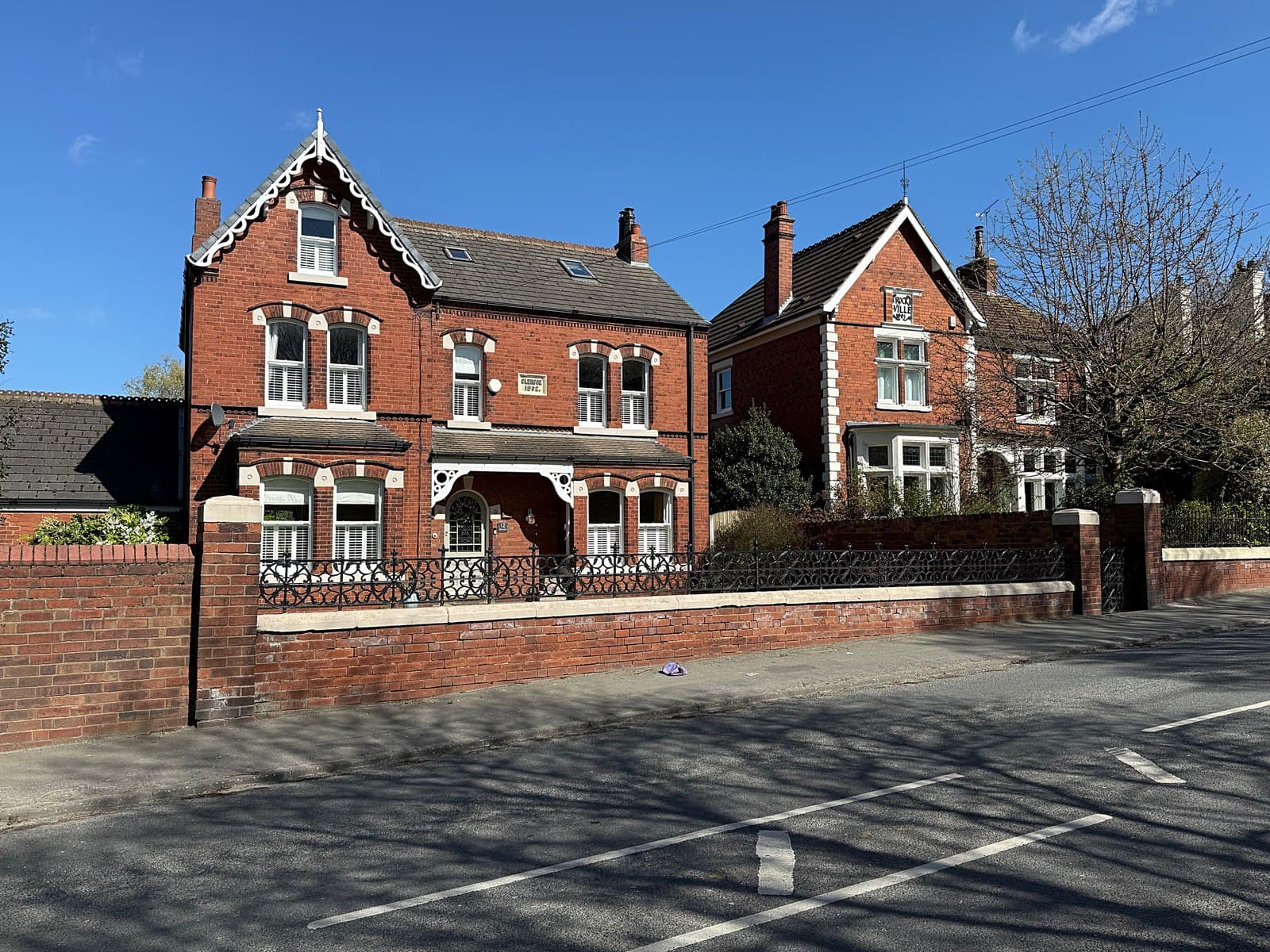
Detached houses bought in the 2021 to 2023 boom have been selling below their purchase price 14.9% of the time, against 9.1% for semi-detached homes, according to ValuQ analysis of 78,815 matched Land Registry sales. The gap holds in every region of England and Wales, and it widens sharply above £450,000.
In Basildon, a losing sale costs a detached owner £41,750
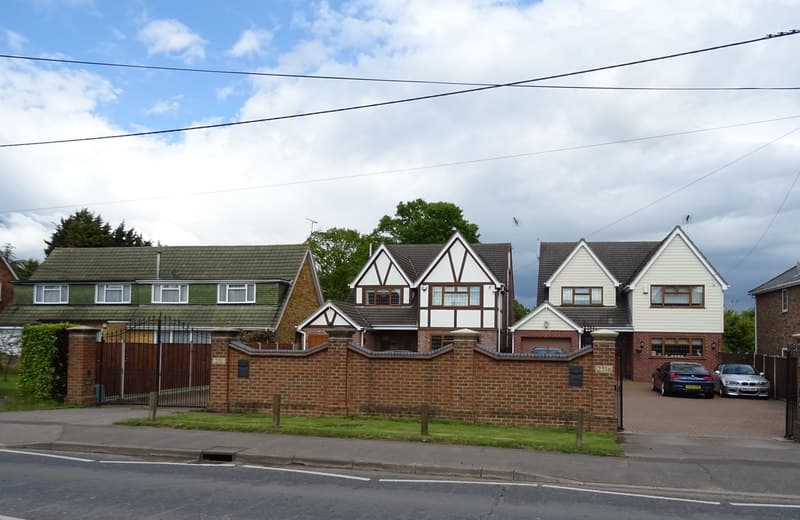
When a Basildon detached home bought in the 2021 to 2023 boom sold below its purchase price, the owner gave up a median of £41,750, against £5,000 for a terraced home in the same position. ValuQ matched 496 Basildon sales in Land Registry records, and one in five detached resales went backwards while fewer than one in eleven semis and terraces did.
Buyer demand improved again. Fewer homes are queueing behind it.
The Royal Institution of Chartered Surveyors published its August survey on 10 September 2026, and it shows buyer enquiries improving for a fifth month running while the supply of homes lining up behind them is thinning. If you are weighing up an autumn sale, that combination matters more to your timing than the headline price number.
Small-deposit lending hit a 2008 high. What it means for sellers
On 8 September 2026 the Bank of England reported that 8.4% of new mortgage lending in the second quarter went to buyers borrowing more than 90% of a property's value, the highest share since the second quarter of 2008. For a seller, that means the pool of people who can afford your home is wider than it was a year ago, and more of those buyers are relying on the lender's valuation to get over the line.
Complaints about new homes tripled. What it means if you own one
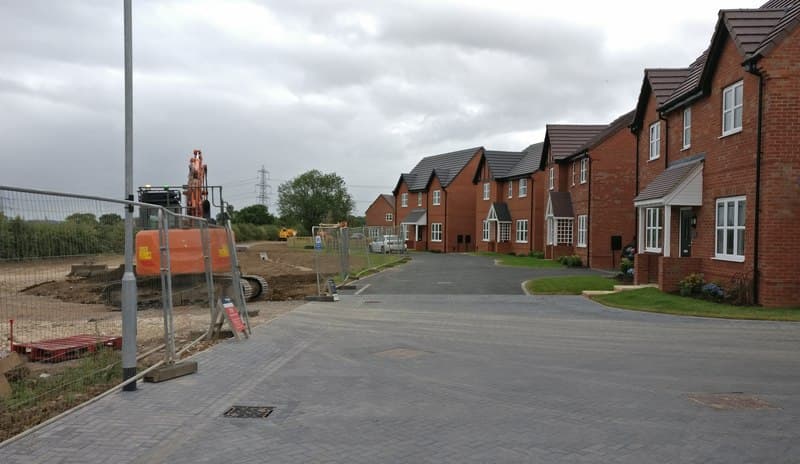
On 7 September 2026 the New Homes Ombudsman Service reported that formal complaints from new build buyers rose from 593 in 2024/25 to 1,802 in 2025/26, a rise of 204%. If you own a new build and are thinking of selling, two things decide where you stand: the warranty, which attaches to the building, and the complaint window, which runs from the day you bought.
Lloyds says house prices fell. Nationwide says they rose.
On 7 September 2026 Lloyds reported that UK house prices in August were 0.4% lower than a year earlier, the first annual fall its index has recorded since November 2023. Nationwide, measuring the same month, reported prices 1.6% higher, so the two lender indices point in opposite directions for the same month.
The worst house on the best street is worth a tenth of what it looks like
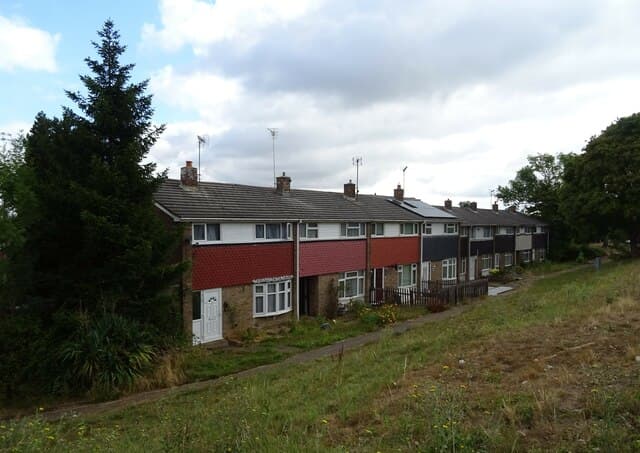
Buying the cheapest home on your street appears to beat buying the dearest by 15.2 percentage points of price growth, worth about £31,000 on a typical Essex resale. ValuQ measured it on 133,764 resales without letting one sale price do two jobs, and the gap falls to 1.6 points.
Your home gained £5,000 this year. Your buyer can borrow £19,600 less.
The average home in England was worth £5,185 more in June 2026 than a year earlier. In the six months to July, the buyer for that same home lost £19,634 of borrowing power, because quoted mortgage rates climbed while the Bank Rate never moved.
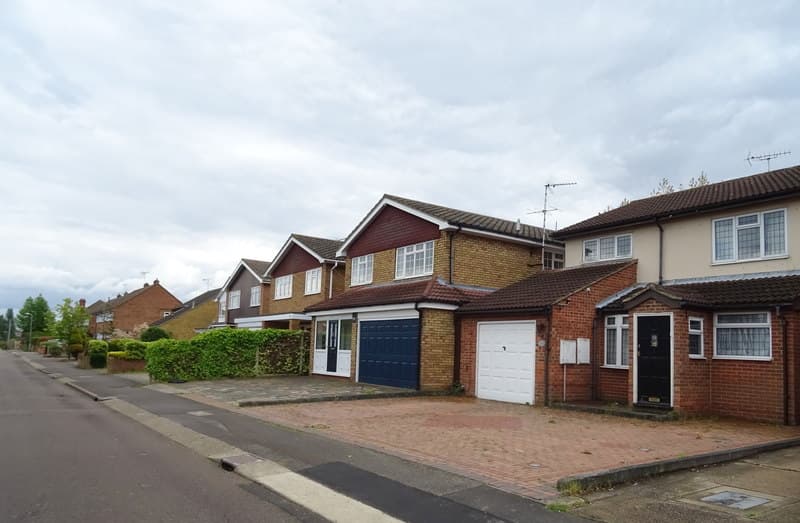
A Basildon buyer's budget fell £22,400 since January. One in five homes went with it.
A Basildon buyer with a £36,000 deposit and £1,775 a month to spend could reach a £360,000 home in January. On July's mortgage rates that same buyer stops at £337,600, and 212 of the homes that sold across the borough last year, one in five of everything they could previously afford, sit in the gap.
A rate rise is back on the table. What it means for sellers
On 17 September 2026 the Bank of England held Bank Rate at 3.75%, but three of its nine policymakers voted for a rise and the Bank warned it stands ready to act, with inflation at 3.1% and forecast to pass 4% early next year. Lenders have already moved, pushing the average two-year fix to 5.73%, so the rate your buyer can get is rising even while Bank Rate stands still.
More than a third of auction homes did not sell in July
On 3 September 2026, figures from the Essential Information Group showed that 64.4% of residential lots offered at UK property auctions in July found a buyer, down from 69.6% in July 2025. More than a third of the homes entered into an auction that month came back unsold.
Mortgage approvals fell to a two-year low in July
On 1 September 2026 the Bank of England reported that 56,053 mortgages were approved for house purchase in July, the fewest since January 2024 and down from 58,215 in June. Interest in homes has not gone away, but the group of buyers who can borrow enough to act on it has thinned, so the strength of the buyer you accept now matters more than the number of viewings you count.
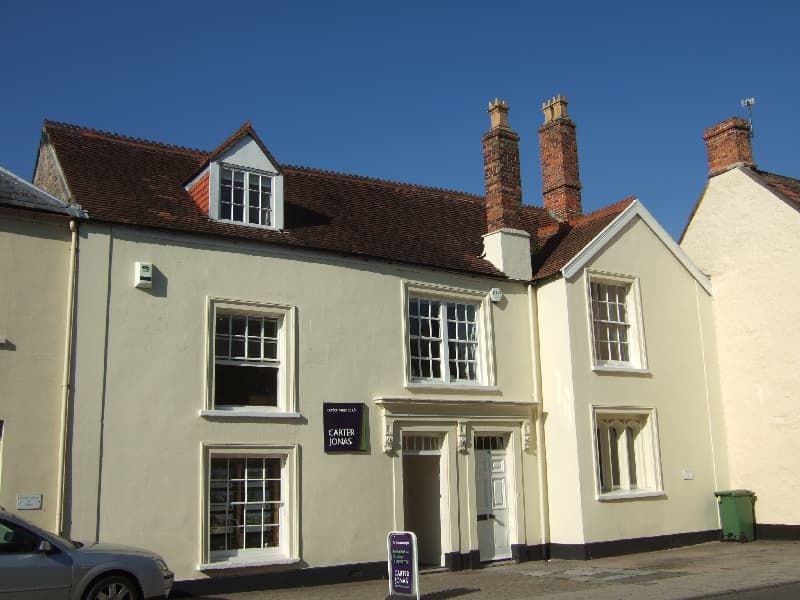
House prices rose in August. Asking prices fell.
On 1 September 2026, Nationwide reported that UK house prices were up 0.2% on the month and 1.6% higher than a year ago, at an average of £275,465. Two weeks earlier, Rightmove reported the biggest August fall in new asking prices for eight years, down 2.0% to an average of £364,999.
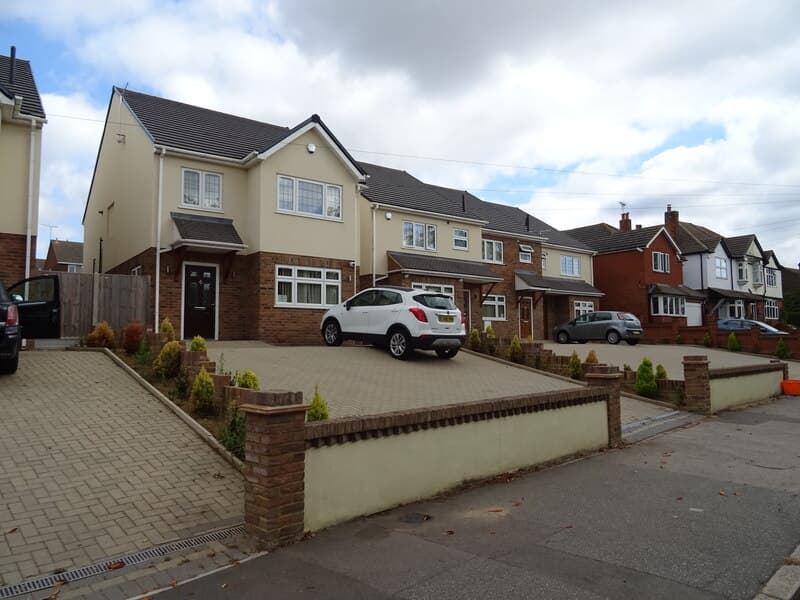
Essex homes are being valued on the thinnest sales evidence in 30 years
Fewer than one Essex home in ten sold in 2025 had three recent sales of its own property type in its own postcode to be valued against. In 2007 it was nearly one in four.
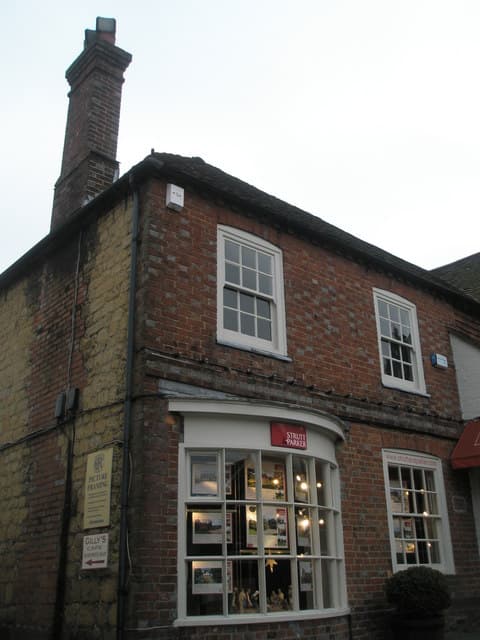
Buyer searches are at a 12-month high. Where are the offers?
On 27 August 2026, Zoopla reported that buyer searches across the UK are 7% higher than a year ago, the strongest annual rise in twelve months. Agreed sales are still running 6% below last year, so the interest returning to the market has not yet turned into offers.
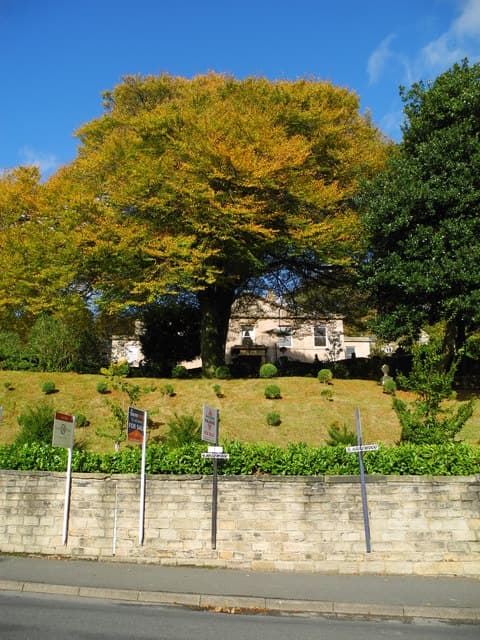
One in seven homes sold within two years goes for less than it cost
Of the 49,996 homes in England and Wales that were bought and then sold again within two years, and completed between April 2023 and March 2026, 14.9% sold for less than the owner paid. Hold the same home for three years or more and that figure falls to 6.5%, and past ten years it is 3.1%.
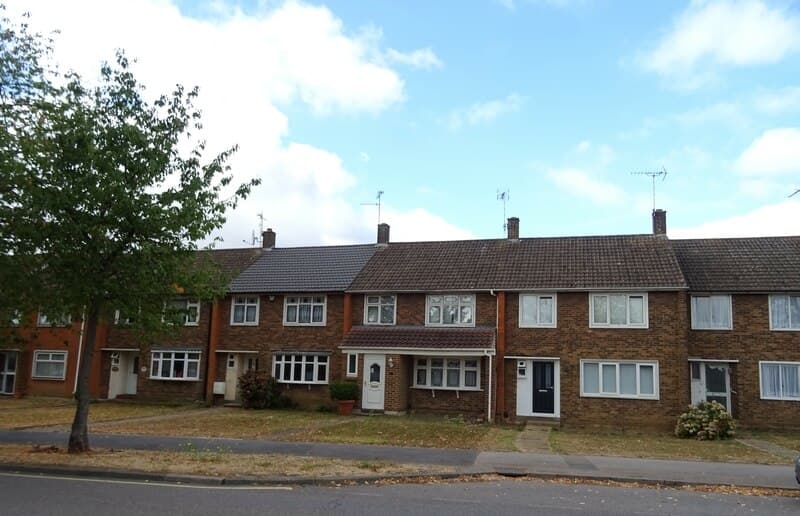
Basildon punishes the quick seller and rewards the patient one
Of 102 Basildon homes bought and sold again inside two years, 23.5% went for less than the owner paid, against 14.9% across England and Wales. Hold a Basildon home for ten years or more and the loss rate falls to 1.0%, which is a third of the national figure.
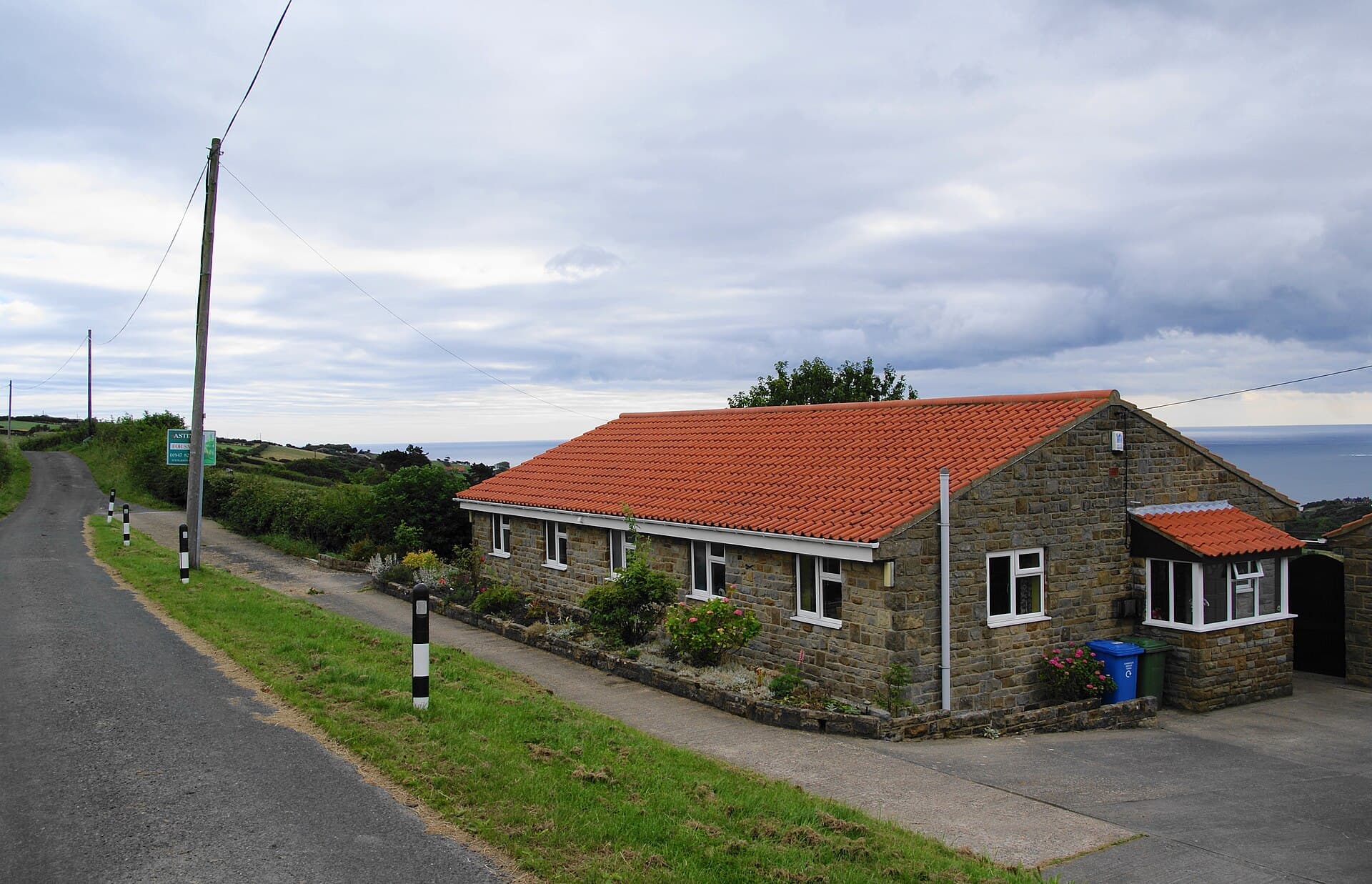
Only half the homes that left the market in July had sold
On 28 August 2026, market analyst Chris Watkin reported that 51.3% of the homes that left estate agents' books in July exchanged and completed, while around 49% came off the market without selling, against a seven year average of 57.6% that sell. August figures published on 15 September show more listings converting to sales but agreed sales still down on last year, so pricing remains what separates the homes that sell from the ones that come off unsold.
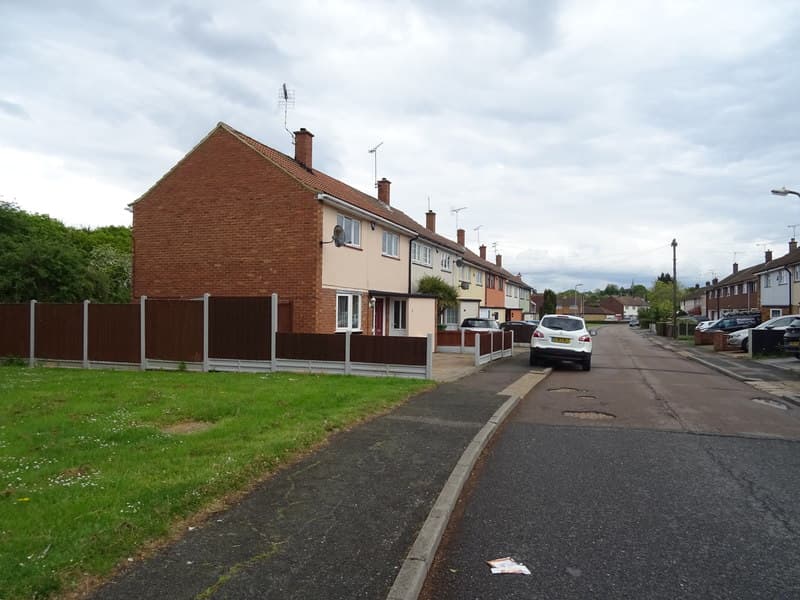
One Essex home sold at £250,500 in eleven years. Here is why.
Until December 2014 stamp duty was charged on the whole purchase price, so a home at £250,001 cost the buyer £5,000 more tax than one at £250,000. New ValuQ analysis of 1,032,346 Essex, Southend and Thurrock sales finds that across the eleven years to that date, 4.73 homes sold in the £15,000 below the line for every one above it, against 1.14 at ten price points carrying no threshold. One year after the rule changed the ceiling was gone, and it has not come back.
House price growth slowed to 2%. What it means for sellers
On 19 August 2026 the Office for National Statistics reported that the average UK home was worth £272,000 in June, 2.0% more than a year earlier, down from 3.0% annual growth in May. Growth has now slowed for a second month running, and the gap between regions is wider than the national figure suggests.
Inflation rose to 2.9%. What it means if you're selling
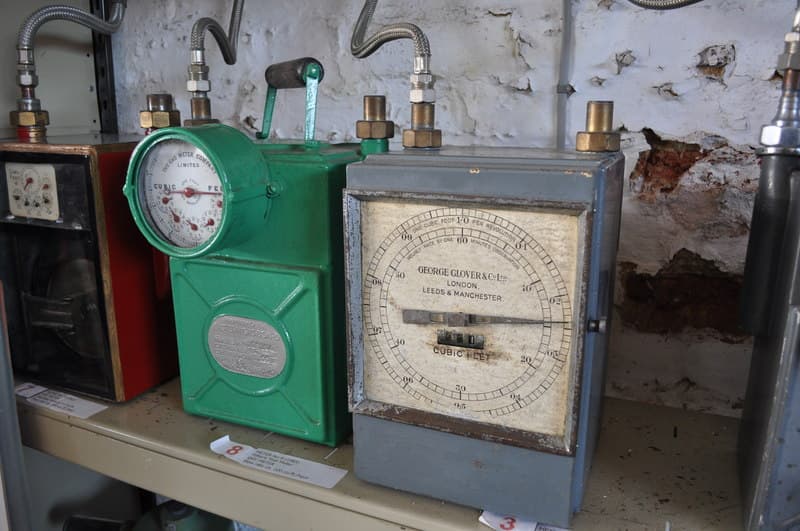
On 19 August 2026 the Office for National Statistics reported that UK inflation rose to 2.9% in the year to July, up from 2.6% in June. The rise was expected, it sits on the Bank of England's own forecast path, and by itself it does not change whether now is a sensible time to sell.
Essex homes bought new resell £20,000 behind their neighbours
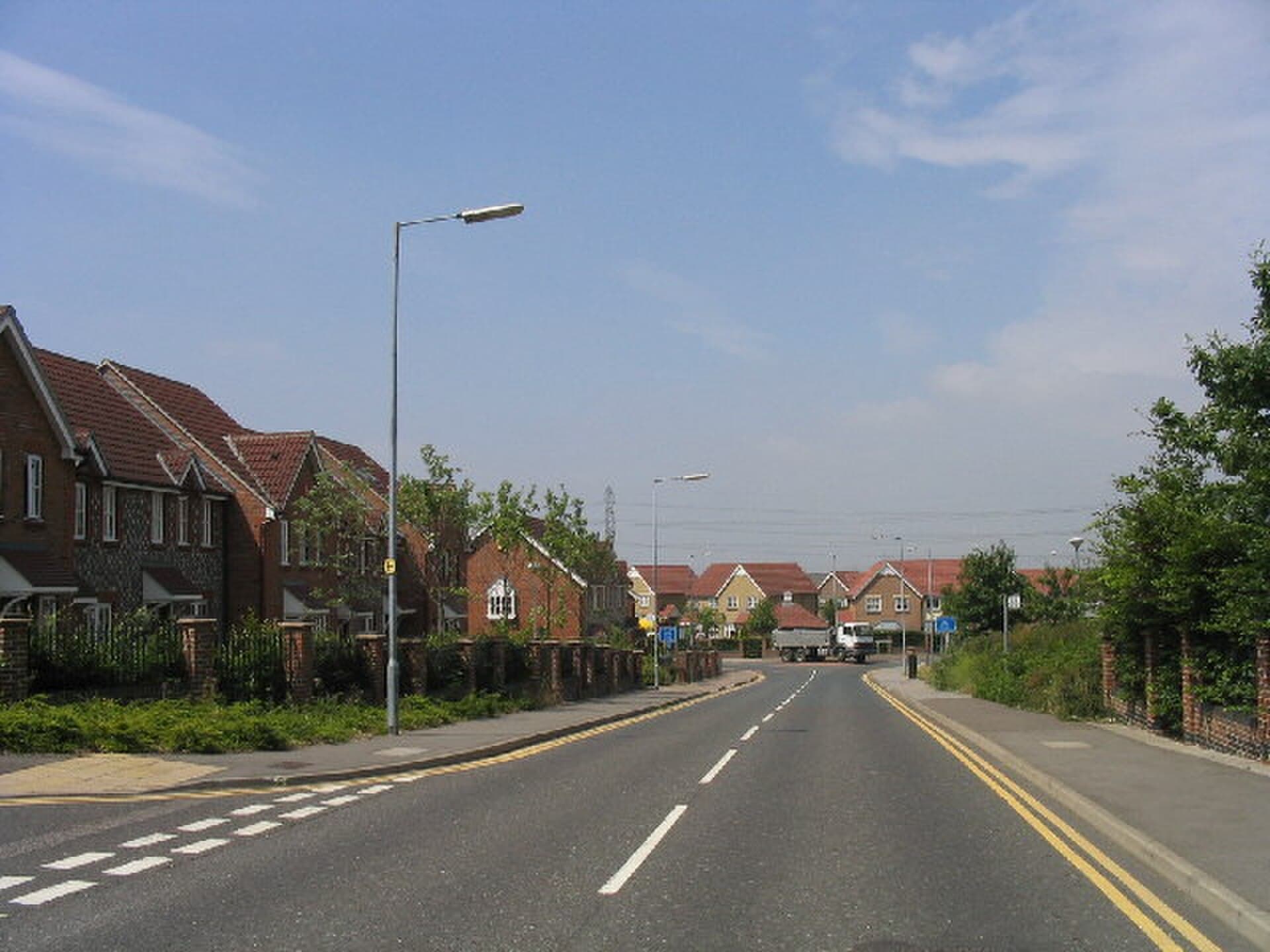
An Essex home bought new from a developer grows 10.8 log points less than an identical second-hand purchase in the same district and year, a typical £20,272 of price growth, and about half of that gap is the price of the home having been new.
Asking prices fell 2% in August. Rightmove cut its forecast
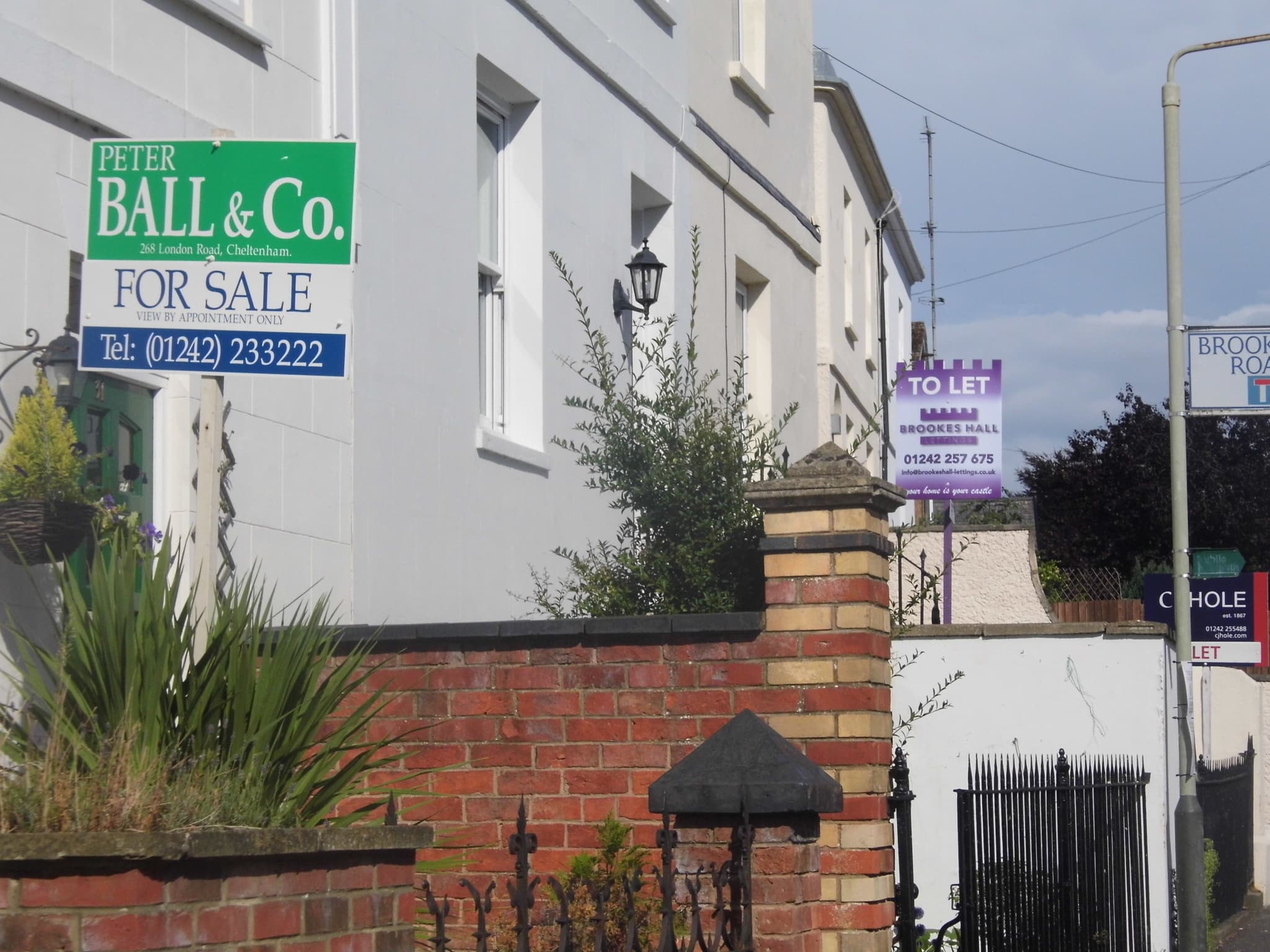
On 17 August 2026, Rightmove reported that the average asking price on a newly listed home in Britain fell 2% in August, down £7,360 to £364,999. That is the steepest August fall since 2018, and Rightmove cut its own forecast for the year from a 2% rise to somewhere between flat and a 2% fall.
Home sales jump 8% the month a two-year mortgage deal ends
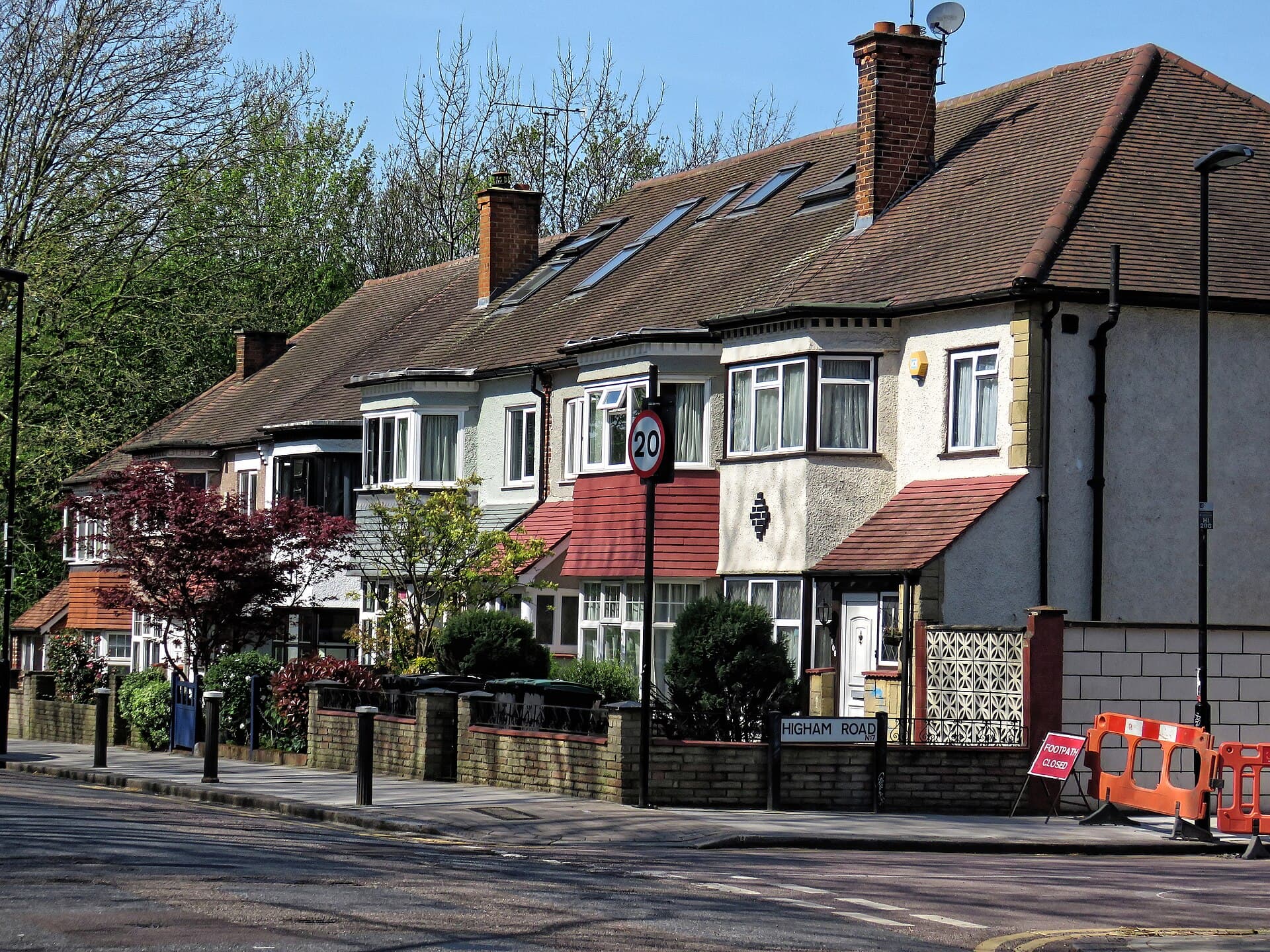
Sales of the same home rise 8.25 per cent between the 23rd and the 24th month of ownership, the biggest step at any anniversary in the first ten years, and there is nothing like it at three, four or five years.
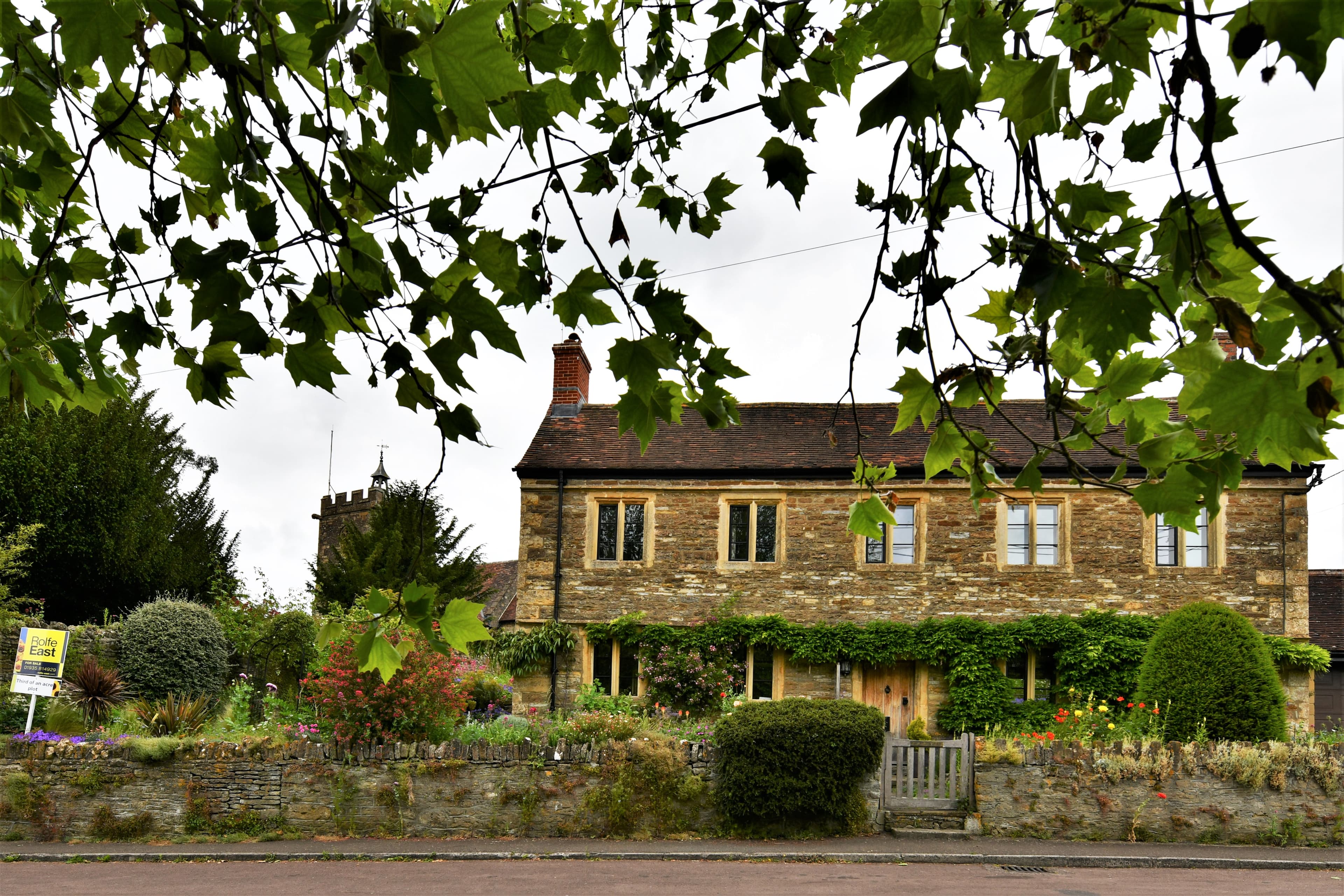
Revealed: the towns where the priciest homes are the ones losing money
In 102 of the 107 English and Welsh districts ValuQ could measure reliably, houses in the most expensive quarter of their local market resold at a loss more often than houses in the cheapest quarter. These are not mansions: the typical top-quarter house in the analysis cost £425,000.
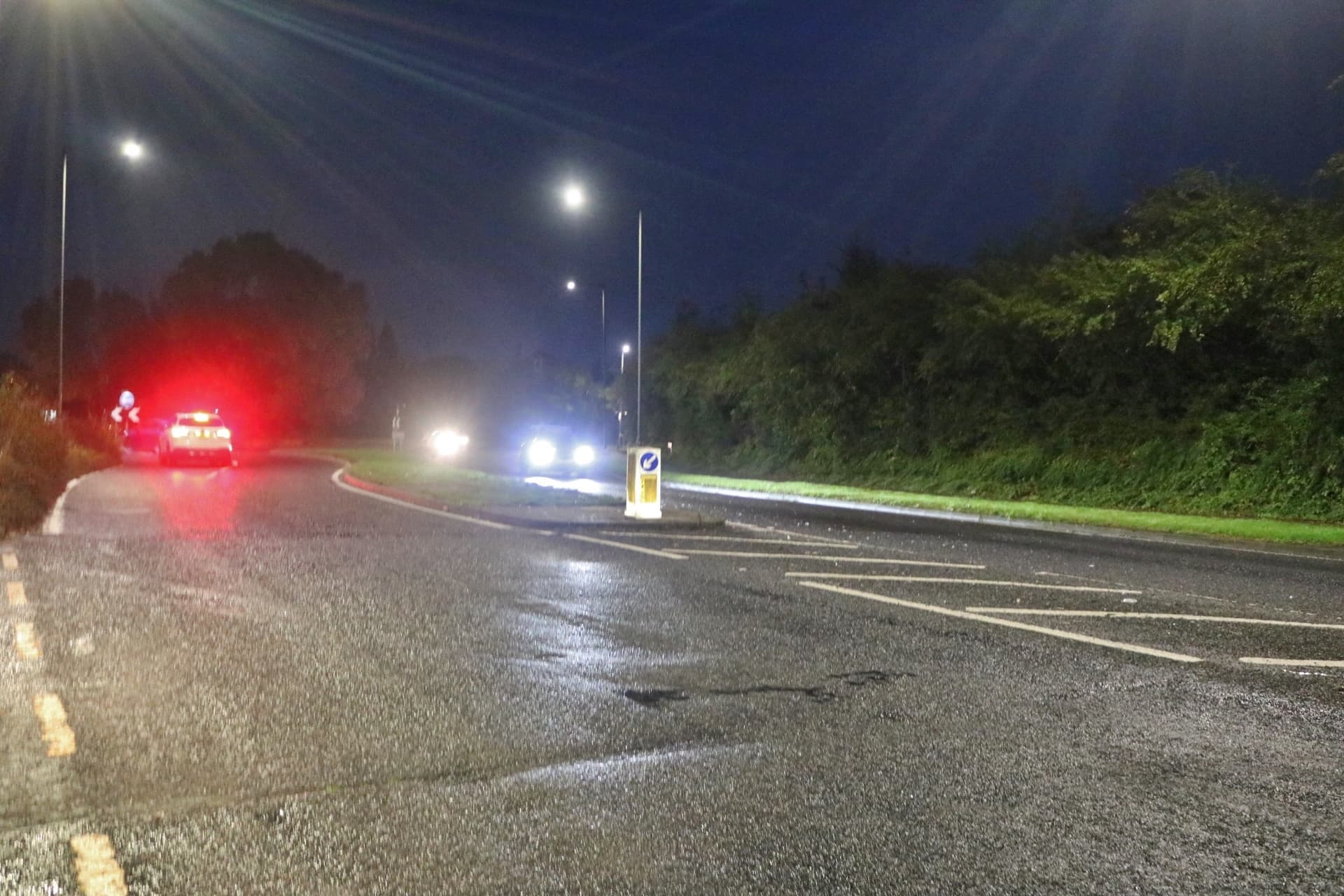
Basildon's priciest homes gained half as much as its cheapest
Basildon houses bought since 2019 in the cheapest quarter of the local market earned 5.05% a year before they were sold again, while houses in the most expensive quarter earned 2.69%. The top end is the slower half of the town's market, but it is holding up far better than the top end of Brentwood or Chelmsford.
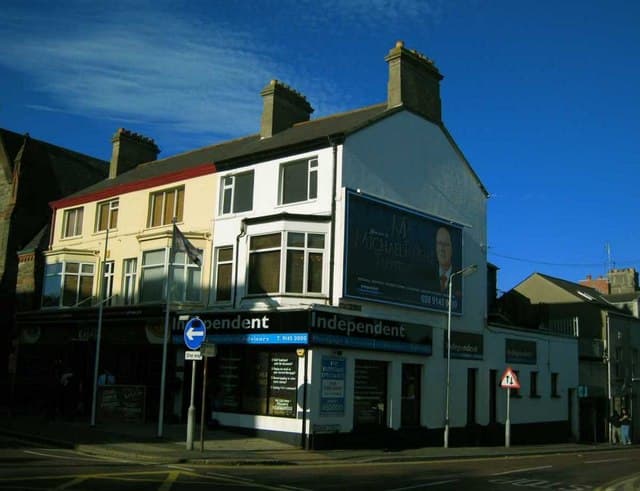
Arrears fell again. The forced-seller wave hasn't come.
On 13 August 2026, UK Finance reported that homeowner mortgage arrears had fallen for an eighth consecutive quarter and that repossessions were down 14% on the same quarter last year. If you are selling into a slow market and a buyer is leaning on you for a reduction because sellers are supposedly desperate, the lending data does not support that picture.
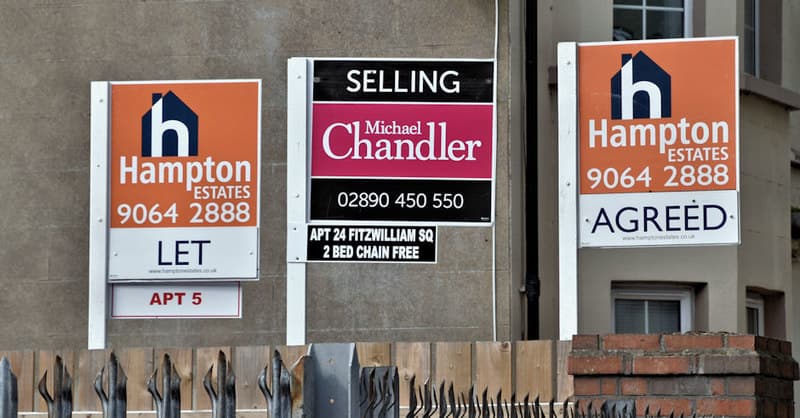
More homes are coming to market. Buyers haven't followed.
When this article was first published, the flow of homes coming to market had started to recover while buyer numbers sat still. The August 2026 RICS survey, published on 10 September 2026, changed that picture: buyer enquiries have now improved for a fifth month in a row, and it is the pipeline of homes behind them that has started to thin instead.
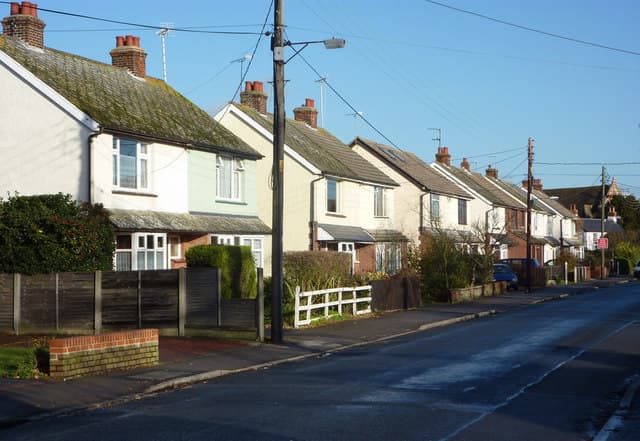
In Essex, your street decides more than your town does
Two like-for-like Essex homes in the same town, bought and sold in the same years, end up about 10.5 percentage points of price growth apart purely because of their street. The gap between the county's strongest and weakest towns is 8.1 points.
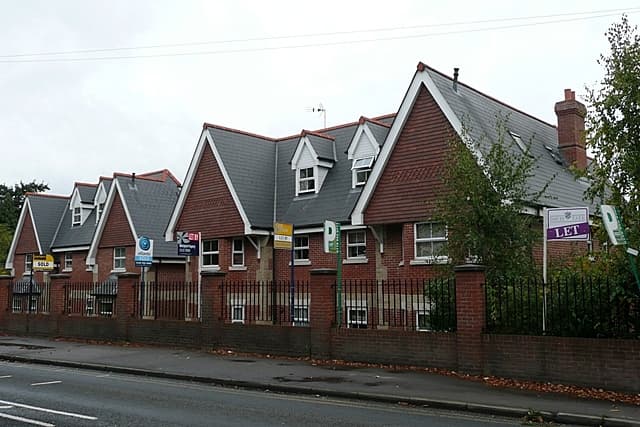
Four in five flats didn't sell within six months
On 11 August 2026, Zoopla reported that four out of five flats put up for sale in the UK failed to find a buyer within around six months, against roughly half of all homes. If your flat has been sitting there, the reason is usually structural rather than personal, and the things that move a flat are not the same as the things that move a house.
The base rate hasn't moved. Your buyer's mortgage has.
The Bank of England has left the base rate at 3.75% since 30 July 2026 and does not decide again until 17 September. Fixed mortgage rates have carried on rising anyway, with HSBC and NatWest both repricing upward in the first week of September, so the number shaping what your buyer can offer you has moved even though the headline rate has not.
78 towns where recent buyers sell at a loss more often than London
Britain's map of the trapped recent buyer does not centre on London. ValuQ analysed 263,470 homes in England and Wales that were bought and sold again within five years, and found 78 towns where sellers got back less than they paid more often than they did in London.
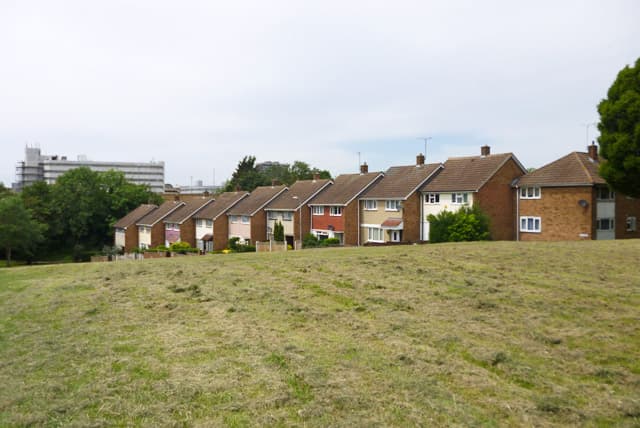
Brentwood's recent sellers lost money twice as often as Basildon's
ValuQ compared what 444 Basildon homes sold for with what their owners had paid for them within the previous five years, and found 10.4% went for less than the purchase price. In Brentwood the rate was 20.9% and in Chelmsford 18.8%, so the cheaper town has handled the last two years better than the expensive ones.
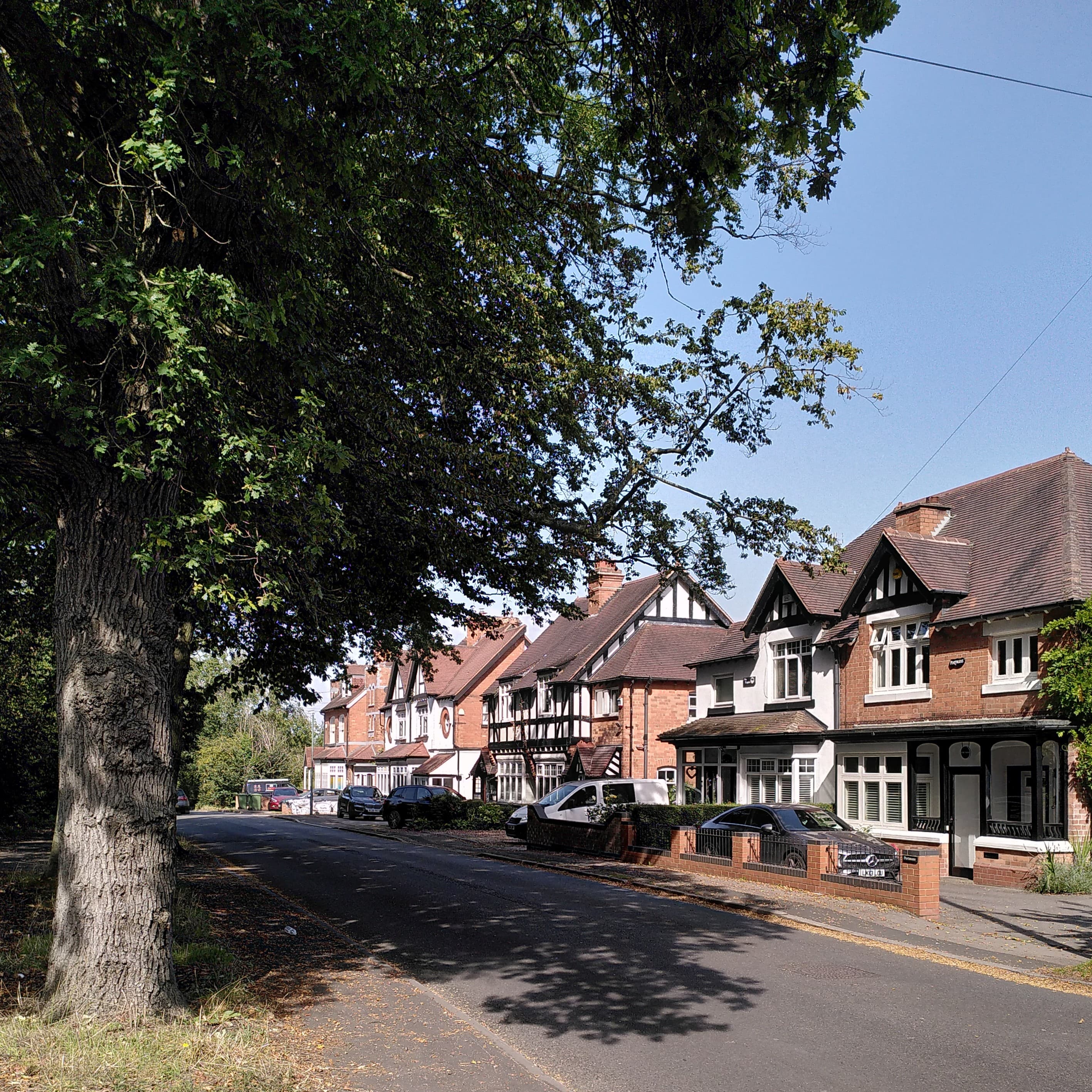
The homes that keep coming back sell for thousands less
A home in England and Wales that has changed hands five times or more since 1995 has grown about 3.8 percentage points less than a like-for-like home in the same district, of the same type, bought and sold in the same years, that changed hands only twice. On a typical purchase price that is roughly £7,200 of gain that never arrived.
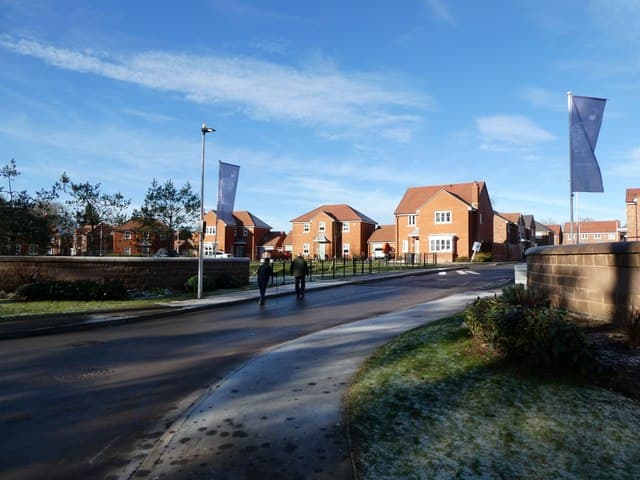
New builds cost 30% more. Do you get it back when you sell?
Figures published on 6 August 2026 put the average new-build premium in Great Britain at 30%, up from 23.7% a decade ago. You recover part of that premium when you sell, and how much depends mostly on how long you have owned the home, because your buyer prices it against the second-hand houses nearby rather than against a show home.

Essex flat owners are further from a house than they were in 2016
The cash an Essex flat owner needs on top of their flat to buy the typical semi has grown 57% in nine years, from £105,000 to £165,000. The flat that has to pay for it grew 39%.
95% of home movers hit an unexpected cost this year
On 3 August 2026, conveyancing technology firm PEXA published research showing 95% of people who moved home in the past year met a cost they had not expected, up from 62% a year earlier. The cause it identified was timing rather than concealment: charges were explained too late for anyone to plan around them.
Complaints about property agents rose 55% this year
The Property Ombudsman received 55% more complaints in the first half of 2026 than in the same period last year, according to figures published on 4 August 2026. The rise says more about how long and how fragile sales have become than about agents suddenly getting worse.
Leasehold houses that bought their freehold sold 4.2 points ahead. Only 6% did it
A house in England or Wales that was leasehold when it was bought and freehold when it was sold grew 4.2 percentage points faster than a comparable house that stayed leasehold, worth about £7,600 on a typical £180,000 sale. Yet only 6.2% of leasehold houses that changed hands twice had bought their freehold in between.
Revealed: the towns where prices rose most and sales fell hardest
Homes across England and Wales are worth about a quarter more than they were before the pandemic, and roughly 100,000 fewer of them change hands each year. ValuQ analysed 3.03 million Land Registry sales and found that in 271 of 305 local authority areas, prices went up while the number of homes sold went down.
Basildon's New Town homes gained £56,000. A quarter fewer now sell.
The average home in Basildon's four New Town postcodes sold for £338,883 in the two years to March 2025, up £56,349 on the two years to March 2019. Over the same period the number of homes changing hands there fell 24%, more than twice the drop in Billericay.
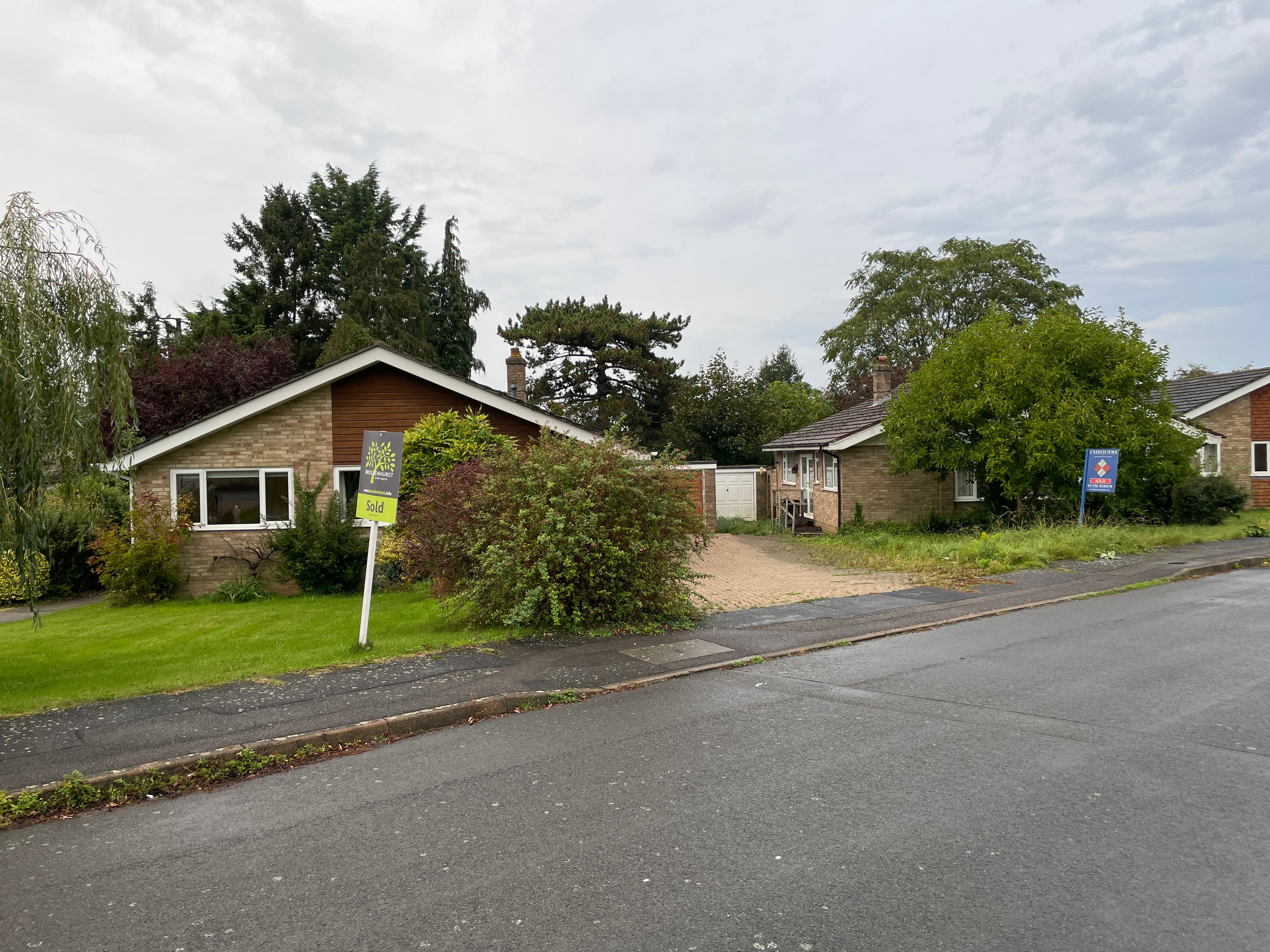
Selling a home now takes 216 days: a record wait
On 31 July 2026, Rightmove reported that the average home move in Great Britain now takes 216 days from listing to completion, the longest at this point in the year since its records began. Only 62 of those days are spent finding a buyer, and the remaining 154 come after the sale has already been agreed.
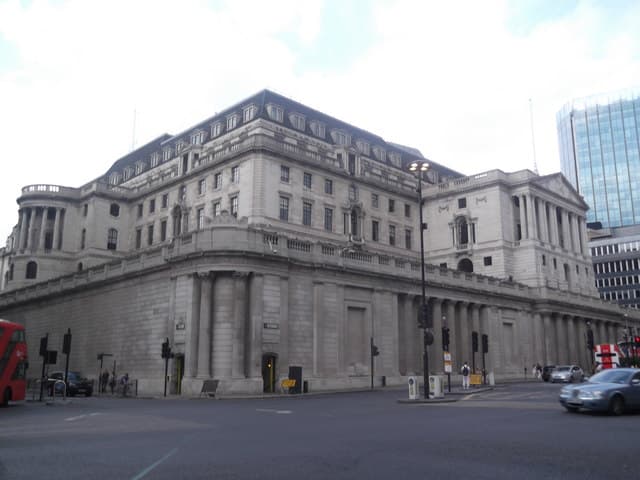
Mortgage approvals rose in June. So did what buyers pay.
On 29 July 2026 the Bank of England reported that 58,200 mortgages were approved for house purchase in June, up from 56,600 in May. The same release showed the average rate actually paid on newly drawn mortgages climbed to 4.35%, its highest in more than a year, so more buyers are getting through the door while each one is borrowing at a higher cost.

Eight towns where first-time buyers just started paying stamp duty
In eight English local authorities, the average first-time buyer paid under £300,000 last year and is paying over it now, which means stamp duty has quietly arrived for the people buying their first home there. Ninety-one of England's 293 local authorities are now above the threshold, up from 83 a year ago, and Basildon is the closest town in the country to joining them at £386 below the line.

Basildon is the closest town in England to the stamp duty line
The average first-time buyer in Basildon paid £299,614 in May 2026, which leaves the town £386 below the £300,000 stamp duty threshold and closer to it than any other local authority in England. Basildon is only still under the line because its prices fell over the past year, while neighbouring Thurrock and Maldon both crossed it.
England's house prices rose. Its holiday-home towns fell.
Between 2023 and 2025 the median home in England rose 2.8% to £295,000. Across twenty of England's best-known holiday and second-home towns, it fell 6.8%. That gap of nearly ten percentage points is not a story about the seaside falling out of fashion. It is what happens when three separate tax changes land on the same buyer inside six months.
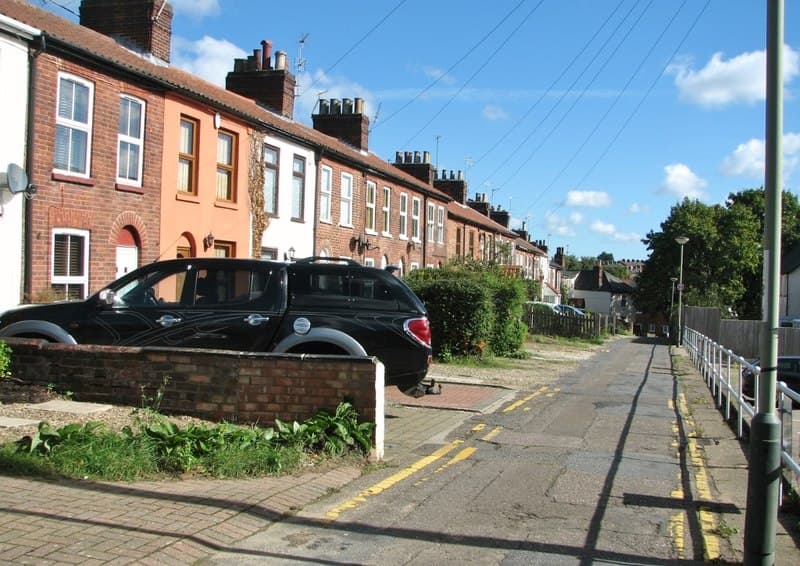
Is stamp duty changing? What the 100,000-name petition means
Nothing has changed yet. A public petition calling for an independent review of council tax and stamp duty closed on 23 July 2026 with 101,907 signatures, which means MPs will consider it for a Commons debate, and the rates you pay today are exactly what they were last week.
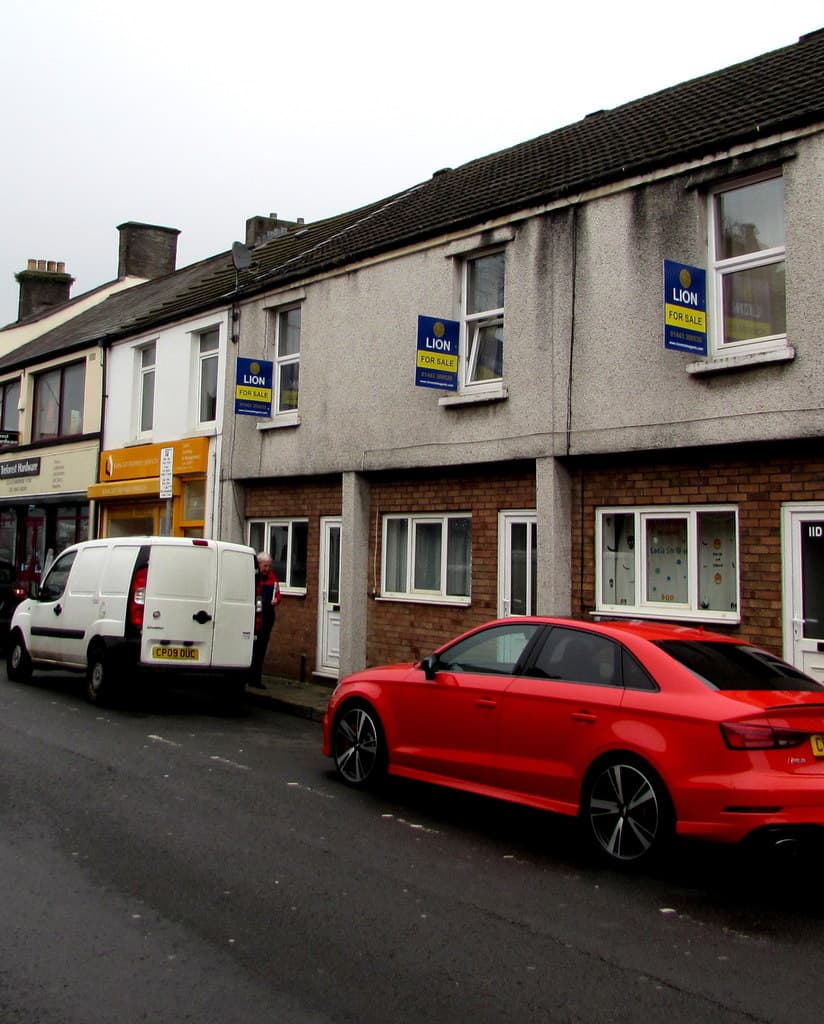
Am I competing with more sellers than usual right now?
Yes, and the competition grew quickly in September. Yopa counted 385,565 homes for sale across England on 14 September 2026, up 16% in the two weeks since 31 August, as the autumn market opened with a wave of new listings.
Asking prices fell 1% in July. Is my house worth less?
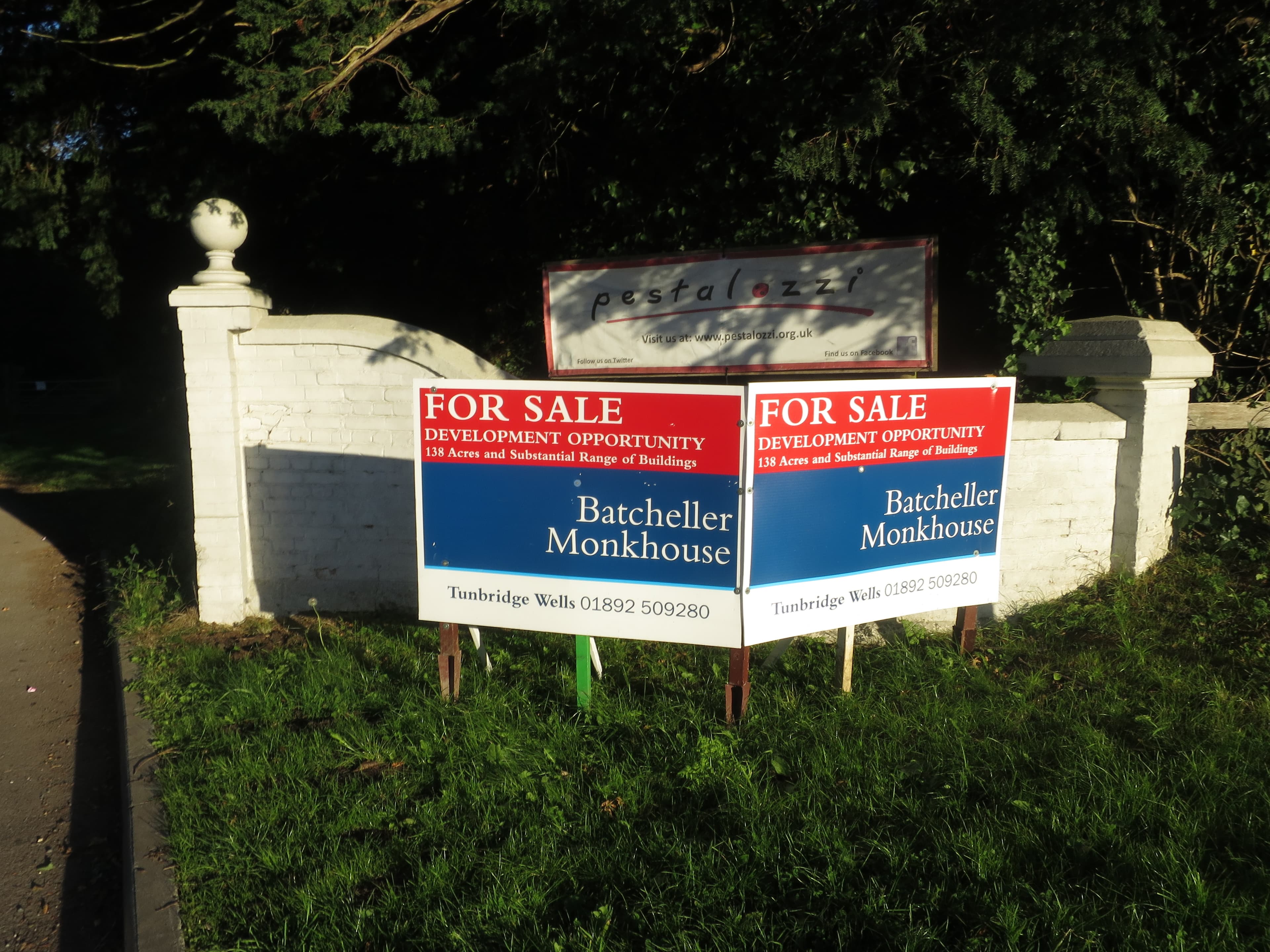
Rightmove reported on 20 July 2026 that the average asking price on newly listed homes fell 1% this month, down 3,832 pounds to 372,359 pounds. That is a fall in what sellers are asking, not in what homes are selling for, and the two move differently.
A new estate went up near you. Flats and terraces pay for it, semis barely notice
If a large new estate has gone up near you, how much it cost your own home depends far more on what kind of home you own than on how much was built. Across every Essex postcode sector, flats and terraced houses in heavily built-around areas grew about seven percentage points less over eleven years than similar homes in quiet areas. Semi-detached houses grew 1.7 points less, which is close to nothing.
Family homes lost value in 53 areas last year. None were northern.
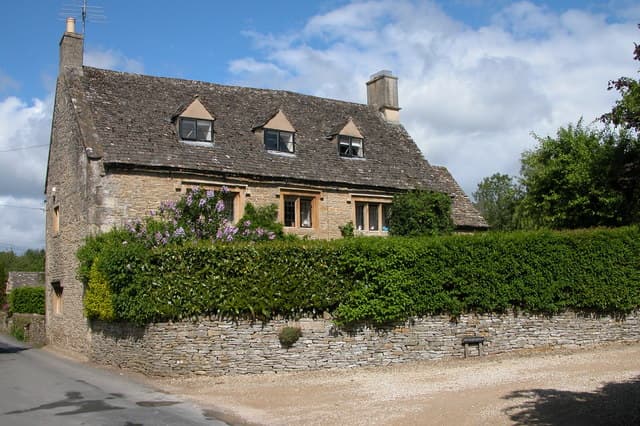
The typical second-hand family home in England and Wales sold for £290,000 last year, up 3.2% on 2024. Underneath that national rise sit 53 local authorities where the typical family home sold for less than it did the year before, and not one of them is in the North of England.
Basildon homes gained £8,500 last year. Dagenham gained £20,000.
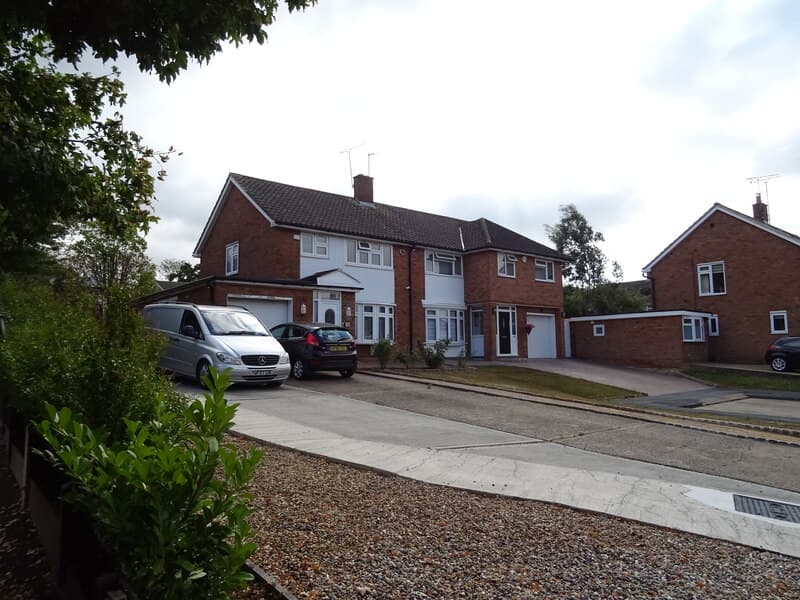
The typical second-hand family home in Basildon sold for £375,000 last year, up £8,500 on 2024. Along the same c2c line, homes in Dagenham gained £20,000 and homes in Grays and Tilbury rose almost twice as fast as Basildon's did.
Mortgage rates are falling again: what it means for your sale
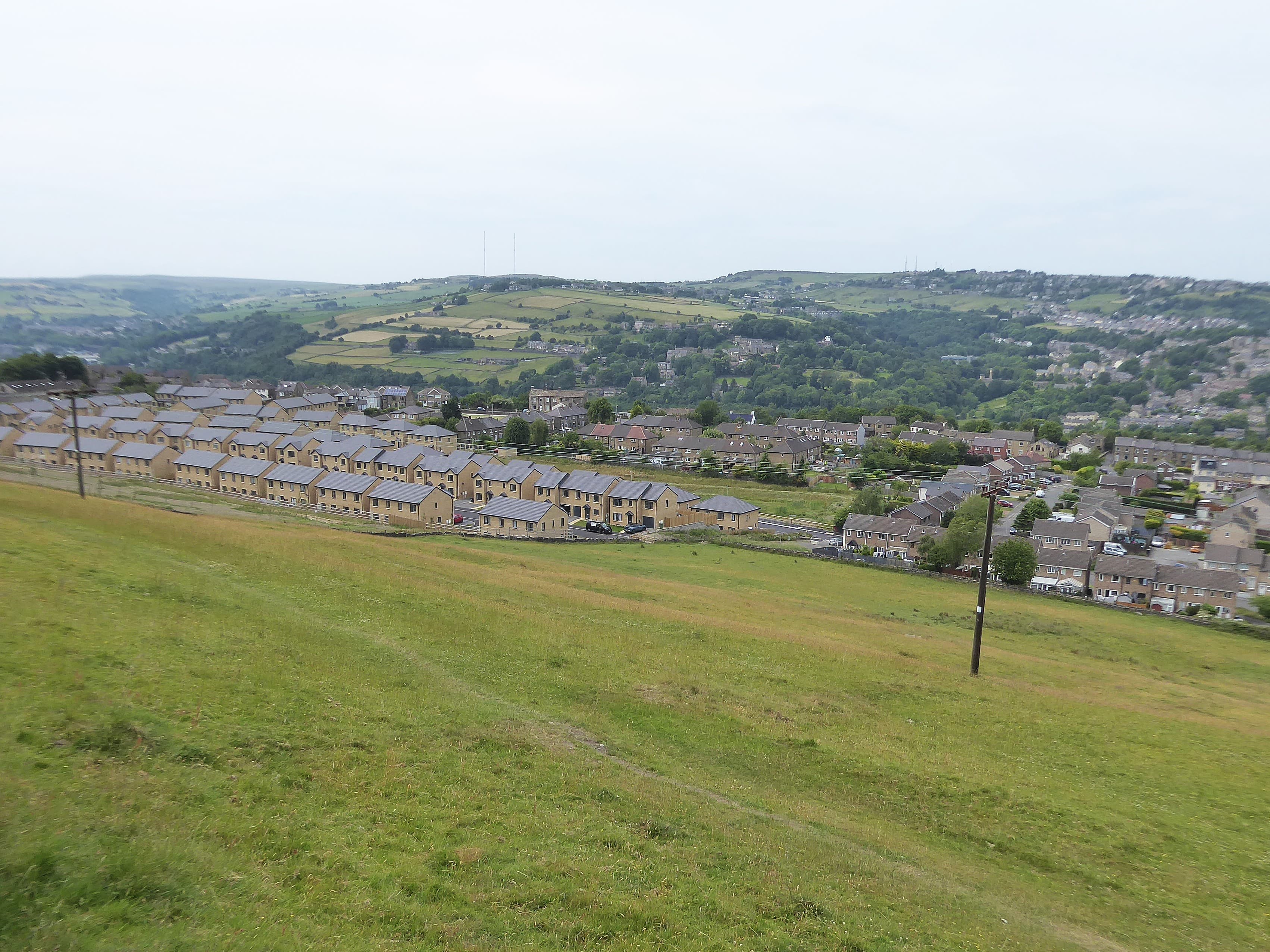
In early July 2026, six mortgage lenders cut their rates within a single 24 hours, with Nationwide cutting for the fourth time in a month, and the Bank of England has held the base rate at 3.75%. For sellers this is quietly good news: cheaper borrowing lets more buyers afford your home, but with a near-record number of homes for sale, the price you set still decides how fast yours moves.
The housing market is steadying: what it means for sellers
On 9 July 2026, surveyors reported the first clear signs of the housing market steadying after months of decline, even though buyer demand and agreed sales are still below normal. For sellers it means the market is holding rather than climbing, so the winning move is to price to the buyers in front of you and sell on your own timeline, not to wait for a surge the data does not promise.

The Halifax house price index is now Lloyds: what changed?
On 7 July 2026, the long-running Halifax House Price Index was published for the first time under a new name: the Lloyds House Price Index. The figures are worked out exactly as before, so the change is a badge and not a break, and the June reading showed the average UK home up 0.2% at £299,330.
The towns going backwards as Britain's housing recovery splits in two
Britain's house price indices say the market is recovering, and on average it is. But the official record of what homes actually changed hands for shows a split market: in nine of the 44 English towns ValuQ analysed, the typical home sold for less in 2025 than in 2024, and some of England's strongest and weakest towns sit inside the same region.
In Basildon, the year you bought decides if you're up £87,000 or down £7,000
Nationally, house prices are recovering, and Basildon is part of it: the average home sold for £341,335 in 2025, up 2.9% on the year. But whether you have actually made money on your Basildon home comes down almost entirely to the year you bought, because a 2016 buyer is up around £86,905 while someone who bought at the 2022 peak is roughly £6,794 behind on the average.

House prices picked up in June: what it means for sellers
UK house prices grew 2.2% over the year to June 2026, up from 1.7% in May, according to Nationwide's index published on 1 July 2026. That points to a market steadying rather than surging, and what it means for you depends far more on your town and street than on any national headline.
The 28 towns where flats fell while the houses next door rose
Across 46 English towns ValuQ analysed, the average flat lost value over the past year in 28 of them, while the semi-detached houses on the same streets gained. In places like Southampton, Medway and Colchester a flat is worth thousands of pounds less than a year ago, even as the family homes around it kept rising.
Basildon flats fell £10,000 this year while its houses barely moved
The average flat in the Basildon area is worth about £10,000 less than it was a year ago, while the town's semi-detached and terraced houses barely moved. Official Land Registry figures show Basildon flats down 5.2% in the year to April 2026, against a 0.3% dip for semis and a 0.5% dip for terraces.
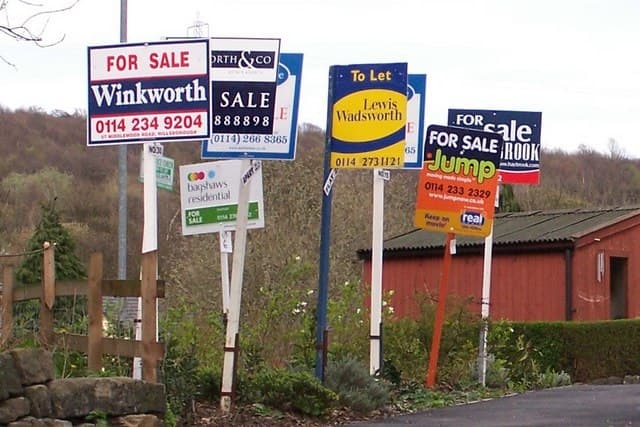
Asking prices just had their biggest June drop in 14 years
On 15 June 2026, Rightmove reported that the average asking price for a UK home fell 0.6% in June, a drop of £2,113 to £376,191 and the biggest June fall in fourteen years. The plain takeaway for sellers is that buyers have a lot of choice right now and are walking past homes that are priced too high.
Sub-4% mortgages are back, even with the base rate on hold
Through June 2026, major lenders including NatWest, Halifax and Santander cut their fixed mortgage rates, bringing the cheapest two-year fixes back below 4% for buyers with large deposits. This happened even though the Bank of England held its base rate at 3.75% on 18 June, and it matters to sellers because cheaper borrowing puts more able buyers in the market.
Nearly a quarter of homes sold since 1995 lost money in real terms
"You can't lose money on bricks and mortar" is the most repeated belief in British housing. ValuQ took 13.7 million repeat sales from HM Land Registry and stripped out inflation. The record says 22.8% of homes sold since 1995 lost money in real terms, even though only 7.8% lost in cash.
Identical-on-paper homes sold £63,000 apart: the limit of every online valuation
An online estimate gives a home one number. The market gives it a range. ValuQ grouped 13.7 million repeat sales by type, street, purchase year and holding period, and found that identical-on-paper homes still ended up about 21 percentage points apart in return, around £63,000 on a £300,000 home. That gap is the part of a home's value no model can see.