UK seaside hotspots: where house prices are rising fastest
Published 29 May 2026 · 4 min read · By Evren Ergin
Coastal Britain is pulling away from the wider property market in May 2026. Rightmove data published this week shows Bootle in Merseyside leading the country at 11% year-on-year asking-price growth, while around eight in ten coastal towns analysed still sit below the UK average price.
TL;DR
- •Bootle leads at +11% year-on-year, with an average asking price of £141,680 (Rightmove, May 2026).
- •Crosby (+9%), Llantwit Major (+9%), Penarth (+8%) and Llanelli (+7%) round out the fastest-growing coastal markets.
- •Around 80% of the seaside towns analysed still sit below the national average asking price.
- •The wider UK market grew 0% in the year to March 2026 (ONS) and 3.0% to April (Nationwide). The seaside hotspots are clearly outpacing both.
Advertisement

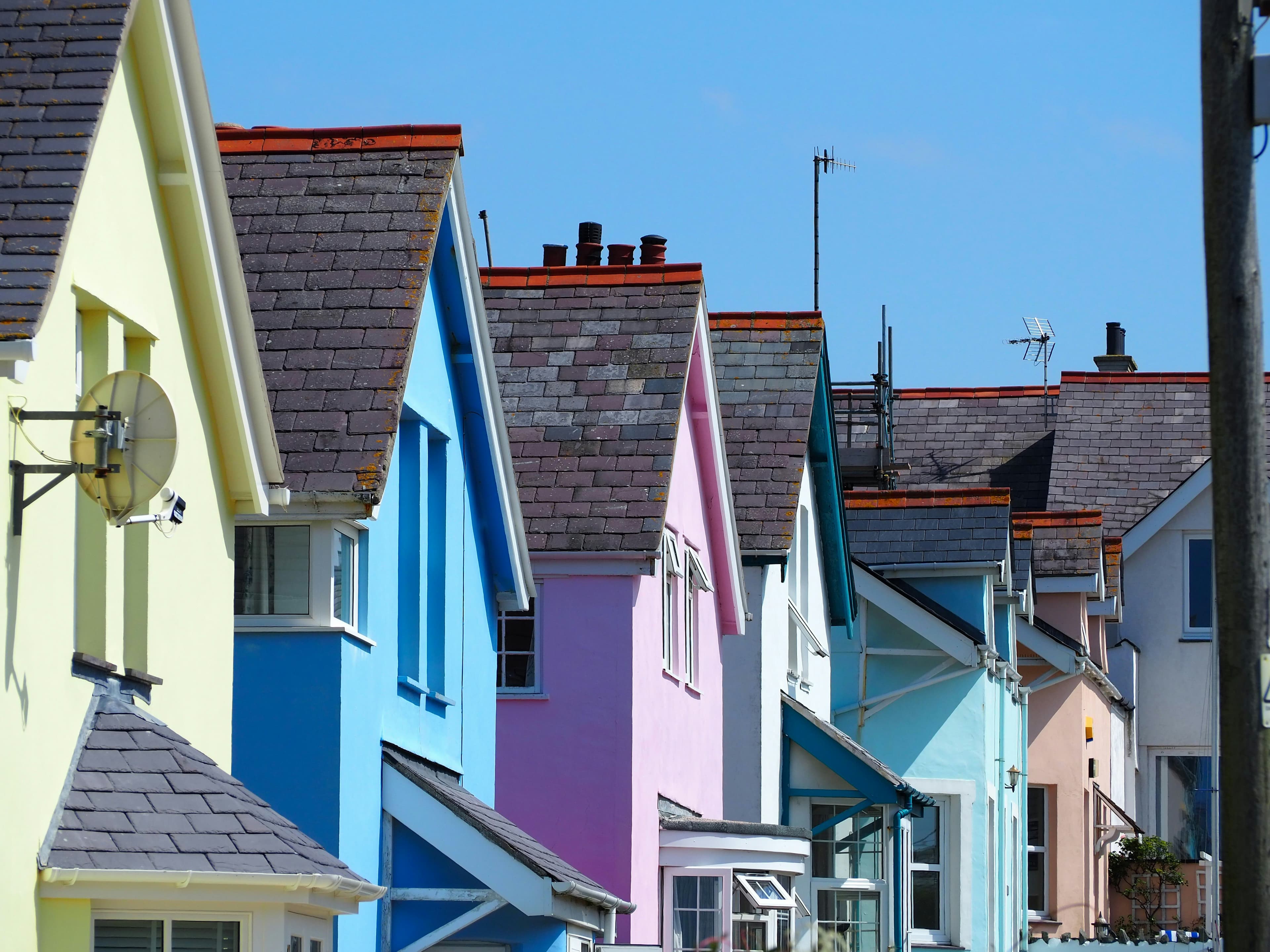
Coastal Britain is having a moment in the property data. According to Rightmove's seaside analysis published in May 2026, the fastest-rising coastal markets are growing at three to four times the wider UK rate. Most of the towns at the top of the table are still below the national average asking price, which is part of what is drawing buyers in.
Which UK seaside towns are rising fastest in 2026?
Bootle in Merseyside leads the table at 11% year-on-year asking-price growth, with Crosby just up the coast adding 9%. Three Welsh towns sit alongside them: Llantwit Major in the Vale of Glamorgan at 9%, Penarth at 8%, and Llanelli in Carmarthenshire at 7%.
Top UK seaside towns by 12-month asking price growth, Rightmove May 2026
| Town | Region | Annual change | Average asking price |
|---|---|---|---|
| Bootle | Merseyside | +11% | £141,680 |
| Crosby | Merseyside | +9% | £330,900 |
| Llantwit Major | Vale of Glamorgan | +9% | Not disclosed |
| Penarth | Vale of Glamorgan | +8% | £433,091 |
| Llanelli | Carmarthenshire | +7% | Not disclosed |
How does this compare to the wider UK picture?
The national market is moving at a much slower pace. The Office for National Statistics measured 0% annual change in average UK house prices in the 12 months to March 2026, released on 20 May 2026, with the average sitting at £268,000. Nationwide's separate index recorded 3.0% annual growth in April 2026, released on 1 May 2026. The fastest seaside markets are running ahead of both.
An asking price is the price an estate agent advertises a property at. It is set by the seller, advised by the agent, and can change at any point before an offer is accepted. Sold prices, which the Land Registry publishes, lag asking prices by three to four months in a rising market, so the gap between the two is currently wider than usual.
Why are coastal markets pulling ahead now?
Three forces are at work in 2026, and they reinforce each other rather than cancelling out.
- Affordability. Most of the towns in the Rightmove ranking still sit below the £268,000 UK average, which keeps mortgage payments inside reach for first-time buyers and downsizers.
- Hybrid working. Fewer commutes a week makes a seafront flat with broadband a viable home rather than a holiday let.
- An older-buyer migration pattern. Nationwide reports that since the pandemic, the 25-34 age group is moving back to urban areas while the 55-plus group is favouring coastal and rural ones.
What does this mean if you are thinking about selling on the coast?
If your home is in one of the rising markets, the temptation is to chase whatever price the agent down the road told the neighbour. That is not the same as the price your home will actually sell for.
Two specific habits help here. The first is to look at sold prices, not asking prices, when comparing nearby homes. The second is to get more than one valuation. The agent who values highest does not always sell fastest. The agent who values lowest is not always being honest either. Compare side by side and ask each to justify the figure with three recent sold comparables.
Asking prices set the conversation. Sold prices end it. In a fast-rising market, that gap gets wider before it closes.
What does this mean if you are thinking about buying on the coast?
Buyers should treat the headline 11% growth as a flag, not a forecast. The pattern in coastal Britain has historically been quick climbs followed by long plateaus. A property bought near the top of a local surge can sit at roughly the same price for several years before the next leg up.
If you plan to live in the area for five years or more, the timing matters less. If you plan to flip, it matters a lot. Land Registry sold-price data is the only honest record of what a street is actually worth, and it is free to search.
Where ValuQ fits in
ValuQ is a UK proptech. Homeowners use it to get free, side-by-side property valuations from competing local estate agents, on one screen, before they speak to a single agent. In a market where the gap between the highest valuation and the lowest can stretch into tens of thousands of pounds, comparing on one page beats running three separate phone calls in the same week.
Sources
- [1]Rightmove — UK seaside property hotspots analysis · 2026-05-28 · https://www.rightmove.co.uk/news/
- [2]Office for National Statistics — UK House Price Index, March 2026 · 2026-05-20 · https://www.ons.gov.uk/economy/inflationandpriceindices/bulletins/housepriceindex/march2026
- [3]Nationwide House Price Index — April 2026 · 2026-05-01 · https://www.nationwide.co.uk/media/hpi/
- [4]HM Land Registry — Sold price data and publication schedule · 2026-05-15 · https://www.gov.uk/government/organisations/land-registry
- [5]Nationwide House Price Index — rural and coastal migration commentary · 2026-05-01 · https://www.nationwide.co.uk/media/hpi/
Read next
Related insights
Does a good school nearby add value to my house?
Should I price my house on what I need for my next one?
House prices now falling in 1 in 3 areas of Britain
What happened to house prices after the last nine Budgets?
What is your home worth today?
ValuQ gives UK homeowners free, side-by-side property valuations from competing local estate agents. Anonymous until you choose. No cold calls.
Get your free anonymous valuationSellers and buyers never pay.