I've inherited a house. How do I sell it?
Published 24 July 2026 · 9 min read · By Evren Ergin
GOV.UK advises not putting an inherited property on the market until probate has been granted, and grants of probate took an average of five weeks from application in the first three months of 2026. Before then your job is to value the house as at the date of death, keep it insured and secure, and agree in writing with anyone else who inherits how the sale will work.
TL;DR
- •GOV.UK advises waiting until probate is granted before putting an inherited property on the market.
- •Grants of probate averaged five weeks from application in January to March 2026; letters of administration without a will averaged eleven weeks.
- •The probate application fee is £526 for an estate worth more than £5,000, and nothing for an estate of £5,000 or less.
- •The date-of-death valuation matters twice, because it sets the inheritance tax figure and the starting point for any later capital gains tax.
Advertisement

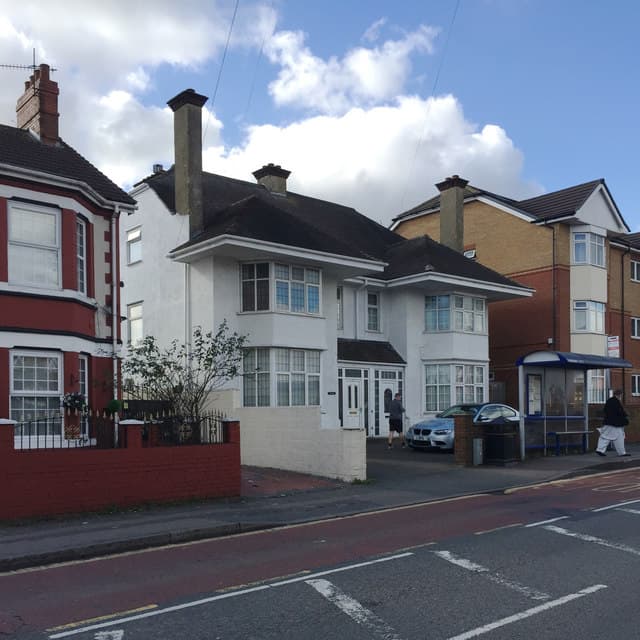
Inheriting a house is rarely a property decision first. It arrives in the middle of a bereavement, often with paperwork you have never seen, and usually with other people who have a say. Take it in order and it becomes manageable. Almost nobody gets this done in a fortnight, and nobody expects you to.
Do I need probate before I can sell an inherited house?
In most cases, yes. Probate is the legal authority to deal with someone's estate after they die. GOV.UK is direct about the timing: you should not make financial plans or put the property on the market until you have got probate.
There are exceptions. You may not need probate if the person owned the property as joint tenants with someone else, because ownership passes automatically to the survivor. If there is a will, the executors named in it apply. If there is no will, the closest living relative applies for letters of administration instead.
How long does probate take, and what does it cost?
The Ministry of Justice publishes the waiting times each quarter. These are the most recent published figures, covering January to March 2026, alongside the current fees on GOV.UK.
Probate timings and fees (Ministry of Justice Family Court Statistics Quarterly, January to March 2026; GOV.UK fees, checked 24 July 2026)
| Item | Figure |
|---|---|
| Average time to issue a grant of probate | 5 weeks from application |
| Average time for letters of administration with a will | About 20 weeks |
| Average time for letters of administration with no will | About 11 weeks |
| Share of applications made digitally, Q1 2026 | 93% |
| Application fee, estate over £5,000 | £526 |
| Application fee, estate of £5,000 or less | No fee |
| Extra copies ordered with the application | £2 each |
| Extra copies ordered afterwards | £16 each |
Order several extra copies at the point of application. Banks, the Land Registry and the buyer's solicitor may each want one, and copies bought later cost eight times as much.
What are the steps, in order?
1. Get a valuation as at the date of death
The estate has to be valued as at the day the person died, not the day you get round to it. This figure is reported to HMRC and it becomes the starting point for any capital gains tax later, so it is worth getting more than one professional opinion rather than accepting the first number offered.
2. Find the will and confirm who applies
An executor named in the will applies for probate. Where there is no will, the closest living relative applies for letters of administration. Check the title first, because a property held as joint tenants may pass straight to the survivor with no probate needed.
3. Insure the empty property properly
A standard home insurance policy can stop covering a house once it has been unoccupied for 30 to 60 days, and the exact period is in your policy wording. Tell the insurer the property is empty and switch to unoccupied cover if needed. An uninsured empty house is the single most expensive mistake at this stage.
4. Secure it and keep it looking lived in
Redirect the post, keep the heating ticking over through winter to protect the pipes, cut the front garden, and ask a neighbour to flag anything odd. Empty houses attract both damage and low offers.
5. Apply for probate
Apply online or by post once the estate is valued. Nine in ten applications are now made digitally and digital applications are the faster route. Inheritance tax has its own deadline: if the estate has to report using form IHT400, that is due within one year.
6. Agree the sale plan in writing with everyone who inherits
Where a house is left to several people, disagreement about price is the usual reason an inherited sale stalls for months. Write down before marketing starts what price you will accept, who deals with the agent, and what happens if one beneficiary wants to buy the others out.
7. Compare agents before you instruct one
Get valuations from several local agents and compare them side by side on price, fee and strategy. An inherited house is often unmodernised, and agents differ widely on how to price that. The solicitor handling probate may suggest an agent; you are under no obligation to use them.
8. Sell, then deal with any capital gains tax within 60 days
If the property has risen in value between the date of death and the sale, that gain can be liable to capital gains tax. It has to be reported and paid within 60 days of completion. Confirm the estate's position with the solicitor or HMRC, because the answer depends on who owned it at the point of sale.
Will I pay tax when I sell an inherited house?
Two different taxes can come into this and they are often confused. Inheritance tax is charged on the estate, based on what everything was worth on the date of death. Capital gains tax is charged on any increase in value between that date-of-death figure and the price the house eventually sells for.
For 2026 to 2027 the capital gains tax annual exempt amount is £3,000 for an individual. Residential property gains are charged at 18% within the basic income tax band and 24% above it. Anything due on UK residential property must be reported and paid within 60 days of completion.
This is general information, not tax advice for your estate. The person handling probate should confirm the position before you exchange, because whether the house is sold by the estate or by the beneficiaries changes the answer.
What is normal here, and what needs attention?
Inherited sales: what to expect and what to act on
| Normal | Needs attention |
|---|---|
| Several weeks of waiting with nothing visible happening | No application submitted at all after two months |
| The house needing work and pricing below the neighbours | One agent's valuation far above every other one |
| A buyer asking when probate will be granted | A buyer pressing you to exchange before probate is granted |
| Beneficiaries wanting different things at first | Marketing starting before the beneficiaries have agreed a floor price |
| An unmodernised kitchen and dated decor | An insurer never told the property is unoccupied |
The date-of-death valuation is the number that follows this house all the way to completion. It is worth more than one opinion.
How do I keep control of the process?
- Do the cheap, reversible things early: valuations, insurance, redirecting post, finding the deeds.
- Hold back the spending that only pays off at the end, such as full redecoration, until you know whether buyers want the house as it stands.
- Tell any interested buyer plainly that the sale is subject to probate. Buyers accept that when it is said up front and walk away when it appears as a surprise six weeks in.
- Judge a buyer by what they have instructed and paid for, not by what they have promised. A solicitor instructed and a mortgage application submitted mean something. Enthusiasm does not.
- Remember an energy performance certificate is valid for 10 years, so an existing one for the property may still be usable and does not need buying twice.
Can I put an inherited house on the market before probate is granted?
GOV.UK advises against it, saying you should not put the property on the market until you have got probate. Practically, you cannot complete a sale without the grant, so marketing early risks losing a buyer who runs out of patience.
What if the house was left to more than one person?
Everyone who inherits a share has to agree to the sale and to the price. Put the plan in writing before marketing starts, including a floor price and who speaks to the agent, because disagreement between beneficiaries is the most common reason an inherited sale stalls.
Do I have to use the estate agent the solicitor recommends?
No. The choice of agent belongs to whoever is selling. Compare several local valuations on price, fee and strategy before instructing anyone.
Do I pay capital gains tax on a house I inherited?
Possibly. Capital gains tax applies to the increase in value between the date-of-death valuation and the sale price, not to the whole value of the house. For 2026 to 2027 the annual exempt amount is £3,000 and residential rates are 18% and 24%. Any tax due must be reported and paid within 60 days of completion.
What happens to the insurance on an empty inherited house?
Most home insurance policies restrict or withdraw cover once a property has been unoccupied for a set period, commonly 30 to 60 days depending on the policy. Tell the insurer the house is empty and arrange unoccupied cover so a burst pipe or a break-in is not left uninsured.
ValuQ gives UK homeowners free, side-by-side property valuations from competing local estate agents, which is a straightforward way to test a probate valuation against the local market before anyone instructs an agent.
Sources
- [1]GOV.UK: Applying for probate · 2026-07-24 · https://www.gov.uk/applying-for-probate
- [2]GOV.UK: Applying for probate, fees · 2026-07-24 · https://www.gov.uk/applying-for-probate/fees
- [3]Ministry of Justice: Family Court Statistics Quarterly, January to March 2026 · 2026-06-25 · https://www.gov.uk/government/collections/family-court-statistics-quarterly
- [4]GOV.UK: Capital Gains Tax rates and allowances · 2026-07-24 · https://www.gov.uk/capital-gains-tax/rates
- [5]GOV.UK: Report and pay Capital Gains Tax on UK property · 2026-07-24 · https://www.gov.uk/report-and-pay-your-capital-gains-tax/if-you-sold-a-property-in-the-uk-on-or-after-6-april-2020
- [6]GOV.UK: Energy Performance Certificates when selling a home · 2026-07-24 · https://www.gov.uk/buy-sell-your-home/energy-performance-certificates
Terms in this article
Plain-English definitions from the ValuQ property glossary.
Probate and grant of probate
Probate is the legal authority to deal with a deceased person's estate, issued as a grant of probate where there is a will and letters of administration where there is not.
Annual exempt amount
The annual exempt amount is the slice of capital gains each person can realise tax-free in a tax year, £3,000 for 2026-27.
Joint tenants
Joint tenants co-own a property as a single whole, with each owner's interest passing automatically to the survivors on death.
Read next
Related insights
Does a good school nearby add value to my house?
Should I price my house on what I need for my next one?
House prices now falling in 1 in 3 areas of Britain
What happened to house prices after the last nine Budgets?
What is your home worth today?
ValuQ gives UK homeowners free, side-by-side property valuations from competing local estate agents. Anonymous until you choose. No cold calls.
Get your free anonymous valuationSellers and buyers never pay.