Step-by-step how-to guides
Practical, ordered answers to the questions UK home sellers and buyers actually run into. Each guide is sourced, dated, and written for the person doing the work.
Can I switch estate agent while my house is on the market?
Yes, you can switch estate agent while your house is on the market, and plenty of sellers do. The safe way is to check your tie-in and notice periods first, give notice in writing, and keep a list of the buyers your first agent introduced, so you never pay two fees for one sale.
A buyer wants to film my house at the viewing. Should I let them?
Usually yes, if they ask first: most buyers film a viewing to show a partner or remember the layout, and it is a sign of genuine interest. It is your home, so set the rule before the first viewing, ask your agent to enforce it, and keep keys, paperwork and family photos out of shot.

How do I know if my estate agent is doing enough?
Judge your agent on evidence, not on feelings: regular viewing feedback, offers confirmed in writing within two working days, a marketing plan they review with you, and a listing that is accurate and complete. If those are in place and interest is still thin, the issue is more often the price than the effort.

My buyer is losing patience with the delays. What should I do?
A buyer who is frustrated is still a buyer, and most delays in a sale are ordinary and fixable. Find out exactly where the hold-up sits, give your buyer a dated plan, and keep your own side of the file moving fast.

Lots of views on Rightmove but no viewings. What is wrong?
Plenty of online views with no viewing requests is one of the most common patterns in a sale, and it is fixable. It almost always means buyers are finding your home and then deciding against it on price or presentation, so the answer sits in the listing, not in the house.

Should I get my sales pack ready before I list my house?
Yes, preparing your legal and property information before you list is one of the most useful things a seller can do in 2026. It is voluntary for now, but the government plans to make a sales pack compulsory, and buyers already say upfront information makes them more confident to offer.

My buyer wants repairs done before exchange. Should I agree?
Not always, and not without looking at what the survey actually found. A repair request after a survey is a normal stage of a sale, and the fair answer is usually one of three: fix a specific item properly and prove it, adjust the price instead, or say no to items that were obvious at the viewing.
My buyer wants to pay a 5% deposit on exchange. Should I agree?
This is a common request, especially from first-time buyers who have put most of their savings into the mortgage deposit, and agreeing to it is often fine. The safe way to say yes is to accept 5% on the day while your solicitor keeps the contract saying the buyer owes the full 10% if they fail to complete, and to check your own onward purchase does not need the missing money.

My buyer wants to come back and measure up. Should I let them?
Yes, in almost every case: a buyer who wants to measure for sofas, curtains or a kitchen is usually a buyer picturing their life in your home, which is a good sign. Say yes to one arranged, accompanied visit at a time that suits you, and keep an eye on whether the legal side is moving at the same pace.

Rates are rising. Can my buyer's mortgage offer be pulled?
A lender raising its rates does not cancel a mortgage offer it has already issued: the rate written into your buyer's offer stays as it is for as long as the offer is valid. The sales that feel the repricing are the ones where the buyer has not yet applied, so the question that matters is how far through the mortgage process your buyer actually is.

My buyer is using a Lifetime ISA. Will it delay my sale?
A buyer using a Lifetime ISA rarely delays a sale, as long as their conveyancer requests the money early and the agreed price is £450,000 or less. The rules only bite when the request is left late, the purchase price goes over the cap, or completion drifts beyond the time limits HMRC sets.

My buyer wants to wait until after the Budget. What should I do?
A buyer asking to wait until after the Budget on 28 October 2026 is common this autumn and does not mean your sale is failing: 27% of buyers in a September survey said they were pausing for it. The safe response is to agree a firm date, keep both solicitors working through the wait, and judge your buyer by what they have spent rather than what they say.

My buyer pulled out. Can I get my costs back?
Usually not: in England and Wales a buyer can pull out at any point before exchange of contracts without owing the seller anything, unless you both signed a separate agreement such as a reservation agreement. The good news is that most sellers lose less than they fear, because the largest selling costs are only paid when a sale completes.
My buyer pulled out after the survey. Can I see the report?
Losing a buyer after the survey is one of the most common ways a UK sale ends, and it is a setback you can recover from. You have no legal right to see the buyer's survey, but you can ask for it through your agent, and what it found is worth more to your next sale than the weeks you lost.

My cash buyer is messaging me directly. Should I reply?
A buyer who messages you directly is usually keen rather than crooked, and a friendly reply does no harm. The safe rule is to keep the conversation light and send anything about price, money, dates or documents back through your agent and solicitor.
Buyer wants to exchange and complete same day. Should I agree?
A same-day exchange and completion is a normal request, and it can work well, but it moves all of the risk onto moving day. Agree only when the buyer has already committed their money, the paperwork is finished and nothing in your own move depends on a contract that is not yet signed; otherwise ask to exchange a few days earlier on the same completion date.

My estate agent asked for my lowest price. Should I tell them?
It is a normal question and a sensible agent asks it, but you do not need to hand over your exact walk-away figure to get a good negotiation. Give your agent a target price and the reasons behind it, instruct them in writing to pass on every offer and never hint to a buyer what you would accept, and keep the final number for yourself.

What's the best day and time to hold house viewings?
Saturday morning is when Britain views homes, and 11am is the single busiest hour of the week. Figures published on 11 September 2026 show the five busiest viewing slots in the country are all on a Saturday, which makes your Saturday diary the most valuable thing you and your agent control.

My buyer wants a reservation agreement. Should I sign?
Being asked for a reservation agreement is usually a good sign, because a buyer who is willing to put money behind their word is a buyer who intends to complete. It is still a legal contract that binds you as tightly as it binds them, so the honest answer is yes in principle and not until your own solicitor has read it in practice.
I've had two offers on my house. Which one do I take?
Take the offer most likely to reach completion, not the one with the biggest number on it, because a sale that collapses in November costs you more than the few thousand pounds you were holding out for. The way to judge that is to compare the two buyers on their position, their funding and their timing, and to ask your agent for proof of all three before you decide.

My house sale is dragging on. Where is it actually stuck?
A slow sale is rarely one big failure. It is almost always one stage quietly holding up everything behind it, and research published by Rightmove on 9 September 2026 puts the legal work behind 37% of the biggest hold-ups, more than double the next cause on the list.
No viewings in the first week. Is that normal?
Yes, a quiet first week is normal, and on its own it tells you almost nothing about whether your house will sell. The average home in Britain took 64 days to find a buyer in September 2026, according to Rightmove, so seven days is roughly the first tenth of a normal search, the part where buyers are still saving the listing rather than booking a visit.

My flat has a Section 20 major works bill. Can I sell?
Yes, you can sell a flat while a Section 20 consultation is running, and leaseholders do it every week. What decides the sale is not the notice itself but who pays the bill, and that is settled by agreement between you and your buyer before exchange, usually through a retention or a price adjustment.
My buyer says prices are falling. Should I accept less?
A buyer quoting a falling house price index at you is negotiating, not reporting, and you do not have to answer a national average with a local discount. Ask which homes near you have sold for less, because if the evidence does not exist on your street the argument does not apply to your house.

How long do I give my buyer before I remarket my house?
There is no legal clock, so the honest answer is that you give a buyer as long as they keep making progress and no longer. Judge them on milestones rather than weeks, and if a buyer misses two milestones in a row with no explanation, that is the point to talk to your agent about going back on.

Should I sell before the Budget on 28 October?
For almost every seller, the answer is that the Budget on 28 October 2026 should not decide when you sell, because you could not complete before it even if you listed today. The useful move is to separate what has actually been announced from what is only being rumoured, and then decide on your own timing.

My buyer is bringing a builder to view again. Should I worry?
A buyer who brings a builder back is spending their own time and usually their own money on your house, which makes them more committed than most, not less. The thing to prepare for is not the visit itself, it is the conversation about numbers that often follows it.
My viewings stopped when the schools went back. Is that normal?
This is one of the most predictable quiet spells in the selling year, and it usually says more about the calendar than about your house. Buyer attention dips in the first weeks of the school term and then returns, so the move in early September is to read the numbers and hold your nerve, not to cut your price.

My solicitor isn't replying. What can I actually do?
Research published on 3 September 2026 found that when a home move is delayed and the mover blames someone, half of them blame the conveyancer, so the silence you are sitting in is a well-worn part of the process. In most cases it means your file is queued behind other files rather than going wrong, and the way to change that is to stop chasing by email and start making written, dated requests to a named person.

My buyer has a mortgage in principle. Is that enough?
A mortgage in principle is a good sign and it is worth asking for, but it is not the lender promising money on your home. Treat it as the start of your checks on a buyer rather than the end of them, and the rest of this explains what to check next.
Can I still move by Christmas if I list now?
On the average timeline, no. Rightmove's 21 September 2026 figures put a typical sale at 64 days to find a buyer and a further 150 days to complete, so a home listed today would, on the averages, complete in late April 2027; a Christmas move is still possible, but only for a sale that finds a buyer quickly and has its legal work ready before the offer arrives.
My agent wants to hold an open house. Should I say yes?
An open house is a single block of time, usually two or three hours on a weekend, when your agent shows your home to several buyers in succession instead of booking separate appointments. Saying yes is a reasonable decision, and the way you keep control of it is to set the terms before the date goes in the diary.

Should I complete on a Friday when I sell my house?
A Friday completion is the normal choice and it works for most people, but it carries one risk the other weekdays do not: if the money moves late, you lose the whole weekend rather than an afternoon. Pick Friday if your chain wants it, and protect yourself by agreeing a completion time, keeping your solicitor's deadlines in front of you, and never booking removals before contracts are exchanged.
My buyer says an online estimate values my house lower
A buyer holding up an online estimate is one of the most common price challenges sellers meet, and that number is not a valuation of your home. It is a computer's best guess from past sold prices, so treat it as the opening of a conversation rather than a figure you have to match.
My buyer's survey flagged subsidence. What happens now?
A survey flagging possible subsidence is alarming to read, and in most cases it is a request for further investigation rather than a finding that your house is moving. Fewer than 5 per cent of affected properties ever need underpinning, so the next step is a specialist opinion, not a panic sale.
My buyer wants money off because mortgage rates rose
A buyer asking for money off after a rate move is one of the most common renegotiations in the market right now, and it does not mean your sale is lost. Before you talk about money at all, ask them one question: when did they get the mortgage quote their offer was based on?
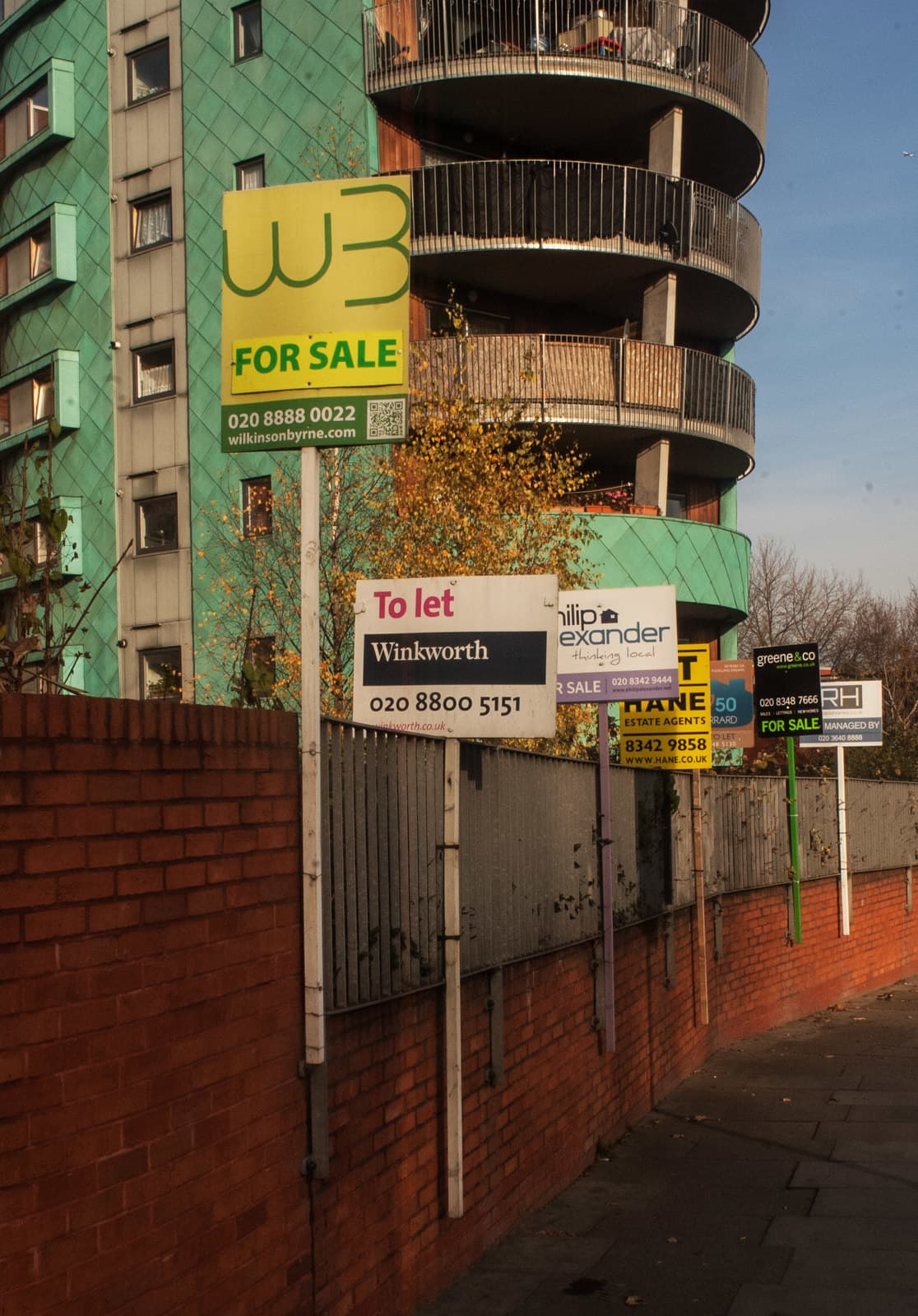
A house on my street just listed cheaper than mine
A neighbour listing below you is uncomfortable, and on its own it tells you almost nothing about what your home is worth. An asking price is a question somebody is putting to the market, not an answer the market has given.

How do I sell my shared ownership home?
Selling a shared ownership home works, and the process is fixed rather than difficult, so most of the stress comes from not knowing the running order. You start with a RICS valuation, your landlord then gets an exclusive window called the nomination period to find a buyer from its own waiting list, and only when that window closes can you bring in your own estate agent.

My buyer's mortgage offer is about to expire. What now?
An expiring mortgage offer is one of the most common late-stage wobbles in a sale, and on its own it very rarely ends the deal. Most lenders will either extend the existing offer or issue a fresh one, and the usual cost is a few weeks of delay rather than a collapsed sale.
My buyer hasn't sold their own home. Should I accept?
An offer from someone who has not yet sold their own home is not a bad offer, it is an unfinished one. Whether to accept comes down to a question you can actually answer: how far along is their sale, and what have they already spent to prove it.

Can I sell my house if I owe more than it's worth?
Yes, you can sell, but the sale has to clear the mortgage, so if the price does not cover what you owe you have to make up the difference. Most people in this position are not as far under as they fear, and the first job is to replace the worry with two real numbers.

My property searches expired before completion. What now?
Expired searches are an administrative problem, not a sign your sale is failing, and they are fixed either by reordering the search or by an indemnity policy costing under £150. It is happening more often because the average move now takes 216 days, which is longer than a local authority search stays valid.

My fixed rate ends before my house sells. What now?
You have options, and none of them require you to accept a sale you are unhappy with. The usual choice is a short new deal with no early repayment charge, or a spell on your lender's standard variable rate, and the right answer depends on how far along your sale actually is.

Should I extend my house or sell and move?
Extend if the only thing wrong with your home is that it is one room too small, and if your street's ceiling price leaves room for the spend to come back. Move if the problem is the location, the plot or the size class, because building work cannot change any of those.

Should I sell my house first, or buy the next one first?
In most cases, sell first. Having a sale agreed makes you a proceedable buyer, which is what gets your offers taken seriously and tells you what your real budget is, whereas buying first without a sale agreed tends to weaken you in both transactions at the same time.

My buyer changed jobs. Will their mortgage still go through?
Usually yes, and a job change is one of the more recoverable problems in a sale. What matters to the lender is not the move itself but whether the income behind the offer is still there, so a sideways step on similar pay rarely causes trouble while a drop in guaranteed pay or a switch to self-employment can.
I've viewed loads of houses and none feel right
Viewing fatigue is normal, it is measurable, and it usually means your brief needs rewriting rather than that the right house does not exist. New survey data published on 12 August 2026 found excitement peaks around the fourth or fifth viewing and stress climbs steadily after the tenth, so if everything has started to blur, you are exactly where the data says you would be.

My buyer's deposit is a gift from family. Should I worry?
A gifted deposit is ordinary and it is not a warning sign about your buyer. It adds one round of paperwork to their mortgage and to the money laundering checks their solicitor runs, so the thing worth watching is not the gift itself, it is whether the person giving it has been asked for their documents yet.

My buyer changed solicitors mid-sale. Should I worry?
A buyer switching conveyancer partway through is usually a sign they were unhappy with the service, not a sign they are backing out. It will cost you time, typically a few weeks, and the one thing worth checking straight away is whether the searches already paid for can be carried across to the new firm.

My buyer's solicitor wants an indemnity policy. Should I?
In most sales the answer is yes, and it is one of the cheapest problems you will be asked to solve. An indemnity policy is a one-off insurance premium, commonly between £20 and £300, that lets a sale move past a gap in the paperwork instead of waiting months for the paperwork itself.
It's completion day and the money hasn't arrived. What now?
Almost always the money is already moving and it lands later the same afternoon, because funds pass through every solicitor in the chain in order and the last transfer is the slowest. If it does not arrive at all that day your sale does not collapse: the contract has a set process for late completion, and the side that caused the delay pays for it.
Someone in my chain is holding up my sale. What can I do?
A chain that has gone still is usually waiting on one link, and in most cases that link is a slow solicitor or a lender, not a buyer who has changed their mind. You can find out which by asking one specific question up the chain and one down it, and the answer tells you whether to wait or to act.

My buyer wants a long completion date. Should I agree?
A long completion date is common and often perfectly reasonable, so this on its own is not a warning sign. The move that protects you is to separate the two dates: agree to the long completion, but exchange contracts early, because once contracts are exchanged the buyer is legally committed and the waiting no longer carries risk.
My flat sale is stuck waiting for the management pack
Waiting on the management pack is the most common stall in a leasehold sale, and in most cases the sale is not in trouble, it is simply queued behind a managing agent with no legal deadline to meet. Packs typically take two to six weeks, sometimes longer, and there are six things you can do this week to move yours along.

Should I take my house off the market and relist in autumn?
Taking your home off the market only gives you a genuinely fresh listing if you stay off for long enough, and on Rightmove that is 14 weeks for a sale property. A short break and a relist usually keeps the original date, so the honest question is not when to relist but what you would change if you did.

My buyer's searches flagged a problem. What now?
Most things that turn up in a buyer's searches are recorded facts about the area rather than faults with your home, and the great majority of sales carry on past them. Get the exact wording from your solicitor first, find out which of three categories it falls into, and only then decide whether anything needs to change.
My lease is under 80 years. Will that stop my sale?
No, a lease under 80 years does not stop you selling, and flats in exactly your position change hands every week. What it does is narrow the pool of buyers who can get a mortgage and raise the cost of extending, so the real question is not whether you can sell but whether you extend first or price for the buyer who will.

Can I sell if I still have a Help to Buy equity loan?
Yes, and you do not have to repay the loan before you sell. The equity loan is settled out of your sale proceeds on completion, but there is a separate approval process running alongside the sale, and starting it late is what pushes these completions back by weeks.
Can I sell my house with tenants living in it?
Yes, you can sell a property with tenants still living in it, and thousands of landlords do it every year. The real decision is whether you sell it tenanted to an investor buyer, or get the property back empty first, because since 1 May 2026 that second route in England takes four months' notice and comes with rules attached.

My buyer wants to exchange but I haven't found a house
This is one of the most common pressure points in a chain, and it does not mean you have to exchange before you are ready. You can hold the sale together while you keep looking, as long as you are straight with your buyer about the timing and you agree a shape that protects you both.
My agent already has a buyer. Should I sell off-market?
An agent who says they already have a buyer may well be telling the truth, and a quiet sale can be a perfectly good sale. The question to settle before you agree is whether one buyer, chosen by your agent, will pay what several competing buyers would.
I've inherited a house. How do I sell it?
GOV.UK advises not putting an inherited property on the market until probate has been granted, and grants of probate took an average of five weeks from application in the first three months of 2026. Before then your job is to value the house as at the date of death, keep it insured and secure, and agree in writing with anyone else who inherits how the sale will work.
My buyer pulled out. Can I get my money back?
In England and Wales a buyer can walk away at any point before contracts are exchanged, and you cannot recover what you have already spent from them. What you can do is work out which of your costs still carry value into the next sale, and most of them do.
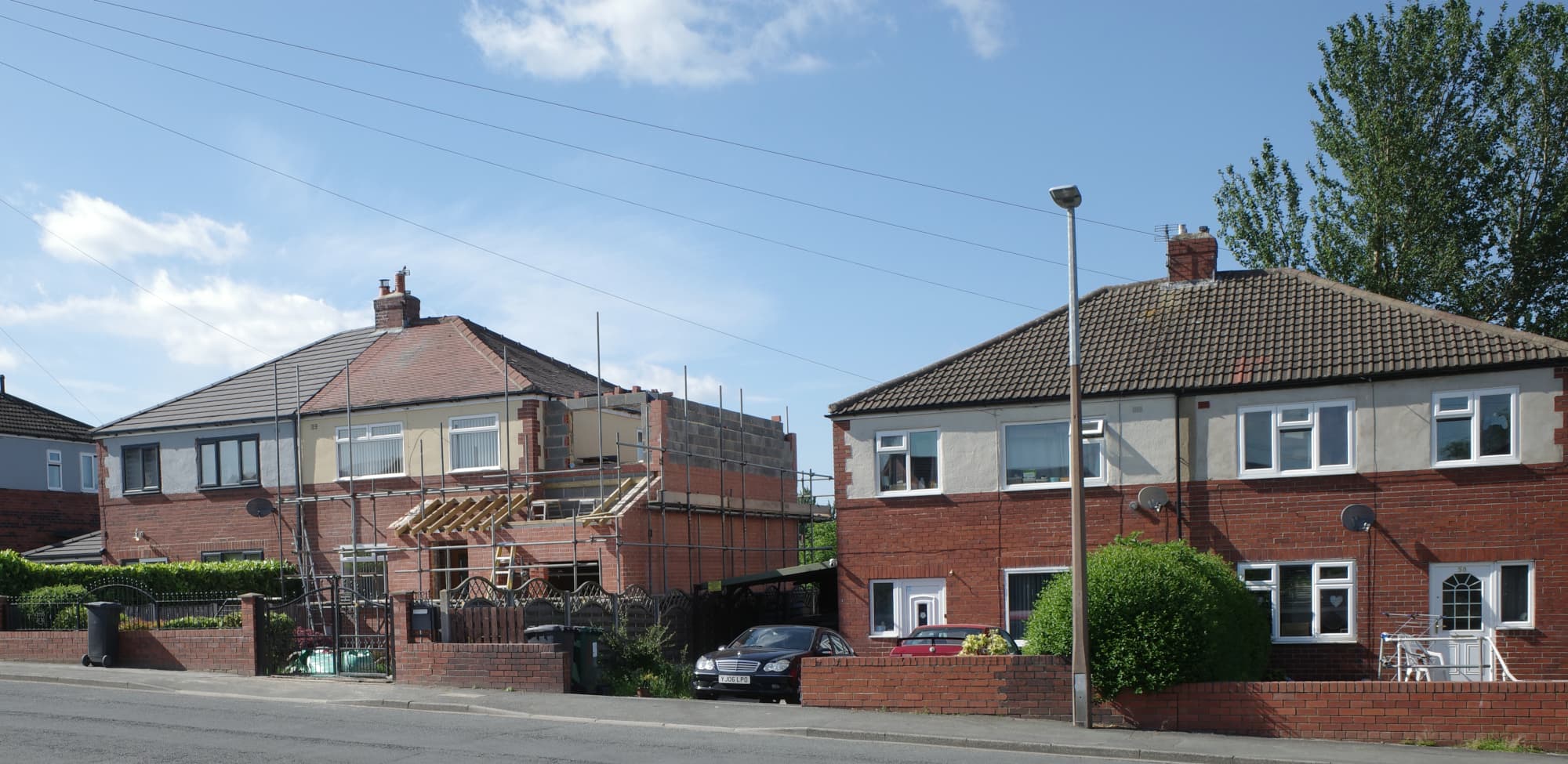
I have no building regs for my extension. Can I sell?
Yes, you can sell a home with work that was never signed off, and it happens in thousands of sales a year. There are two settled routes through it, an indemnity policy or a regularisation certificate, and the one thing that costs sellers money is picking up the phone to the council before deciding which route they want.

My buyer's survey found Japanese knotweed. What now?
Knotweed on a survey is a delay far more often than it is a dead sale, and the route through it is well worn. Since the RICS professional standard took effect on 23 March 2022, surveyors judge knotweed by whether it is being managed rather than by how close it grows to the house, and most lenders will proceed on a treatment plan from an accredited contractor backed by a 10 year guarantee.

When should I instruct my solicitor after an offer?
Instruct your solicitor the moment you have accepted an offer, ideally the same day, because getting the legal work moving early is the single biggest thing you can do to keep your sale on track. Instructing a solicitor is cheap and easily paused, so it is one of the few big steps you can safely take before your buyer has proved they are serious.
Should I reduce my asking price to attract buyers?
If your home has sat without offers, a well-judged price reduction is often the single most effective way to bring buyers back, and in mid-2026 you are far from alone in making one. The key is to reduce early and by a meaningful amount rather than in small, repeated drops, because today's market rewards homes that look sensibly priced from the start.

Should I use the solicitor my estate agent recommends?
You are never obliged to use the conveyancer your estate agent recommends, and it is worth pausing before you say yes. The recommendation can be perfectly good, but agents often receive a referral fee for it, which they must disclose to you, so the choice should be yours on the merits rather than made by default.
One agent valued my house much higher. Should I pick them?
A much higher valuation from one agent is common, and on its own it is not proof your home is worth more. The highest number is the easiest one for an agent to say and the hardest one to actually deliver, so treat it as a claim to be tested, not a prize to be grabbed.
A full-price offer on day one: accept it or hold out?
A fast offer at or near the asking price usually means your home was priced right and a ready buyer moved quickly, not that you set the price too low. Do not reject it on a hunch, but do slow down long enough to check the buyer is real and to weigh a solid offer in hand against the hope of a better one that may never come.

A buyer offered but needs to sell first. Should I accept?
Yes, you can accept an offer from a buyer who still has their own home to sell, and plenty of these sales complete happily. The trick is to judge the offer on how far along their own sale is, not on how keen they sound, and to keep your big decisions gated on real progress.

My buyer keeps delaying completion. Should I worry?
A completion date that shifts once or twice is common and usually down to solicitors, mortgage paperwork, or getting everyone in the chain onto the same day. It becomes a worry when the date keeps slipping with no clear reason, so the job is to find the cause and, if you have already exchanged, use the tools that force a firm date.

Should I sell my house now, or wait for a better market?
For most people, the right time to sell is when your own life is ready to move, not when you think you have called the top of the market. Trying to time house prices rarely beats a clear plan, and in mid-2026 the market is steady enough that a well-priced home is still selling.

My house has been on the market for months. What should I do?
A home that has sat unsold for months almost always comes down to one of three things: the price, how it shows in photos and viewings, or the agent behind it. All three are fixable, and in a market where Rightmove says 6 in 10 homes find a buyer, a stale listing is a solvable problem, not a dead one.

My buyer's mortgage was declined. What happens to my sale?
A declined mortgage does not automatically end your sale, and it happens more often than most sellers realise. Your buyer may still be approved by a different lender, so the first job is to find out why it was refused before you assume the worst.
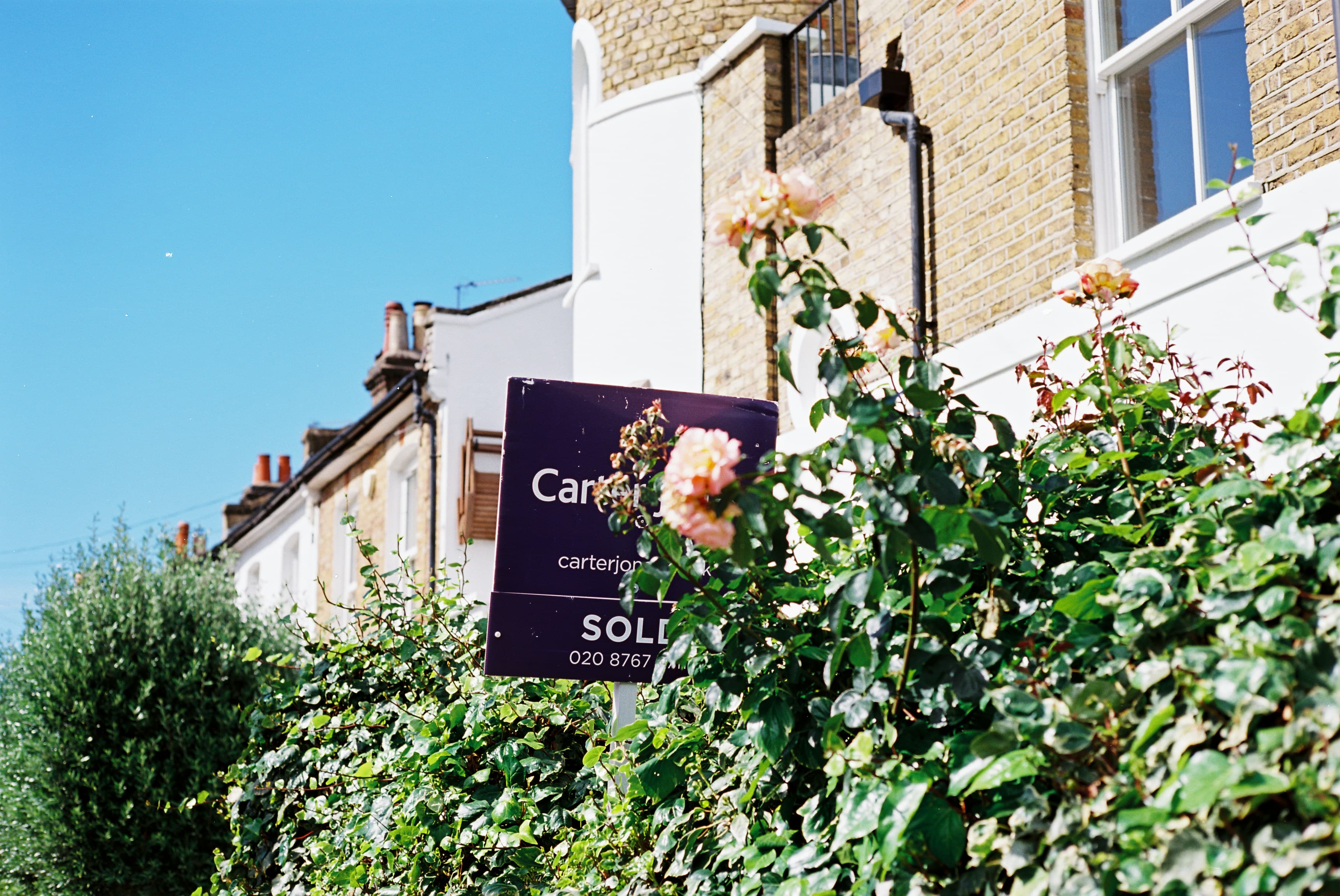
Should I accept a cash buyer or one with a mortgage?
A cash buyer usually means a faster, safer sale, because there is no mortgage that can be declined or down-valued along the way. But a higher offer from a mortgaged buyer can still be the better deal, so the choice comes down to how much certainty is worth to you against the size of the offer.
My buyer wants to wait for a cheaper mortgage rate. Should I?
If your buyer wants to hold off to grab a slightly lower mortgage rate, a short and dated pause is usually fine, but an open-ended one is not. The safe move is to let your own side keep moving, set a clear deadline, and read the buyer by what they have actually spent rather than what they say.

I'm getting viewings but no offers. What should I do?
Viewings without offers almost always points to one thing: the home is good enough to visit but something is stopping people committing, and nine times out of ten that something is the price or a repeated piece of feedback. The fix is to gather the feedback, test your price against real sold data, and act within a couple of weeks rather than waiting and hoping.

My buyer's solicitor keeps raising enquiries. Is that bad?
In almost all cases this is normal, not a warning sign. Raising enquiries is exactly what a buyer's solicitor is paid to do, and a long list usually means they are being thorough, not that your sale is in trouble.

How do I know if my buyer is actually serious?
You judge a buyer by what they have spent and instructed, not by what they say. A serious buyer books a survey, submits a mortgage application, and instructs a solicitor; a hesitant one keeps talking while spending nothing.
My buyer's mortgage offer is about to expire. What happens?
A buyer's mortgage offer running out rarely ends a sale. Most lenders will extend the offer or re-issue a fresh one when the buyer asks, so the usual result is a short delay, not a collapse.

My buyer wants to move in before completion. Should I?
In almost every case the safe answer is no, at least not before completion. Letting a buyer in early hands them the keys to a home they do not yet own or pay for, and it can be very hard to remove them if the sale then collapses.
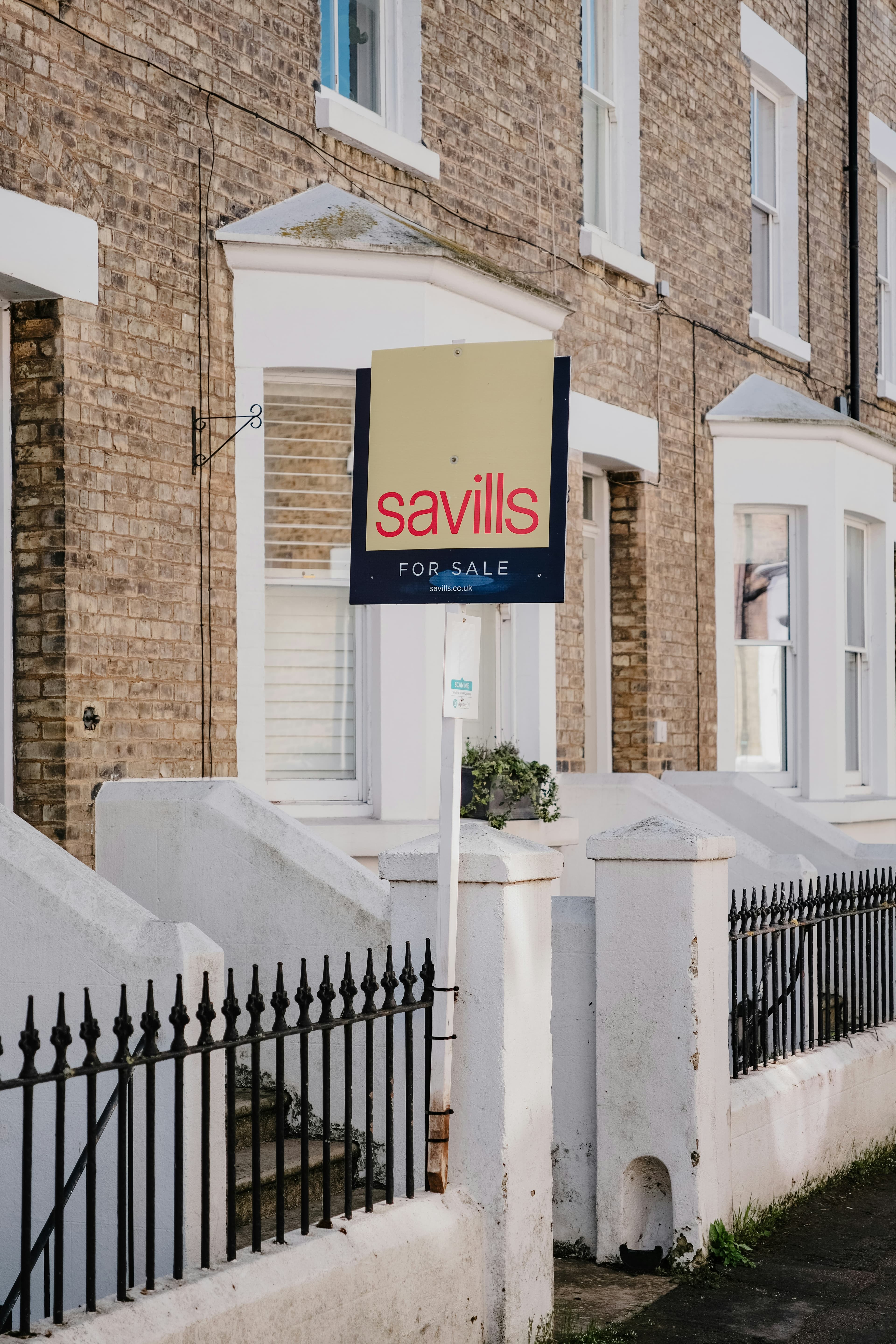
My estate agent wants me to drop the price. Should I?
If your agent is suggesting a price cut, it usually means your home has had time on the market without the offers you both hoped for. Sometimes that advice is exactly right, and sometimes it is a sign the home was valued too high at the start, so the way to decide is to look at the viewing and offer data, not the agent's opinion alone.

My buyer's survey flagged damp. What should I do?
A damp note on a survey is one of the most common findings in UK homes, and it is rarely the dealbreaker it feels like. The calm first move is to find out exactly which type of damp the surveyor saw before you agree to any price cut or any repair.

My buyer wants to drop the price after the survey. Should I?
A survey-driven request to cut the price is one of the most common moments in a sale, and it does not mean the deal is dead. Look at what the survey actually found, decide what it is fairly worth, and you stay in control of the number.

Should I take my house off the market when I accept an offer?
There is no rule that forces you to come off the market the moment you accept an offer, and the choice is yours. The safe move is to gauge how committed your buyer really is first, then come fully off the market once they have put their own money down.

My sale fell through. What do I do now?
A sale falling through is one of the most common setbacks in selling, and it is rarely the end of the road. Around a quarter of agreed UK sales collapsed in early 2026, so you are on a well-worn path, and a lost buyer does not change what your home is worth; it changes who ends up buying it.