A buyer offered below asking. Should I accept or hold out?
Published 11 June 2026 · 5 min read · By Evren Ergin
A below-asking offer is normal, not an insult, and in a flat market most homes change hands a little under their first asking price. Whether to accept comes down to three things you can check in an afternoon: how the offer compares to recent sold prices, how strong and ready the buyer is, and how long your home has been on the market.
TL;DR
- •An asking price is a starting point, so a lower offer is the beginning of a negotiation, not a rejection of your home.
- •Judge the offer against what similar homes nearby actually sold for, not against your asking price.
- •A slightly lower offer from a strong, ready buyer is often safer than a full-price offer from a weak one.
- •Around 24% of agreed UK sales fell through in early 2026, so who the buyer is matters nearly as much as the number they offer.
Advertisement

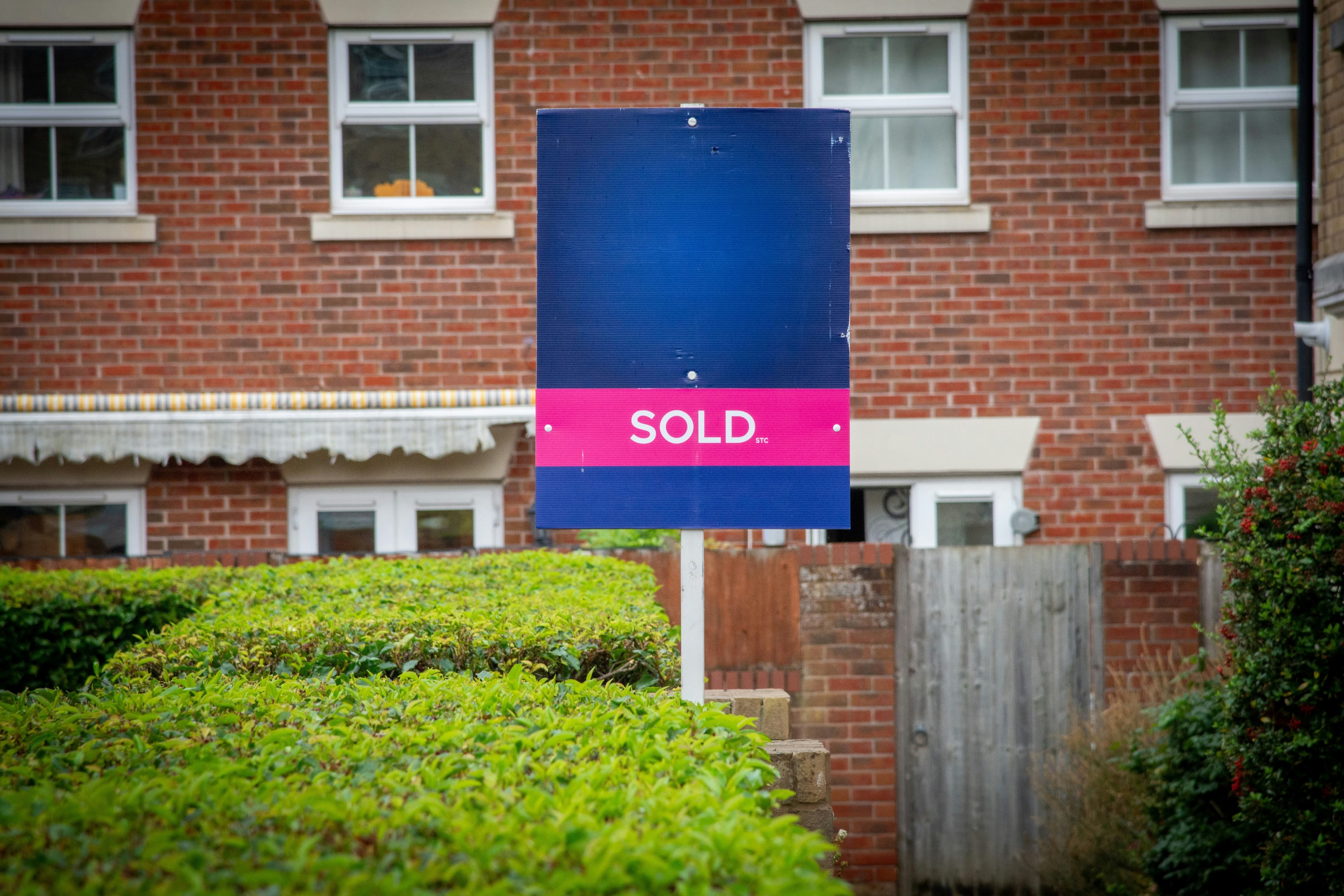
First, the reassuring part: a below-asking offer is one of the most normal moments in a sale. An asking price is the number you start at, and buyers expect a little room in it. The skill is not in refusing low offers on principle; it is in telling a sensible offer from a weak one, and a strong buyer from a risky one. Here is how to do both calmly.
What counts as a reasonable offer below asking?
A reasonable offer is one that sits close to what comparable homes near you have actually sold for, allowing for the current market. RICS reported on 11 June 2026 that the market is slow and broadly flat, which means buyers feel able to negotiate and sold prices often come in a little under the original asking figure. The asking price is your hope; the sold prices down your street are the evidence.
How do I decide whether to accept or hold out?
1. Compare the offer to sold prices, not your asking price
Look up what similar homes on your street or in your postcode sold for in the last six months. Judge the offer against those real figures, because that is the market the buyer is in too.
2. Work out the gap in pounds, not just percent
An offer 3% below a £350,000 asking price is about £10,500. Seeing the real number, rather than a scary-sounding percentage, makes the decision clearer.
3. Weigh how strong and ready the buyer is
A proceedable buyer is one who can complete now: a cash buyer, a first-time buyer, or someone who has already sold their own home. A buyer with a mortgage agreement in principle is stronger than one who has not spoken to a lender.
4. Factor in time on the market and viewings
If you have just listed and have viewings booked, you can hold firm. If the home has been on for weeks with little interest, a fair offer in hand is worth more than a higher one that may never come.
5. Counter, do not just say no
Most accepted sales land between the first offer and the asking price. A polite counter keeps a willing buyer in the room and signals you are negotiating, not refusing.
6. Decide with your net proceeds in mind
What lands in your pocket after estate agent fees, conveyancing and your mortgage payoff matters more than the headline price. Run the offer through a sale proceeds calculator before you answer.
What is normal, and what is a red flag?
Reading a below-asking offer
| Signal | Lean towards accepting | Lean towards holding out |
|---|---|---|
| Offer vs sold comparables | Within roughly 2-3% of recent sold prices | Well below what similar homes actually sold for |
| Buyer status | Chain-free or already sold, mortgage agreed in principle | Needs to sell first, no lender contact yet |
| Time on the market | Just listed, viewings still coming in | Weeks on the market with little interest |
| Your own timeline | You need to move or want certainty | No rush, and the price is clearly too low |
How do I protect myself once I accept?
An accepted offer in England and Wales is not legally binding until exchange of contracts, so the work is keeping a soft yes from going cold. Read a buyer's commitment by what they spend and instruct, not by what they say. Real commitment looks like a solicitor instructed, a mortgage application submitted and a survey booked. The phrase 'we love it' is not commitment.
- Line up your own solicitor early. It is cheap, keeps momentum, and costs you little if the sale stalls.
- Hold off on the bigger, harder-to-reverse spends and on telling the world it is sold until the buyer has put their own money down.
- Keep your agent pushing the buyer's side along, so a quiet patch does not quietly become a dead sale.
The decision is yours, start to finish. ValuQ gives UK homeowners free, side-by-side property valuations from competing local estate agents, so you can ground your asking price and your sense of a fair offer in real, competing evidence before you ever respond to a buyer.
Sources
- [1]Quick Move Now / TwentyCi Property and Homemover Report — fall-through analysis, Q1 2026 · 2026-04-24 · https://www.quickmovenow.com/
- [2]TwentyEA — property fall-through rate, Q1 2026 · 2026-04-16 · https://www.propertywire.com/news/property-fall-throughs-decline-to-23-7-in-early-2026/
- [3]RICS UK Residential Market Survey, May 2026 · 2026-06-11 · https://www.rics.org/news-insights/market-surveys/uk-residential-market-survey
Terms in this article
Plain-English definitions from the ValuQ property glossary.
Exchange of contracts
Exchange of contracts is the moment a sale becomes legally binding, when the two signed contracts are formally swapped and the deposit is paid.
First-time buyer
A first-time buyer is someone who has never owned a property, here or abroad.
Proceedable
A proceedable buyer is one in a position to move forward now: finance arranged and nothing to sell, or their own sale already agreed.
Cash buyer
A cash buyer can pay the full price without a mortgage.
RICS
RICS is the Royal Institution of Chartered Surveyors, the professional body that sets the standards UK surveyors and valuers work to.
Read next
Related insights
Small-deposit lending hit a 2008 high. What it means for sellers
My house sale is dragging on. Where is it actually stuck?
We're waiting for probate. How long before we can sell?
Complaints about new homes tripled. What it means if you own one
See every local agent on one screen.
Free for homeowners. Always. No cold calls. No data sales. No starting-line advantage for the fastest dialler in town.
Get your free anonymous valuationSellers and buyers never pay.