How to set the right asking price for your home
Published 31 May 2026 · Reviewed 14 October 2026 · 5 min read · By Evren Ergin
Set your asking price from recent sold prices for similar homes nearby, not from the highest figure an agent quotes to win your instruction. In autumn 2026 most homes sell a few per cent below asking, so price close to what the market will actually pay; over-price it and the home sits, then needs a cut that usually costs you more than getting it right from the start.
TL;DR
- •Base the price on sold prices, not asking prices, for similar homes in your area.
- •In August 2026, 86% of Propertymark member agents reported homes selling below asking, and the typical gap in early 2026 was 3.5%.
- •Zoopla found every 5% priced above the local average cuts the chance of selling by about 5%, and 52.8% of sellers who sold had to cut first.
- •Get more than one valuation side by side so a single inflated figure stands out instead of setting your expectations.
Advertisement

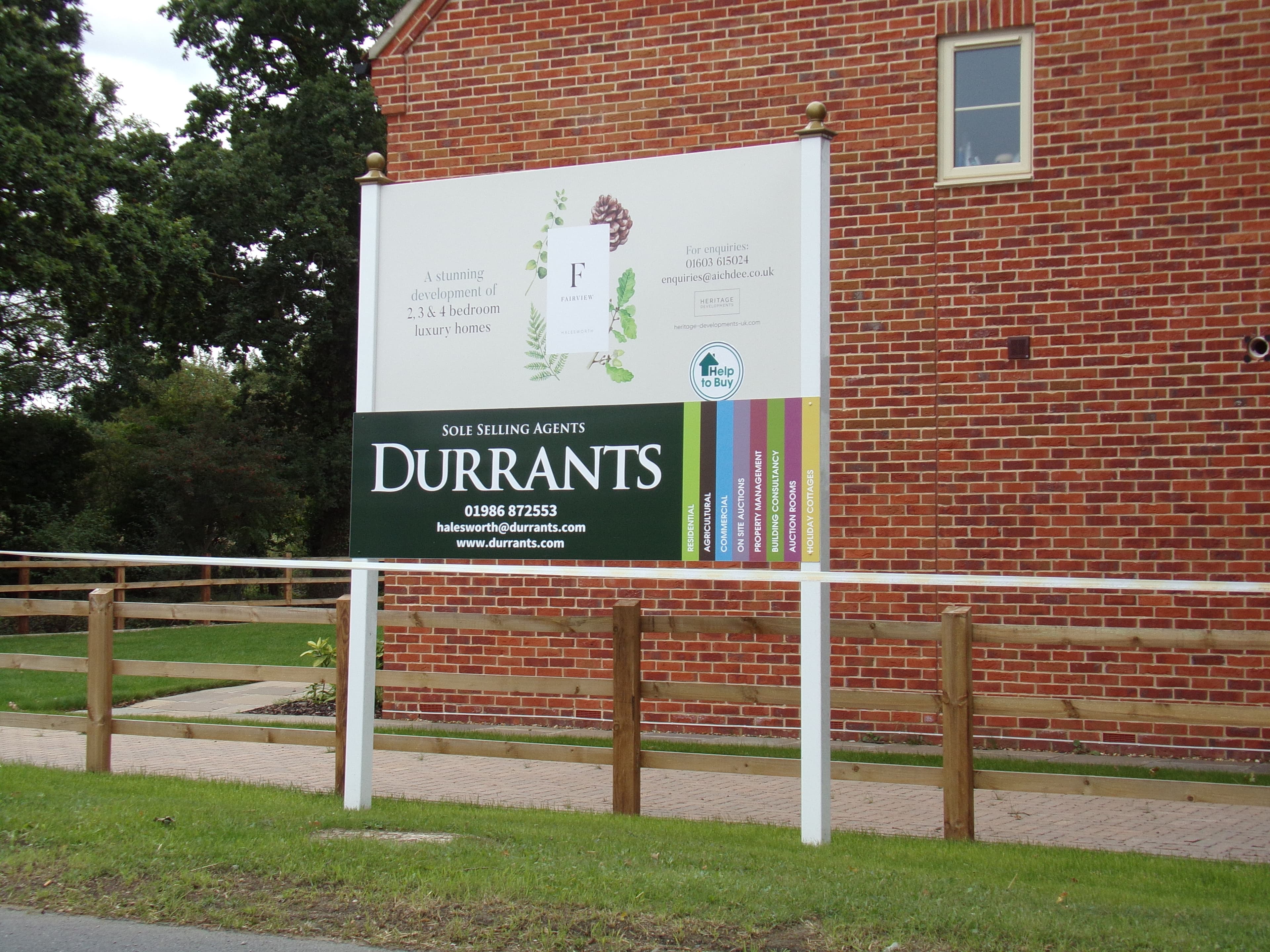
Your asking price is the figure your home is advertised at. The sale price is what a buyer actually pays. The gap between the two is where most selling mistakes happen, because the asking price is the one number you control and the one buyers judge you on first. Getting it right is less about ambition and more about evidence.
Why does the right asking price matter so much?
In autumn 2026 the asking price matters more than at any point this year. Zoopla's September index found 5% more homes for sale than a year earlier and 9% fewer sales agreed, with the typical mortgage rate at 5.2%, up from 4% in January. In Propertymark's August survey, 86% of member agents reported homes selling below asking price and only 9% at asking. In a market with more listings and fewer buyers, an over-ambitious price does not get tested by the market; it simply gets ignored.
What the autumn 2026 market is telling sellers
| Signal | Latest figure | Source |
|---|---|---|
| Average UK sold price | £273,000 (up 0.8% on a year) | Zoopla, September 2026 index |
| Homes for sale vs a year ago | 5% higher | Zoopla, September 2026 index |
| Sales agreed vs a year ago | 9% lower | Zoopla, September 2026 index |
| Agents reporting sales below asking | 86% | Propertymark, August 2026 |
| Typical gap between asking and sale price | 3.5% below asking | Zoopla, January to March 2026 |
| Sellers who had to cut before selling | 52.8% | Zoopla, published May 2026 |
How to set your asking price, step by step
1. Pull recent sold prices, not asking prices
Look up what similar homes near you actually sold for using the HM Land Registry UK House Price Index and portal sold-price data. Sold prices are evidence; asking prices are only hopes.
2. Adjust for the real differences
Compare like with like, then adjust up or down for size, condition, an extension, off-street parking, or the floor a flat sits on. A home two doors down is only a guide if it matches yours.
3. Get more than one valuation
Invite two or three agents to value the home and put their figures side by side. The point is not to collect the highest number; it is to see where the genuine consensus sits.
4. Interrogate the highest figure
If one valuation is well above the others, ask that agent to show the comparable sold properties behind it. A price with no evidence is a pitch to win your instruction, not a forecast of what a buyer will pay.
5. Set the price within the band buyers search
Pick a figure slightly above your target sale price to leave room to negotiate, but keep it inside the price filter buyers actually use, such as under £400,000 rather than at £405,000.
6. Watch the first two weeks
The first fortnight brings your most motivated buyers. If viewings are thin and no offers come, act early with a considered adjustment rather than waiting for a forced cut months later.
What happens if you over-price?
An over-priced home does the opposite of what the seller hopes. It draws fewer viewings, lingers while newer listings look fresher beside it, and eventually forces a reduction. By then buyers have seen it sit, and a reduced price reads as a home with a problem rather than a bargain. A home priced correctly from day one usually sells faster and for more than one that chases the market down in stages.
How much does over-pricing cost your chances of selling?
More than most sellers expect. Zoopla found that for every 5% a home is priced above the local average for its size and type, the chance of selling falls by about 5%, and at 10% above, by about 10%. Across the past three years only 56% of listed homes sold at all, and 52.8% of the sellers who did sell had to reduce their price first.
How many valuations should you get?
Two or three is the practical answer. One figure on its own gives you nothing to test it against, and the temptation is to believe the highest. Seeing valuations together is what protects you, because an inflated number stands out instantly next to two grounded ones. ValuQ gives UK homeowners free, side-by-side property valuations from competing local estate agents, which is built on a simple belief: the best agent should win on the quality of their valuation and strategy, not on quoting the highest figure to win the listing and pushing a cut later.
Sources
- [1]HM Land Registry: UK House Price Index · 2026-05-21 · https://landregistry.data.gov.uk/app/ukhpi/
- [2]Zoopla House Price Index: September 2026 · 2026-10-01 · https://www.zoopla.co.uk/discover/property-news/house-price-index/
- [3]Zoopla for Business: Half of UK homes aren't selling · 2026-05-14 · https://business.zoopla.co.uk/why-half-of-uk-homes-arent-selling
- [4]Property Industry Eye: Most homes selling below asking price as buyers gain negotiating power (Propertymark, August 2026) · 2026-10-14 · https://propertyindustryeye.com/most-homes-selling-below-asking-price-as-buyers-gain-negotiating-power/
- [5]Propertymark Housing Insight Report: August 2026 · 2026-10-12 · https://www.propertymark.co.uk/resource/housing-insight-report-august-2026.html
Terms in this article
Plain-English definitions from the ValuQ property glossary.
Read next
Related insights
Does a good school nearby add value to my house?
Should I price my house on what I need for my next one?
House prices now falling in 1 in 3 areas of Britain
What happened to house prices after the last nine Budgets?
Is your asking price where it should be?
ValuQ gives UK homeowners free, side-by-side property valuations from competing local estate agents. Anonymous until you choose. No cold calls.
Get your free anonymous valuationSellers and buyers never pay.