I've viewed loads of houses and none feel right
Published 12 August 2026 · 6 min read · By Evren Ergin
Viewing fatigue is normal, it is measurable, and it usually means your brief needs rewriting rather than that the right house does not exist. New survey data published on 12 August 2026 found excitement peaks around the fourth or fifth viewing and stress climbs steadily after the tenth, so if everything has started to blur, you are exactly where the data says you would be.
TL;DR
- •A survey of first-time buyers by property law firm LPL found excitement peaked at 47% around viewings four and five, then fell to 30% by viewings six to ten.
- •Stress moved the other way: 10% at the first viewing, 20% by viewings six to ten, and 33% for those who had seen more than ten homes.
- •There is no shortage of homes to choose from. Sprift recorded 209,941 new listings against 114,561 sales agreed across Great Britain in July 2026, with 748,652 properties on the market.
- •The fix is almost always to cut viewing volume and raise viewing quality: rewrite the brief, separate must-haves from nice-to-haves, and let agents bring you matches rather than trawling portals yourself.
Advertisement

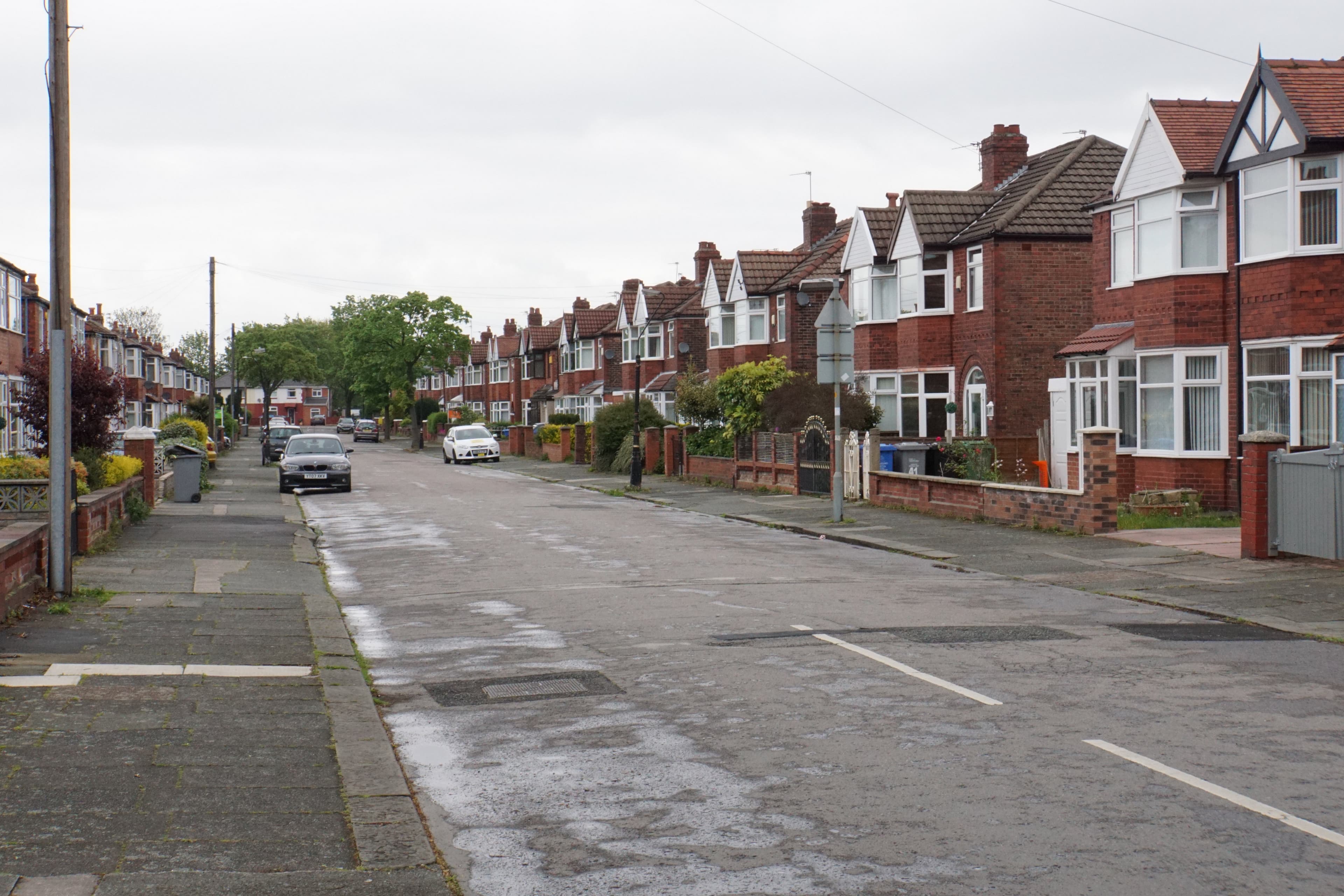
If you have seen twelve houses and liked none of them, nothing has gone wrong with you. What the new data shows is a predictable arc, and knowing where you sit on it is the first step to getting off it.
How many viewings is normal before buying?
There is no fixed number, and anyone who gives you one is inventing it. What there is now is evidence about how buyers feel as the count rises. Property law firm LPL's first-time buyer research, reported on 12 August 2026, tracked excitement and stress against the number of homes viewed.
How buyers feel as the viewing count rises (LPL first-time buyer research, reported 12 August 2026)
| Viewings so far | Feeling excited | Feeling stressed |
|---|---|---|
| At the start of the search | 20% | 10% at the first viewing |
| Four to five viewings | 47% | Still low |
| Six to ten viewings | 30% | 20% |
| Eleven to twenty viewings | 25% | 33% among those past ten |
| More than twenty viewings | Falls away sharply | Highest |
Louise Stephens-Pantoja, head of operations at LPL, summarised it: "It is clear that signs of stress and frustration can creep in the longer that search goes on." The useful reading is that viewings four and five are the sweet spot, and that a search running well past ten is a signal to change method rather than to try harder.
Have I missed the right house?
Almost certainly not, and the stock figures say so. Sprift's July 2026 market data, reported on 11 August 2026, recorded 209,941 new listings against 114,561 sales agreed in the month, with 748,652 properties on the market across Great Britain and an average of 155 days on market.
Zoopla's July 2026 House Price Index, published on 30 July 2026, showed sales agreed down 9% on the year, with the average UK property at £271,900 and annual growth of 1.3%. More homes are arriving than are being sold. Time is not against you in the way it feels at viewing number twelve.
A search that has stopped working is usually a brief that was never written down.
How do I reset a search that has stalled?
1. Stop viewing for a week
Book nothing new for seven days. Every home you see while fatigued gets judged against the last one rather than against what you actually want, which is how good houses get dismissed.
2. Write the brief down properly
Put it on one page: the three things the home must have, the three you would like, and the one thing you will never accept. If you cannot fill the must-have list in five minutes, that is the real reason nothing feels right.
3. Check your numbers before you look again
Work out what you can actually borrow and what the monthly payment would be at today's rates. Plenty of stalled searches are people viewing a price band that was never going to work, or refusing a band that would have worked fine.
4. Look at what you rejected and find the pattern
List the last six homes you turned down and the real reason for each. If five of them share a fault, that fault belongs in the brief. If the reasons are all different, the problem is the brief, not the houses.
5. Give agents the brief instead of the portal filters
Portal filters match on price, bedrooms and postcode. A local agent who has your one-page brief can tell you about a home before it is listed and can rule out three that would have wasted your Saturday.
6. Cut the viewing count and raise the standard
Two well-matched viewings in a month beat eight speculative ones. Ask for the floorplan, the EPC and the reason the seller is moving before you agree to go, and decline anything that fails the brief on paper.
7. Second-view a rejection
Go back to the strongest home you passed on, if it is still available. Buyers frequently find that the house they dismissed at viewing eleven was fine, and that the problem was the eleven.
What if nothing on the market matches my brief?
Then the brief and the budget are in conflict somewhere, and it is better to find out which than to keep viewing. Take the one constraint you have never questioned, usually the area or the bedroom count, and test what happens to the available homes if it moves by one notch.
- Widen the area by a mile or one stop on the line and see what appears at the same price.
- Trade a bedroom for a location, or a location for a garden, deliberately rather than by accident.
- Look at homes that have been on the market a while. With 31.3% of listings nationally already reduced in July 2026, patience has a price attached to it and it is often the buyer's gain.
- Ask what the seller actually needs. A flexible completion date can be worth more to them than a few thousand pounds and can put you ahead of a better-funded buyer.
How do I know when a house is the one?
It generally is not a feeling. The homes buyers stay happy in tend to be the ones that met the written brief, survived a second viewing at a different time of day, and still made sense once the monthly cost was on paper.
If a home clears those three and you are still hesitating, hesitate for a specific reason and write it down. A named doubt can be checked. An unnamed one just keeps you viewing.
Is it bad to view a house more than once?
No, and second viewings are where most real decisions get made. Go at a different time of day, in different weather if you can, and take someone who is not emotionally invested.
Should I take a break from house hunting?
If you are past ten viewings and everything is blurring, yes. The LPL research shows a third of buyers past that point report stress, and stressed buyers either buy the wrong home or reject the right one.
Do estate agents mind if I ask them to filter for me?
Good ones prefer it. An agent who knows exactly what you want spends less time on unsuitable viewings, and you get told about homes before they hit the portals.
Is it worth waiting for prices to fall?
Timing the market is a guess, and nobody at ValuQ or anywhere else can tell you where prices go next. What is knowable is your own position: what you can borrow, what the monthly payment is, and how long you are prepared to keep searching.
Where does ValuQ fit in?
ValuQ gives UK homeowners free, side-by-side property valuations from competing local estate agents, and buyers can set their requirements once and have local agents send back matching properties rather than searching alone. Whichever route you use, the principle is the same: see the full picture before you commit to anything, and stay in control of when the conversation starts.
Sources
- [1]Property Industry Eye, How many home viewings before the stress kicks in? (LPL first-time buyer research) · 2026-08-12 · https://propertyindustryeye.com/how-many-home-viewings-before-the-stress-kicks-in/
- [2]Property Industry Eye, New listings outpaced sales agreed in July (Sprift Sales Market Intelligence Report) · 2026-08-11 · https://propertyindustryeye.com/new-listings-outpaced-sales-agreed-in-july/
- [3]Mortgage Solutions, House price inflation at 1.3% as market slows over summer (Zoopla House Price Index, July 2026) · 2026-07-30 · https://www.mortgagesolutions.co.uk/mortgage-news/2026/07/30/house-price-inflation-at-1-3-as-market-slows-over-summer-zoopla/
- [4]Property Industry Eye, Estate agents face longest wait on record to get paid (Rightmove, 216 days) · 2026-07-31 · https://propertyindustryeye.com/estate-agents-face-longest-wait-on-record-to-get-paid/
Terms in this article
Plain-English definitions from the ValuQ property glossary.
First-time buyer
A first-time buyer is someone who has never owned a property, here or abroad.
Completion date
The completion date is the contractual day the sale must complete, fixed at exchange and binding on both sides.
Time on market
Time on market is how long a property has been listed without selling, visible to every buyer through portal history.
Floorplan
A floorplan is the scale diagram of a property's layout and room sizes included in the listing.
Read next
Related insights
Can I switch estate agent while my house is on the market?
Can my estate agent use AI to edit photos of my house?
A buyer wants to film my house at the viewing. Should I let them?
How do I know if my estate agent is doing enough?
What would competing local agents say your home is worth?
ValuQ gives UK homeowners free, side-by-side property valuations from competing local estate agents. Anonymous until you choose. No cold calls.
Get your free anonymous valuationSellers and buyers never pay.