My agent already has a buyer. Should I sell off-market?
Published 27 July 2026 · 7 min read · By Evren Ergin
An agent who says they already have a buyer may well be telling the truth, and a quiet sale can be a perfectly good sale. The question to settle before you agree is whether one buyer, chosen by your agent, will pay what several competing buyers would.
TL;DR
- •Selling off-market means agreeing a sale before the property is openly advertised, so only the buyers your agent knows about get a chance to bid.
- •TwentyEA research published on 15 October 2025 found 15.8% of homes in England and Wales sold off-market between 2022 and 2024, falling to 11.4% in 2024.
- •The same research found only 6.7% of homes under £1m sold off-market, against 20.1% of homes over £1m, so it is far less common at ordinary price points.
- •You do not have to choose between the two. A short open-market launch tests the price, and the existing buyer is still there afterwards if they are serious.
Advertisement

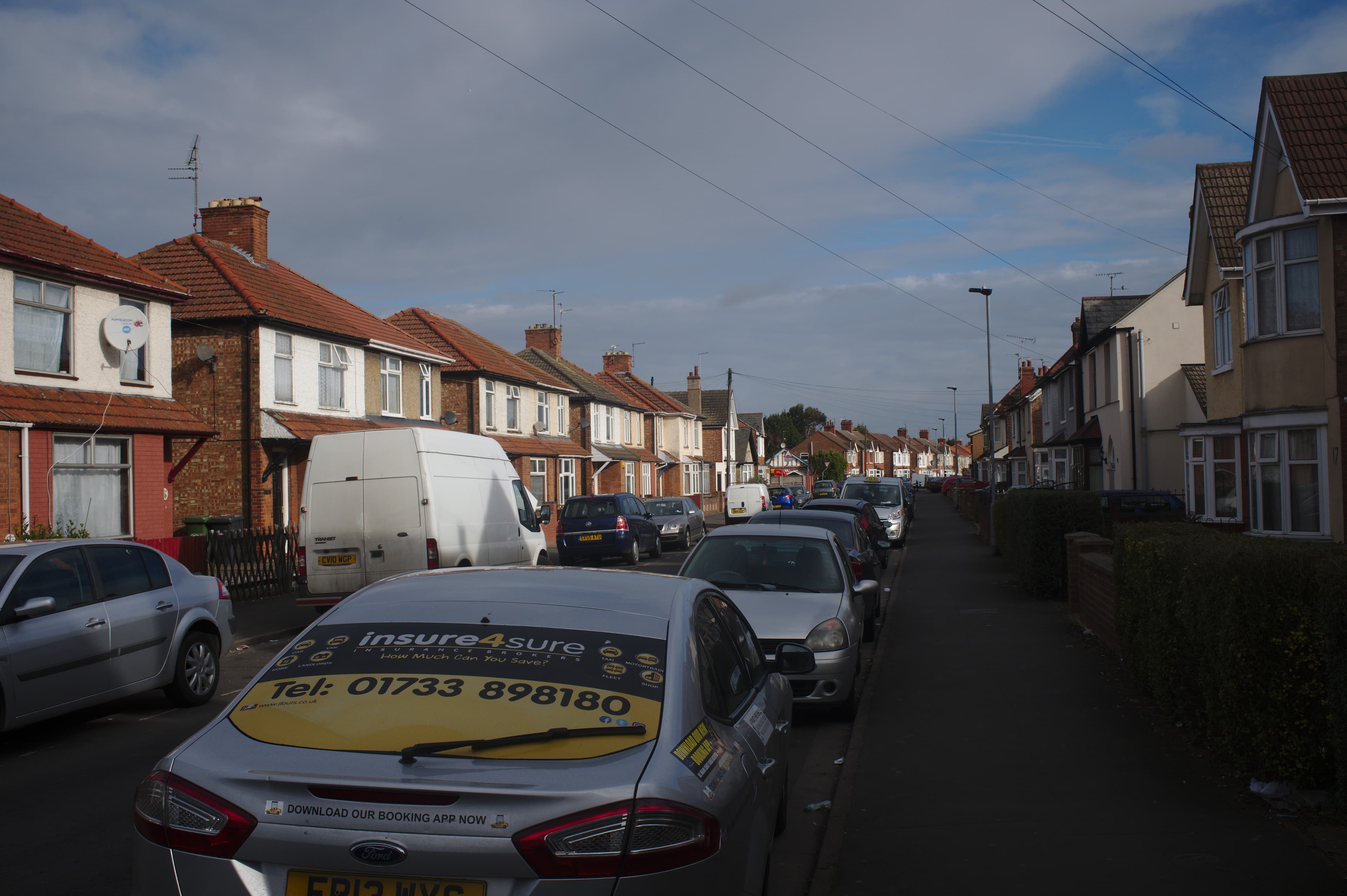
It usually arrives as good news. Your agent says they have someone on their books who has been looking for a house like yours for months, is ready to go, and will pay a fair price without the property ever needing to appear online. No viewings from strangers, no board outside, no waiting.
It might be exactly that. It is also the one moment in a sale where you are asked to accept a price without ever finding out what the market would have said.
What does selling off-market actually mean?
An off-market sale is one agreed before the property is publicly advertised on the portals. The home is shown to a small number of buyers the agent already knows, and a price is agreed privately.
The alternative is an open-market sale, where the property is listed publicly, anyone can book a viewing, and buyers know they are competing. Those two routes produce prices in very different ways, which is the heart of the decision.
How common is it to sell off-market?
Less common than the pitch usually implies, and it has been falling. Research by the property data firm TwentyEA, reported on 15 October 2025, measured how many homes in England and Wales sold without ever being openly advertised.
Share of homes in England and Wales sold off-market. TwentyEA research, reported 15 October 2025.
| Measure | Share sold off-market |
|---|---|
| All homes, 2022 to 2024 | 15.8% |
| 2022 | 17.8% |
| 2023 | 17.2% |
| 2024 | 11.4% |
| Homes priced under £1m, 2022 to 2024 | 6.7% |
| Homes priced over £1m, 2022 to 2024 | 20.1% |
The price-band split is the number worth sitting with. Off-market selling is largely a top-end practice, where discretion is the point and the buyer pool is small anyway. At ordinary price points fewer than 1 in 14 homes went that way, because ordinary homes need buyers to know they exist.
TwentyEA's executive director Katy Billany made the same point about current conditions, saying that in a buyers' market sellers need a full marketing package, professional photography, portal listings and active promotion.
Why would my agent prefer an off-market sale?
Often for reasons that genuinely suit you. Sometimes for reasons that suit them. Both can be true at once, and neither makes your agent dishonest.
- It is quicker and cheaper for the agency. No photography, no portal listing, no open viewings, and a fee earned in days rather than months.
- It keeps a registered buyer happy, and a buyer who has lost out three times is a buyer the agency wants to place.
- It can be the right call for a seller who needs privacy, has tenants in place, or does not want the sale known locally.
- It suits an unusual property where the realistic buyer pool is small and the agent already knows most of it.
Ask the question directly and without accusation. An agent with a good answer will give you one.
One buyer sets a price you can accept or refuse. Several buyers set a price the market agrees with. Those are not the same number.
How do I test the offer before I accept it?
1. Get valuations from other local agents first
Your own agent's valuation and the offer they have brought you come from the same place. Independent valuations from competing agents who know your street give you a second and third reading of the same property.
2. Ask how the buyer was found and what they have already done
A buyer who has sold their own home, has a mortgage agreed in principle, and is working to a deadline is a real buyer. A name on a mailing list is not the same thing, and you are entitled to know which one you are dealing with.
3. Ask whether the agency has any interest in the sale
Section 21 of the Estate Agents Act 1979 requires an agent to disclose a personal interest, which includes a buyer connected to the firm or its staff. Ask in writing whether anyone at the agency is connected to this buyer, and whether the agency earns anything from the buyer's mortgage or conveyancing.
4. Agree a short open-market launch as a test
Two weeks of full marketing costs you very little and tells you what you need to know. Ask the existing buyer to hold their offer while you do it. Their answer to that request is itself useful information.
5. Compare on net proceeds, not headline price
Work out what you actually walk away with under each route once fees, conveyancing, and any mortgage charges come off. A slightly lower off-market price with a faster completion can still be the better outcome, but only if you have done the sum.
6. Get any exclusivity in writing and keep it short
If you agree to hold the property off the market while the buyer proceeds, put a time limit on it. An open-ended private arrangement takes your options away without giving you anything in return.
What does an open-market launch cost me?
Time, mostly, and less of it than people expect at the front end. Marketing photographs and a listing go live within days. The long part of a sale sits after the offer, not before it.
Connells Group research published on 11 May 2026 put the average time from an offer being accepted to exchange of contracts in Great Britain at 104 days in April 2026. Two weeks of open marketing is a small share of that timeline, and it is the part of the process that decides your price.
It is fair to weigh the market against it. Zoopla's House Price Index published on 30 June 2026 reported buyer enquiries running around 15% below a year earlier and sales agreed down 7%, with the average UK house price at £271,900. Fewer buyers are looking, so a genuine one has value. That is an argument for treating your existing buyer well, not for skipping the test.
When is an off-market sale the right choice?
- You have a real reason for privacy, such as a separation, a bereavement, or tenants who should not learn about it from a portal.
- The offer already sits at or above what independent local valuations say the property is worth.
- The property is unusual enough that open marketing would not reach a materially bigger pool of buyers.
- Speed is worth more to you than the last few percent, and you have measured how much that is in pounds.
In each of those cases you are choosing off-market with the open-market figure in your hand. That is the difference between a private sale and a missed one.
ValuQ gives UK homeowners free, side-by-side property valuations from competing local estate agents, so you can see what your home is worth before you answer an offer rather than afterwards. Compare first, then connect with whoever you choose. Sellers and buyers never pay.
Sources
- [1]TwentyEA research on off-market sales, reported by Property Industry Eye · 2025-10-15 · https://propertyindustryeye.com/one-in-six-homes-sold-off-market-new-data-reveals/
- [2]Connells Group: conveyancing delays push time to exchange contracts past 100 days · 2026-05-11 · https://www.connellsgroup.co.uk/news/2026/05/11/conveyancing-delays-push-time-to-exchange-contracts-past-100-days/
- [3]Zoopla House Price Index, June 2026 · 2026-06-30 · https://www.zoopla.co.uk/discover/property-news/house-price-index/
- [4]Estate Agents Act 1979, section 21: disclosure of personal interest · 1979-04-04 · https://www.legislation.gov.uk/ukpga/1979/38/section/21
Terms in this article
Plain-English definitions from the ValuQ property glossary.
Exchange of contracts
Exchange of contracts is the moment a sale becomes legally binding, when the two signed contracts are formally swapped and the deposit is paid.
Off-market sale
An off-market sale is a home sold without ever being publicly advertised, offered privately to selected buyers instead.
Buyer registration
Buyer registration is how house-hunters sign up with an agent to hear about matching homes, sometimes before they are listed.
Read next
Related insights
Buyer demand improved again. Fewer homes are queueing behind it.
I've had two offers on my house. Which one do I take?
I'm on a cheap fixed rate. Do I lose it if I sell?
Small-deposit lending hit a 2008 high. What it means for sellers
See every local agent on one screen.
Free for homeowners. Always. No cold calls. No data sales. No starting-line advantage for the fastest dialler in town.
Get your free anonymous valuationSellers and buyers never pay.