Small-deposit lending hit a 2008 high. What it means for sellers
Published 9 September 2026 · 5 min read · By Evren Ergin
On 8 September 2026 the Bank of England reported that 8.4% of new mortgage lending in the second quarter went to buyers borrowing more than 90% of a property's value, the highest share since the second quarter of 2008. For a seller, that means the pool of people who can afford your home is wider than it was a year ago, and more of those buyers are relying on the lender's valuation to get over the line.
TL;DR
- •8.4% of new mortgage lending between April and June 2026 was above 90% loan to value, the highest share in 18 years, according to Bank of England figures published on 8 September 2026.
- •New mortgage lending reached £77.4bn in the quarter, 31.7% higher than the same three months a year earlier.
- •Mortgage balances in arrears fell to £19.7bn, the lowest since the third quarter of 2023, so heavier borrowing has not yet turned into heavier distress.
- •For sellers the wider buyer pool comes with one condition: a small-deposit buyer needs the lender's valuation to match the price you agreed.
Advertisement

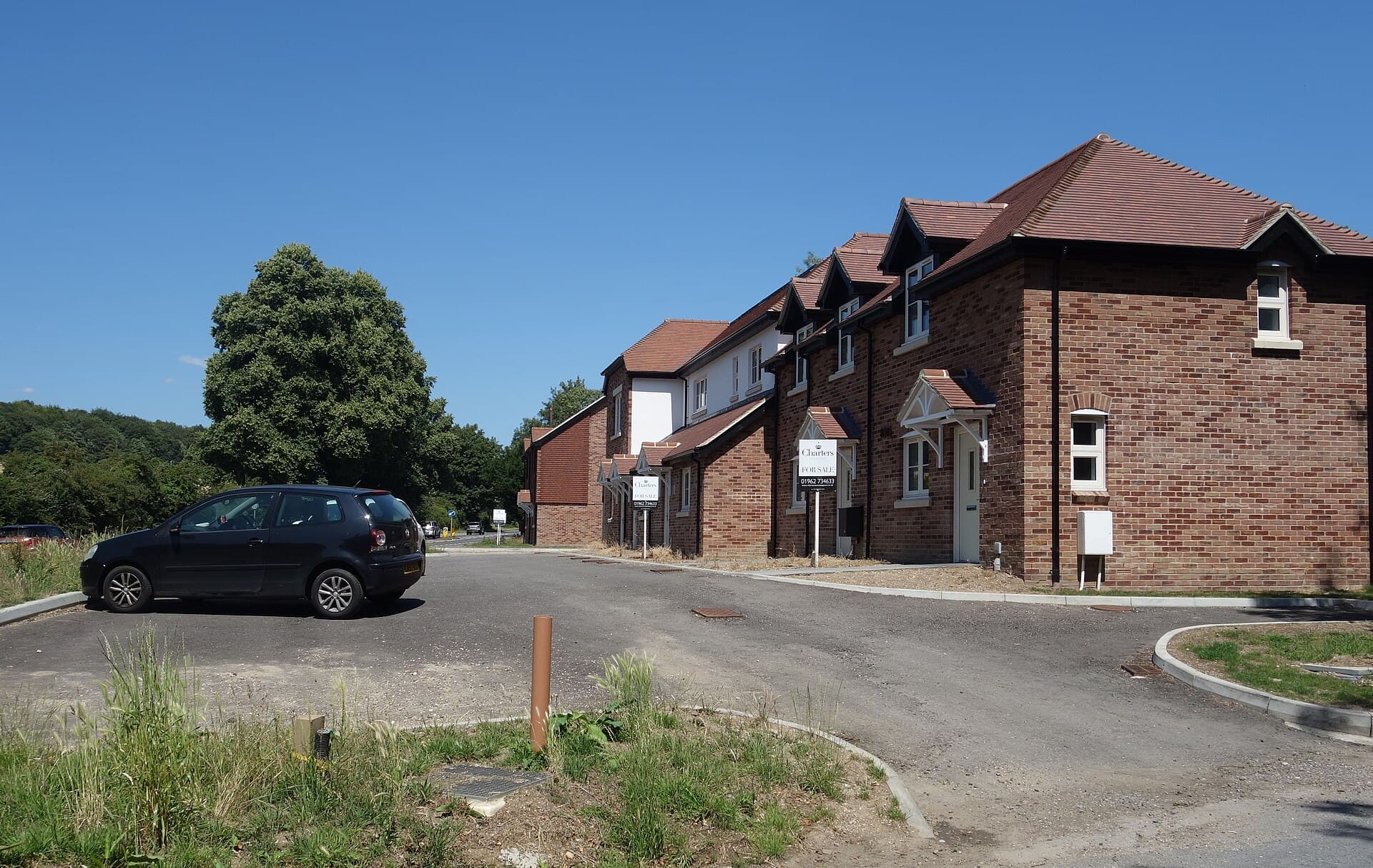
Loan to value is the share of a property's price that a buyer borrows from a lender. A buyer putting down a 5% deposit is borrowing 95% of the price, which is a 95% loan to value. On a home selling at £275,000 that is a deposit of £13,750 and a mortgage of £261,250.
What did the Bank of England actually report?
The Bank publishes a quarterly return covering every regulated mortgage lender in the UK. The release for April to June 2026 came out on 8 September 2026 and showed the small-deposit share of new lending at its highest since 2008.
Source: Bank of England, Mortgage Lenders and Administrators Statistics 2026 Q2, published 8 September 2026. Prior-period figures derived from the changes stated in that release.
| Measure, April to June 2026 | Latest | Previous quarter | A year earlier |
|---|---|---|---|
| Share of new lending above 90% loan to value | 8.4% | 8.0% | 7.0% |
| Share of lending at a high loan-to-income ratio | 46.0% | 45.1% | 41.4% |
| Value of new mortgage lending | £77.4bn | £69.7bn | £58.8bn |
| Mortgage balances in arrears | £19.7bn | not stated | £21.3bn |
Two of those lines move together. More buyers are borrowing above 90% of the price, and close to half of all new lending now goes to borrowers stretching their income further than the standard multiple. Both point the same way: buyers are working harder to reach the price.
Why are more buyers borrowing with small deposits?
- Lenders have widened the range of 90% and 95% products, which is what the Bank's own figures are measuring.
- Deposits have not kept pace with prices. Nationwide reported annual house price growth of 1.6% in August 2026, published on 1 September 2026, so the target keeps moving even in a flat market.
- Arrears are falling, which gives lenders room to take on higher loan-to-value business without the risk showing up in their books yet.
- Rachel Springall of Moneyfactscompare, quoted on 9 September 2026, described low-deposit borrowing as having become vital to how people get on the ladder at all.
What does a wider buyer pool mean for your sale?
- More households can now make an offer at your asking price than could a year ago, particularly at the first-time-buyer end of the market.
- A first-time buyer with a 95% mortgage has no chain behind them, which removes one of the most common reasons a sale collapses.
- The trade-off is that the lender's surveyor becomes the deciding voice. When a buyer has only 5% down, there is no spare cash to bridge a gap if the valuation comes in under the agreed price.
- Buyers stretching on income are more exposed to a rate change between offer and completion, which is a reason to keep the timeline tight rather than a reason to refuse the offer.
Is a small-deposit buyer riskier than a big-deposit buyer?
Not automatically. Deposit size tells you how much room a buyer has if something goes wrong, not how committed they are. Commitment is measured by what a buyer has instructed and paid for.
| Signal from a small-deposit buyer | What it usually means |
|---|---|
| A full mortgage application submitted, not just an agreement in principle | The lender has the case and the valuation is being booked |
| A solicitor instructed and paid on account | Real money is committed and the file is open |
| A survey booked in their own name | They are spending on a property they intend to buy |
| Still only holding an agreement in principle after several weeks | Nothing has been underwritten yet, so treat the sale as unconfirmed |
| Deposit described as arriving later from a source they cannot name | Ask your agent to have the funds evidenced before you spend on your own move |
Deposit size sets the margin for error. What a buyer has already paid for sets the odds.
What should a seller do about it?
- Price to the evidence. A small-deposit buyer cannot rescue an asking price the sold prices on your street do not support, because the lender's valuer works from those same sales.
- Ask your agent to qualify the offer properly: deposit amount, source of the deposit, lender, and whether a full application has gone in.
- Keep your own spending in step with the buyer. Instructing a solicitor early is cheap and keeps momentum. Larger irreversible costs are better held back until the buyer's mortgage application and survey are underway.
- Have your paperwork ready before the valuer visits. Building regulations sign-offs, warranties and guarantees all support the value the surveyor puts on the property.
- If a valuation does come in low, ask for the comparable sales the surveyor used before deciding anything. A challenge with better evidence is a normal part of the process.
Where does this leave the market?
Lending volumes are up almost a third on the year while arrears are at a three-year low. That combination describes a market where more people can buy and fewer existing borrowers are struggling, which is a better backdrop for a seller than the headline growth rate of 1.6% suggests on its own.
ValuQ gives UK homeowners free, side-by-side property valuations from competing local estate agents, so you can see what multiple local agents think your home is worth, and what they would price it at, before you commit to any of them. Comparing that evidence first is what keeps a valuation grounded in the sales a lender's surveyor will also be reading.
Sources
- [1]Bank of England, Mortgage Lenders and Administrators Statistics 2026 Q2 · 2026-09-08 · https://www.bankofengland.co.uk/statistics/mortgage-lenders-and-administrators/2026/2026-q2
- [2]Property Industry Eye, Low-deposit mortgage lending hits 18-year high · 2026-09-09 · https://propertyindustryeye.com/low-deposit-mortgage-lending-hits-18-year-high/
- [3]Nationwide House Price Index, August 2026 · 2026-09-01 · https://www.nationwide.co.uk/media/hpi/
Terms in this article
Plain-English definitions from the ValuQ property glossary.
Read next
Related insights
My house sale is dragging on. Where is it actually stuck?
We're waiting for probate. How long before we can sell?
Complaints about new homes tripled. What it means if you own one
No viewings in the first week. Is that normal?
See every local agent on one screen.
Free for homeowners. Always. No cold calls. No data sales. No starting-line advantage for the fastest dialler in town.
Get your free anonymous valuationSellers and buyers never pay.