Should I accept a cash buyer or one with a mortgage?
Published 7 July 2026 · 5 min read · By Evren Ergin
A cash buyer usually means a faster, safer sale, because there is no mortgage that can be declined or down-valued along the way. But a higher offer from a mortgaged buyer can still be the better deal, so the choice comes down to how much certainty is worth to you against the size of the offer.
TL;DR
- •A true cash buyer removes two of the biggest risks in a mortgaged sale: a declined mortgage and a down-valuation.
- •Cash buyers made up about 35% of UK purchases in 2026, so this is a real choice for many sellers.
- •A mortgaged buyer is not weak; a large deposit and a mortgage offer in hand can be just as safe.
- •Ask for proof of funds either way, and judge every buyer on what they have actually put in place, not what they say.
Advertisement

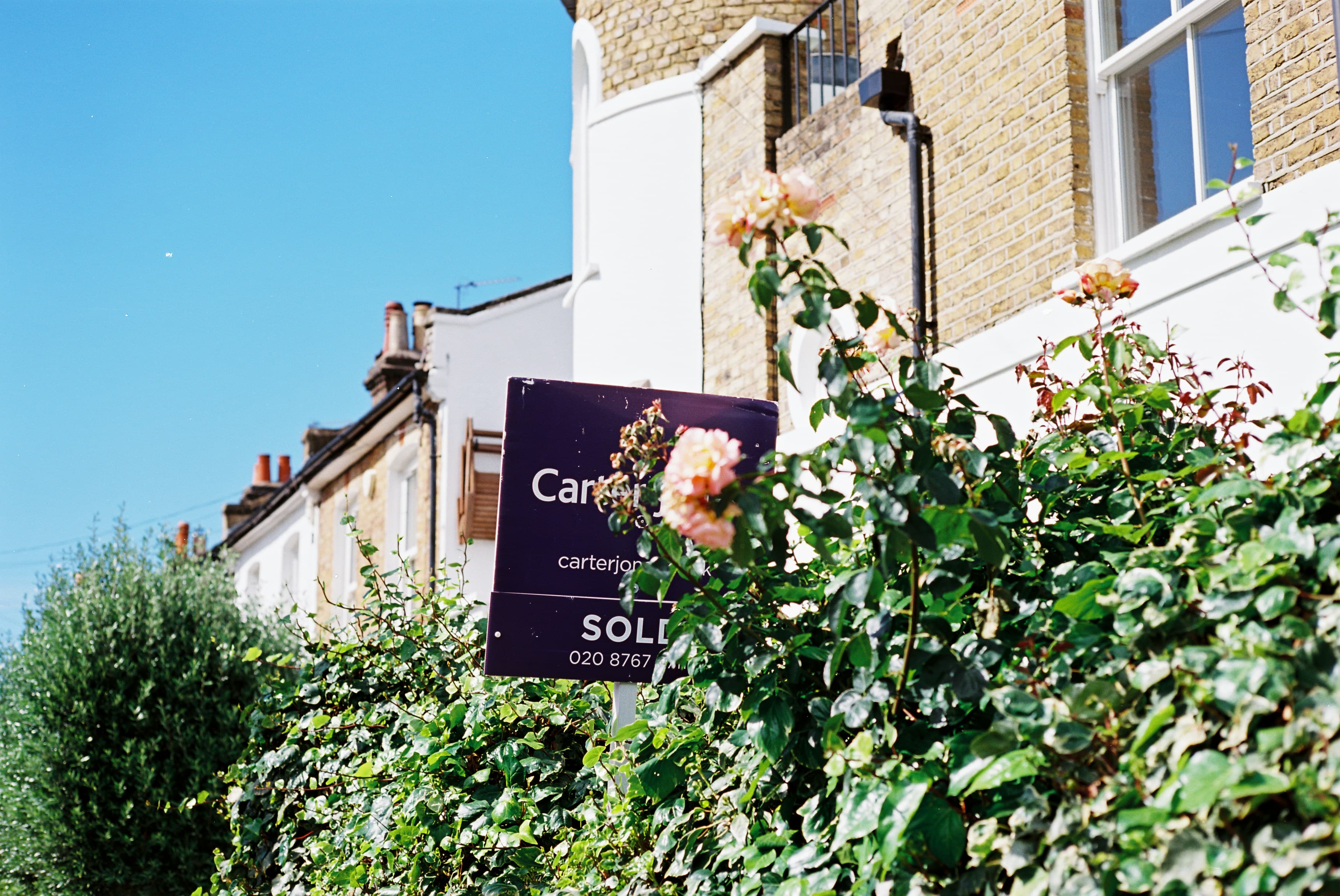
Two offers on the table, one cash and one with a mortgage, and the mortgaged one is a little higher. It is one of the better problems to have when selling, but it still keeps sellers up at night. The good news is there is a clear way to weigh them.
Is a cash buyer always the safer choice?
Usually, but not automatically. A cash buyer is someone buying without a mortgage, using money they already hold. Because there is no lender involved, two of the most common reasons a sale collapses simply cannot happen: the mortgage being declined, and the lender down-valuing your home.
That certainty is why cash buyers have grown. Hamptons found cash buyers made up about 35% of purchases across Great Britain in 2026, up from 30% a year earlier, as higher borrowing costs pushed more people to buy outright. Cash buyers often offer slightly below asking, and the discount is really the price of certainty.
How do I check a buyer really has the cash?
You ask for proof of funds. Proof of funds is written evidence, such as a recent bank or investment statement, that a buyer holds the money they say they have. A buyer who calls themselves cash but actually needs to sell their own home first is not a cash buyer; they are a buyer in a chain, with all the same risks.
Cash buyer vs mortgaged buyer, side by side
| Factor | Cash buyer | Mortgaged buyer |
|---|---|---|
| Mortgage can be declined | No | Yes |
| Risk of a down-valuation | None | Possible |
| Typical speed to completion | Faster, often 4 to 8 weeks | Longer, often 8 to 16 weeks |
| Proof to ask for | Recent bank or investment statement | Mortgage in principle plus proof of deposit |
| Typical offer level | Often slightly below asking, for the certainty | Often closer to or at asking |
When is a mortgaged buyer the better bet?
A mortgaged buyer is not a weak buyer. A mortgage in principle is a lender's early indication of what it might lend, not a firm offer, but a buyer with a large deposit, a mortgage offer already in hand, and no chain can be every bit as safe as a cash buyer, and they may be paying more.
The size of the gap matters too. If the mortgaged offer is meaningfully higher, that extra money can be worth a few more weeks and a little more risk, especially if their finances are strong. Certainty is valuable, but it is not the only thing on the table.
How do I decide between a safe offer and a bigger one?
1. Ask both buyers for proof in writing
Get a bank or investment statement from the cash buyer and a mortgage in principle plus deposit evidence from the mortgaged buyer. No proof, no serious consideration.
2. Check what cash really means
Confirm the cash buyer is not relying on selling their own property first. If they are, treat them as a chain buyer, not a cash buyer.
3. Compare on certainty, not just price
Weigh the size of each offer against how likely it is to actually complete. A slightly lower offer that completes beats a higher one that collapses.
4. Look at each buyer's chain
A chain-free buyer of either type is safer than one waiting on their own sale. Ask both how many links sit behind them.
5. Weigh the money against the risk
Decide what the extra pounds from the higher offer are worth to you against the added chance of delay or a fall-through.
6. Keep the runner-up warm
Ask your agent to stay in touch with the buyer you did not pick, so you have a fast fallback if your chosen sale wobbles.
Whichever you lean towards, read the buyer by what they have put in place, not by what they promise. The strongest signal is money and paperwork already committed: proof of funds seen, a mortgage offer issued, a solicitor instructed. Hold off on your own big spends and on coming fully off the market until you have seen that proof.
A cash buyer is only cash if the money is already in their account. Always ask to see it.
ValuQ gives UK homeowners free, side-by-side property valuations from competing local estate agents, so you can price your home accurately and choose an agent who will help you read an offer on its strength, not just its headline number. The decision on which buyer to accept is always yours.
Sources
- [1]Hamptons, The power of cash buyers · 2026-06-01 · https://www.hamptons.co.uk/research/articles/the-power-of-cash-buyers
- [2]Bank of England, Money and Credit, May 2026 · 2026-06-30 · https://www.bankofengland.co.uk/statistics/money-and-credit/2026/may-2026
- [3]Quick Move Now UK property fall-through report, reported by PropertyWire · 2026-04-24 · https://www.propertywire.com/news/property-fall-throughs-decline-to-23-7-in-early-2026/
Terms in this article
Plain-English definitions from the ValuQ property glossary.
Agreement in principle (AIP)
An agreement in principle is a lender's conditional indication of how much it would lend you, based on basic details and a credit check.
Proof of funds
Proof of funds is documentary evidence that a buyer can actually pay: bank statements, a mortgage agreement in principle, or confirmation of sale proceeds.
Mortgage offer
A mortgage offer is the lender's formal, binding commitment to lend, issued after full underwriting and valuation.
Fall-through
A fall-through is an agreed sale collapsing before exchange of contracts, with neither side owing the other anything.
Cash buyer
A cash buyer can pay the full price without a mortgage.
Read next
Related insights
How is a house valued for inheritance tax?
I'll have to sell for less than I paid. What are my options?
We're separating. Should we sell the house now or wait?
One in six recently bought homes now resells at a loss
Know what your home is worth today
ValuQ gives UK homeowners free, side-by-side property valuations from competing local estate agents. Anonymous until you choose. No cold calls.
Get your free anonymous valuationSellers and buyers never pay.