My buyer wants to drop the price after the survey. Should I?
Published 29 June 2026 · Reviewed 23 July 2026 · 6 min read · By Evren Ergin
A survey-driven request to cut the price is one of the most common moments in a sale, and it does not mean the deal is dead. Look at what the survey actually found, decide what it is fairly worth, and you stay in control of the number.
TL;DR
- •A down valuation or a survey that flags repairs often leads a buyer to ask for a reduction, and it is a normal negotiating point, not the end of the sale.
- •Judge the request by the evidence: a low mortgage valuation, or a survey listing real defects with costs, carries weight; a vague 'the survey raised a few things' does not.
- •You can say no, meet partway, knock off the genuine repair cost, or offer to fix the issue yourself, and the decision and timeline stay yours.
- •Move in step with your buyer and gate the big spends on their commitment, so a fair renegotiation does not quietly turn into being strung along.
Advertisement

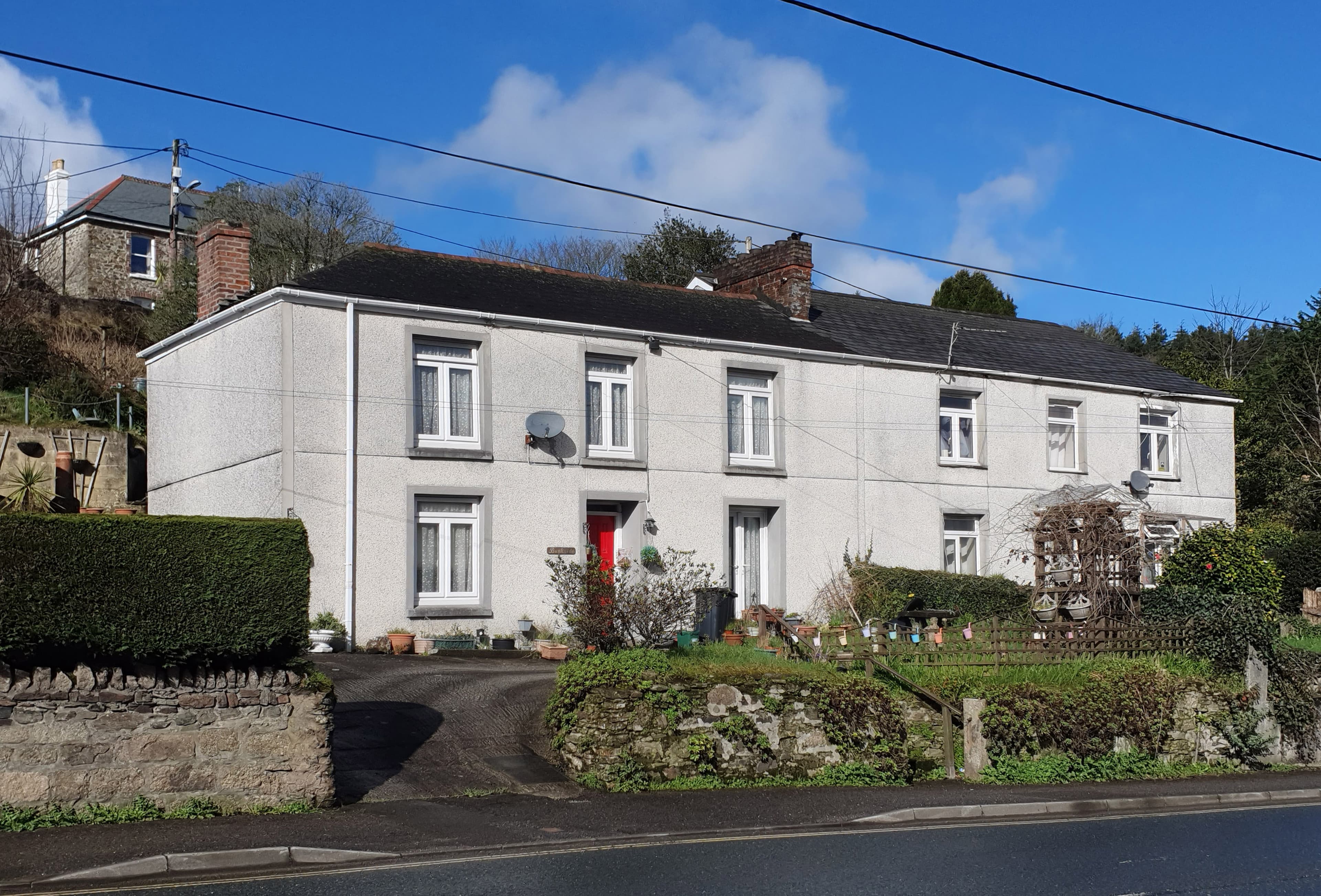
A survey-driven renegotiation is when a buyer, after reading their survey or mortgage valuation, asks you to lower the agreed price to reflect something the report found. It is a request, not a right, and you decide how to answer it.
Why do buyers ask for a discount after the survey?
There are two common triggers. The first is a down valuation, where the lender's surveyor values the home below the price you agreed, leaving the buyer with a mortgage shortfall to cover. The second is a condition survey that flags real defects, such as damp, a tired roof, or old wiring, with an estimated cost to put them right.
A down valuation is when the lender's mortgage valuation comes in below the price you agreed, which can leave the buyer needing to find the gap in cash. Surveys themselves come in levels: the RICS Home Survey Standard sets out Level 1, 2 and 3 reports, with Level 3 the most detailed, so the depth of the report tells you how seriously to take it.
Is the request reasonable, or is it a try-on?
Reading a post-survey price request
| Signs the request is fair | Signs it is a try-on |
|---|---|
| A mortgage valuation in writing below the agreed price | A vague 'the survey raised concerns' with no figures |
| Specific defects with contractor quotes attached | A round-number cut asked for the day before exchange |
| Problems you did not know about and did not disclose | Cosmetic items that were obvious at viewing |
| One reasonable ask early in the process | Repeated small reductions stacking up over time |
What are my options when a buyer asks me to drop the price?
1. Get the evidence in writing
Ask for the relevant pages of the survey or the actual mortgage valuation figure. Decide nothing until you have seen what the report says, not what the buyer has summarised over the phone.
2. Price the problem independently
Get one or two quotes from your own tradespeople for any genuine defect. A 600 pound repair is not a 6,000 pound reduction, and your own written quote is your strongest card.
3. Check your fall-back position
Look at your local sold prices and how long it took this buyer to come along. If buyers are queueing, holding firm carries less risk; if demand is thin, a fair compromise may protect the sale.
4. Choose your response
You can decline, meet in the middle, knock off the genuine repair cost, or offer to carry out the work yourself before completion. Any of these keeps the sale alive.
5. Reply once, clearly
Give a single, calm counter rather than a drawn-out back-and-forth. Naming your final position early discourages repeated chipping at the price.
How do I protect myself while we renegotiate?
Read your buyer's commitment by what they have spent, not by what they say. A buyer with money already down is far less likely to walk away over a fair outcome.
- Real commitment looks like a solicitor instructed and paid, searches ordered, and a mortgage application submitted, not just warm words.
- Keep your own early moves cheap: instructing your solicitor holds momentum and costs very little.
- Hold the larger, harder-to-reverse steps, such as coming fully off the market or paying for management information packs, until your buyer has put their own money down.
- If the asks keep coming after you have settled one fairly, that is the moment to test whether this buyer is serious or simply chipping.
Does a price cut after the survey mean I lose money?
Not always. The alternative to a fair reduction is re-marketing, which has its own cost in lost weeks and the risk of a second buyer falling through. Roughly a quarter to a third of agreed UK sales collapse before completion according to industry fall-through trackers, so keeping a committed buyer on fair terms often beats starting again.
The strongest answer to a survey renegotiation is not a louder no. It is a number you can prove.
Knowing your home's realistic value before you negotiate is what keeps you steady. ValuQ gives UK homeowners free, side-by-side property valuations from competing local estate agents, so you can judge a renegotiation against what local agents actually think your home is worth, not against pressure on the phone.
Can I refuse to lower my price after a survey?
Yes. The agreed price is not binding until exchange of contracts, so you are free to decline a reduction. The buyer can then accept the original price, keep negotiating, or walk away.
Should I show the buyer my own repair quote?
Often yes. A written quote for the genuine cost of a defect anchors the conversation on a real number and undercuts an inflated reduction request.
Is this the same as gazundering?
No. Gazundering is a buyer dropping their offer late, often just before exchange, to pressure you with no new information. A fair, evidenced survey renegotiation early in the process is a different thing.
Sources
- [1]HomeOwners Alliance, House surveys: which survey do you need? · 2026-03-01 · https://hoa.org.uk/advice/guides-for-homeowners/i-am-buying/house-surveys-which-survey/
- [2]RICS, Home Survey Standard · 2025-01-01 · https://www.rics.org/
- [3]Which?, Mortgages and property guides · 2026-02-01 · https://www.which.co.uk/money/mortgages-and-property
- [4]Zoopla House Price Index, June 2026 · 2026-06-01 · https://www.zoopla.co.uk/discover/property-news/house-price-index/
Terms in this article
Plain-English definitions from the ValuQ property glossary.
Exchange of contracts
Exchange of contracts is the moment a sale becomes legally binding, when the two signed contracts are formally swapped and the deposit is paid.
Mortgage valuation
A mortgage valuation is the lender's check that the property is adequate security for the loan, not an inspection for the buyer's benefit.
Down valuation
A down valuation is the lender's surveyor valuing a property below the agreed sale price, shrinking the mortgage the lender will offer.
Renegotiation
Renegotiation is reopening the agreed price after the survey or searches reveal something the offer did not account for.
Fall-through
A fall-through is an agreed sale collapsing before exchange of contracts, with neither side owing the other anything.
Gazundering
Gazundering is a buyer cutting their offer at the last moment, typically just before exchange, when the seller is most exposed.
Defect
A defect is any fault in a property's condition, from a slipped tile to structural movement.
RICS
RICS is the Royal Institution of Chartered Surveyors, the professional body that sets the standards UK surveyors and valuers work to.
Read next
Related insights
The new 2.5% deposit scheme: what it means if you're selling
What happens if my estate agent goes out of business?
Can I switch estate agent while my house is on the market?
Can my estate agent use AI to edit photos of my house?
Is your asking price where it should be?
ValuQ gives UK homeowners free, side-by-side property valuations from competing local estate agents. Anonymous until you choose. No cold calls.
Get your free anonymous valuationSellers and buyers never pay.