UK property explainers
FAQ-style explainers on UK property: fees, contracts, tax, timelines, jargon, and the things sellers wish someone had told them earlier.
Can my estate agent use AI to edit photos of my house?
Yes, your estate agent can edit photos of your house, including with AI, but the photos must not mislead buyers about the home. Tidying, brightening and labelled virtual staging are generally fine; removing walls, changing room sizes or hiding power lines is not.

What is a digital property logbook, and will I need one?
A digital property logbook is a secure online record of a home's key information that stays with the property and passes from owner to owner. You do not need one to sell today, but the government plans to legislate for logbooks alongside compulsory sales packs before the end of this Parliament.

Should I get a second opinion on my asking price?
Yes, if your home has been on the market for a few weeks with little interest, a second opinion on the price is a sensible, normal step. It costs nothing to ask, it does not change your current contract, and it tells you whether the price or something else is holding the sale back.
My buyer is still viewing other houses. Should I worry?
Not on its own. In England and Wales nobody is bound until contracts are exchanged, so some buyers keep a back-up in view, and the real test of your buyer is what they have spent and instructed since the offer, not where they spend their Saturdays.
What is the TA6 form, and what changed in 2026?
The TA6 is the Law Society's Property Information Form: the questionnaire a seller in England and Wales fills in so the buyer's solicitor knows about boundaries, disputes, alterations, flood risk, services and anything else that affects the home. Since 30 March 2026 every sale uses the new 6th edition, which is shorter than the 2024 version and allows more 'Not known' answers.

What are swap rates, and why do they push mortgage rates up?
Swap rates are the wholesale cost lenders pay to fix the interest they owe for two or five years, and they are the main number behind the price of a fixed-rate mortgage. That is why average fixed rates have risen by almost a full percentage point since March 2026 while the Bank of England's Bank Rate has not moved from 3.75% since July.
Offers over or guide price: what should I list my house at?
An offers over price tells buyers the figure is your floor, while a guide price tells them it is roughly what you expect, with room to talk. Either way, the label matters far less than whether the number underneath it matches what your home will actually sell for.
What is a completion statement when selling a house?
A completion statement is the document your solicitor sends before completion showing exactly where the sale money goes: the sale price, less your mortgage redemption figure, the estate agent's fee, legal costs and any other deductions, with the balance that will be paid to you. Check every line against your paperwork before you approve it, because it is the last chance to catch a mistake before the money moves.

My deeds don't match my fence. Will that stop my sale?
Almost certainly not, because the plan on your title was never designed to show the exact line of your boundary. Nearly every registered boundary in England and Wales is what the law calls a general boundary, which fixes the rough position on purpose and leaves the precise line undecided.

I'm on a cheap fixed rate. Do I lose it if I sell?
Usually not, because most UK residential mortgages can be ported, which means moving your existing rate and lender onto your new home rather than paying it off and starting again. Porting is not automatic though: your lender reassesses your income and the new property, and anything you borrow on top sits on a second rate at today's prices.

We're waiting for probate. How long before we can sell?
Most grants of probate arrive faster than families expect. In the most recent published court figures the median wait from application to grant was about two weeks and the average about five, and the long waits people warn you about are nearly always applications that were stopped for missing information.
My agent hasn't sent any viewing feedback. What now?
No law sets a deadline for viewing feedback, but if your agent belongs to The Property Ombudsman, its code says they must record feedback and pass it to you within a timescale you have agreed. So the fix is rarely a row: it is agreeing that timescale in writing and then holding them to it.

My agent wants best and final offers. Should I?
Best and final offers is a deadline your agent sets for every interested buyer to put forward one last offer by a fixed time. It is worth running when you have two or more buyers who have each shown real commitment, and worth avoiding when you have one keen buyer and a handful of maybes.
My buyer's lender is holding money back. What happens now?
A mortgage retention is when your buyer's lender approves the loan but holds back part of it until named repairs have been carried out and signed off. The mortgage has not been refused and the sale is not over, but a cost has landed on the table and you and your buyer now have to decide between you who carries it.
My empty house will not sell. Will I pay double council tax?
In England you can be charged an empty homes premium once a property has been empty and substantially unfurnished for a year, which doubles the council tax bill. A property that is genuinely being marketed for sale is protected by a 12 month exception, so the question is not whether you are safe, it is when your 12 months runs out.
Should I get a survey on my own house before I sell?
A pre-sale survey is a condition report you commission on your own home before it goes on the market, and it is worth paying for when your property is older, altered, or has something a buyer will question. It costs between about £400 and £1,500 and its real value is removing surprises from the one stage where more than a quarter of UK sales collapse.
Should I part-exchange my house with a developer?
Part exchange trades your current home to a housebuilder as part of the payment for one of their new homes, which removes the chain and the risk of a fall-through. You pay for that certainty in the price, because developers typically offer below what your home would fetch on the open market.
Can I sell the house if my ex won't agree?
Not on your own, because every registered owner has to sign the transfer, so neither of you can sell the other out of the picture. You are not stuck though: most of these end in a negotiated sale or a buy-out, and where they genuinely cannot be settled a court has the power to order the sale.
Modern method of auction: should I sell my house that way?
You can sell through the modern method of auction, and more sellers are doing it: purchases by this route rose 14.5% in the year to August 2026. It is usually free for you as the seller because the buyer pays a reservation fee instead, and that fee is the thing to understand before you agree to anything.
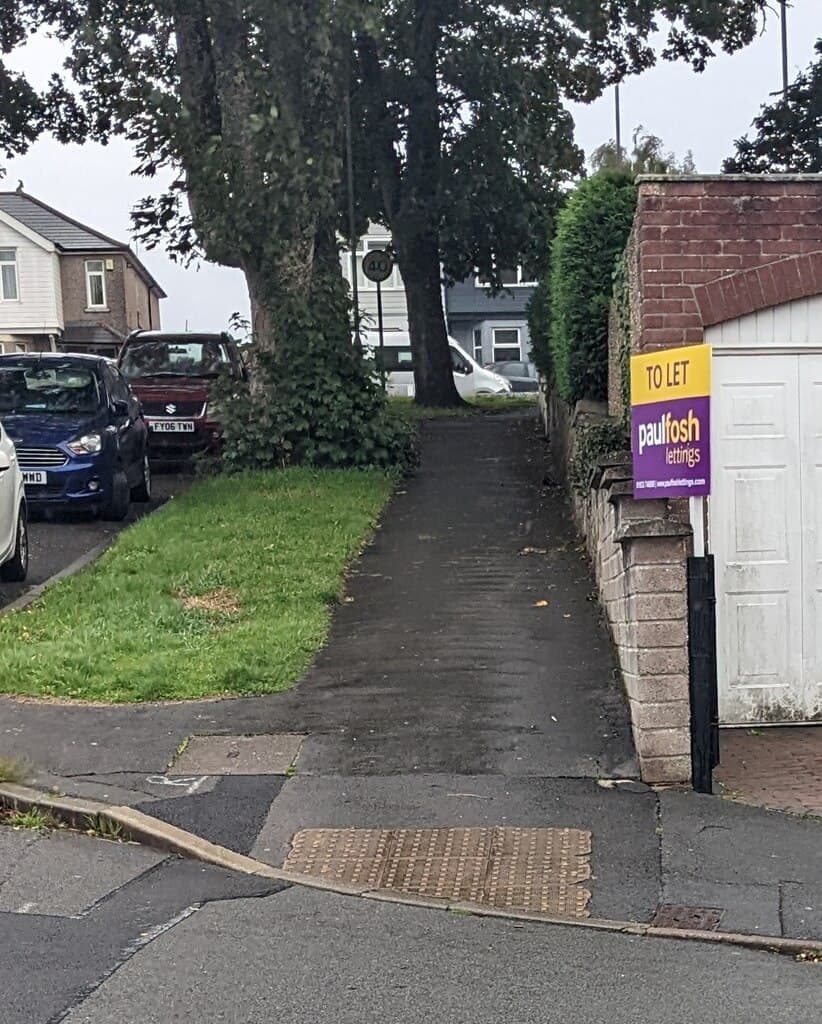
My house won't sell. Should I rent it out instead?
Letting is a reasonable plan B, but it is a different job with different rules, and you cannot simply hand the keys over and wait for the market to improve. You need your lender's permission first, and the tax position changes in ways that quietly cost money later, so work through both before you take the board down.
Do I have to tell buyers about a neighbour dispute?
Yes. The standard property information form your solicitor sends you asks directly about disputes and complaints involving your property or one nearby, past as well as present, and answering it inaccurately can unravel the sale even after completion.
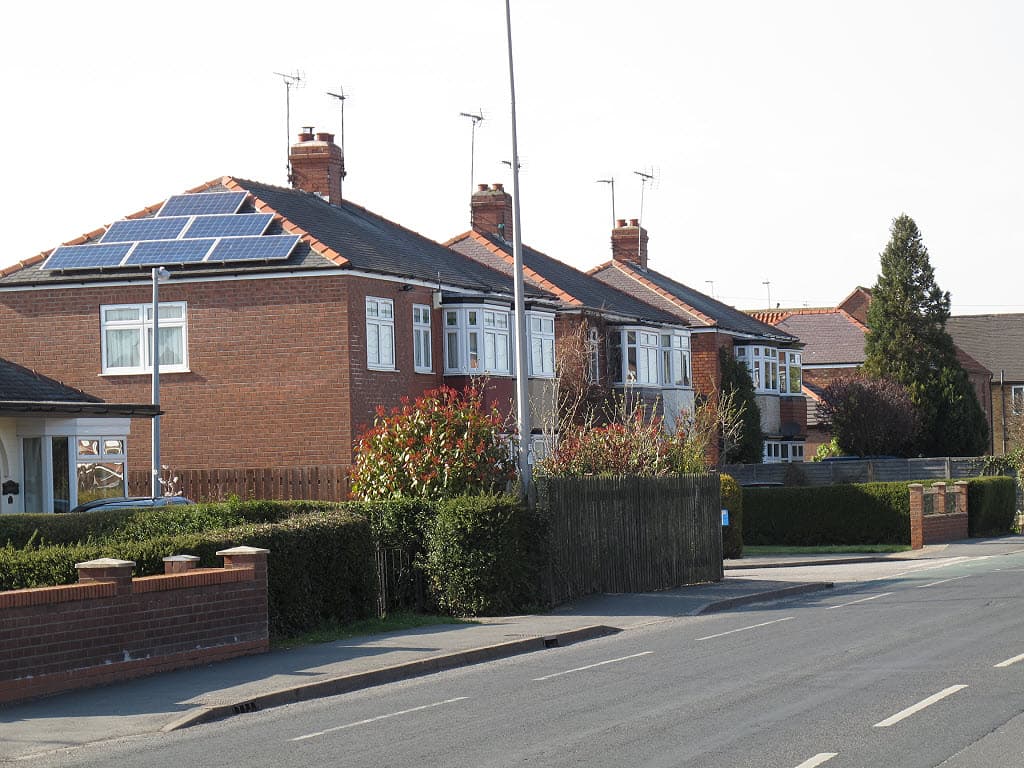
I have leased solar panels. Will they stop my sale?
Leased solar panels rarely stop a sale, but they are one of the most reliable ways to slow one down, and almost always because the paperwork is missing rather than because the panels are a problem. Get the lease and the certificates together before you list, and this becomes an administrative step rather than the thing that costs you your buyer.
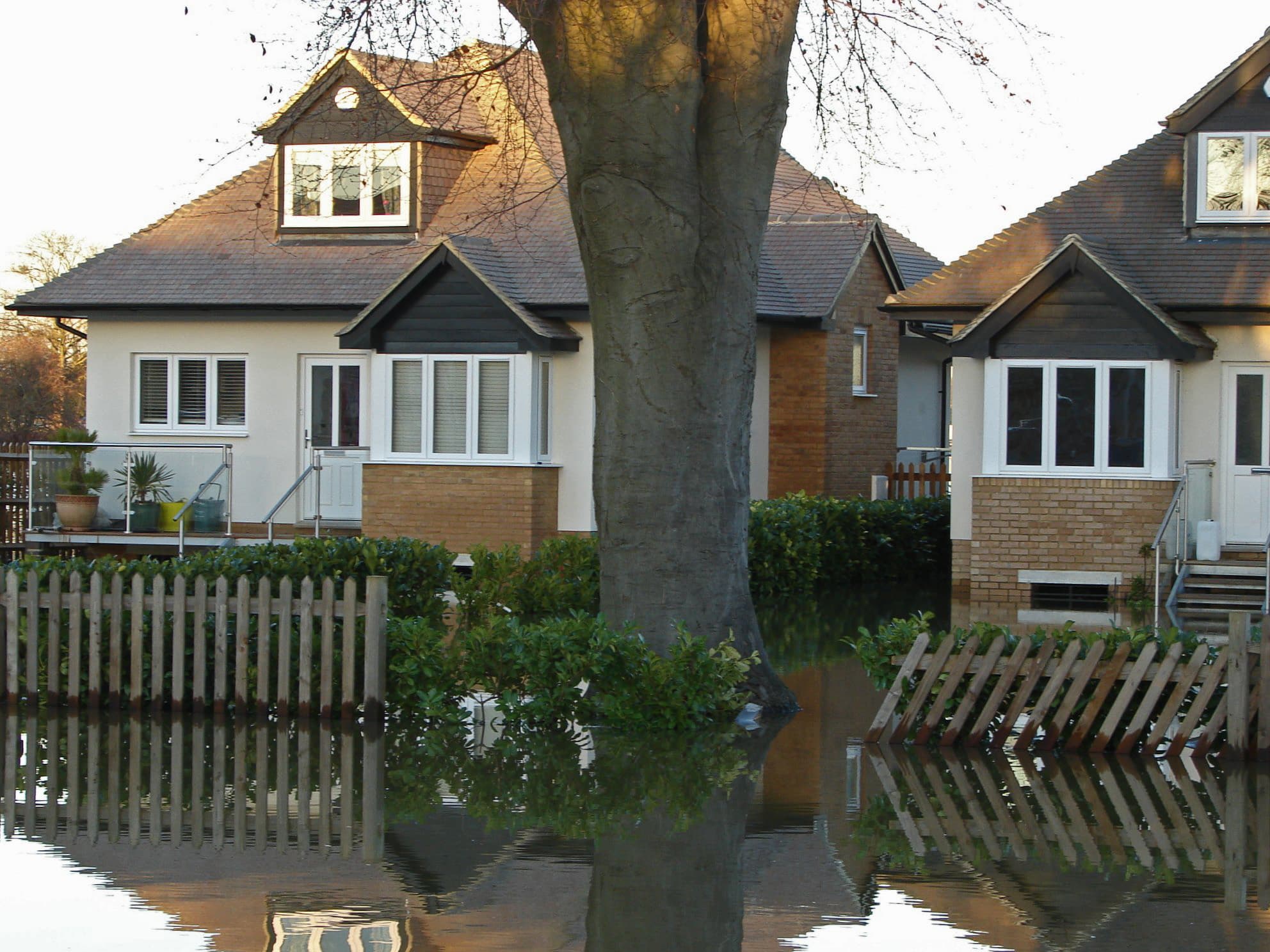
Will flood risk stop me from selling my house?
Flood risk rarely stops a sale on its own, but it changes who can buy your home and how the middle of the sale feels. The homes that sell smoothly are the ones where the seller had the flood history and the insurance position ready before the buyer's searches came back.
Can my agent make my buyer see their mortgage adviser?
No, and it matters to you as much as to your buyer. An agent can ask a buyer to prove they can afford your home, but tying a viewing, an offer or its progress to the agency's own mortgage adviser is conditional selling, it is prohibited, and it can mean the strongest offer never reaches you.
My buyer is a first-time buyer. Is that risky?
A first-time buyer is usually one of the safer buyers you can accept, because they have no property to sell and nothing behind them in a chain to collapse. The risk sits in a different place: their deposit and their lender, which is where your questions should go.
Should I move out before my house sale completes?
Moving out before exchange of contracts is the risk you want to avoid, because until contracts are exchanged your buyer can walk away and you are left paying for an empty house. Moving out between exchange and completion is far safer, and it is what most sellers who move early actually do.

Someone viewed my house twice. Will they make an offer?
A second viewing means you made someone's shortlist, which is genuinely good news, but it is not the same as winning. In a market carrying more homes for sale than at any point in a decade, buyers are comparing two or three serious options before they commit to one.

Is my house unmortgageable? What lenders refuse to lend on
A home is called unmortgageable when mainstream lenders will not lend against it because of what the property is, not because of who is buying it. Research published by the specialist lender Together on 31 July 2026 put the number at more than 1.5 million UK homes, around 6% of the housing stock, and almost all of them still sell.
Someone offered on my house without viewing it. Is it real?
An offer made without a viewing is usually genuine in the sense that a real person made it, and it usually comes from a buyer who values speed over price, most often a cash buyer, an investor or a buying company. What it is not is proof of commitment, so treat it as an opening position to be tested rather than a decision to be made today.
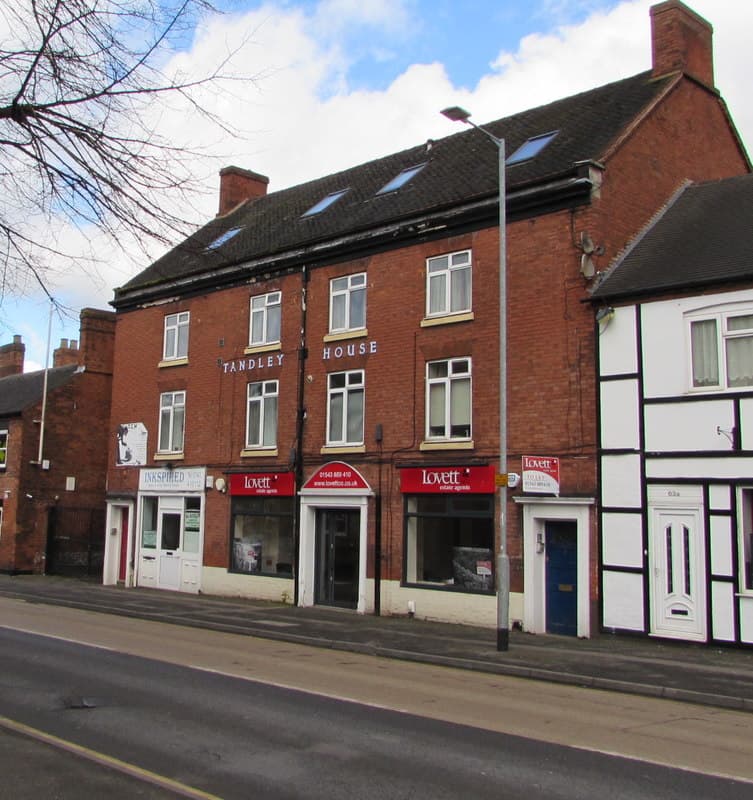
My agent's contract ended. Can they still charge a fee?
Yes, in one specific situation: if you go on to sell to a buyer that agent introduced to your property while they were instructed, they can still be owed their fee even though the contract has ended. If the buyer came from somewhere else entirely, an ended contract means no fee.
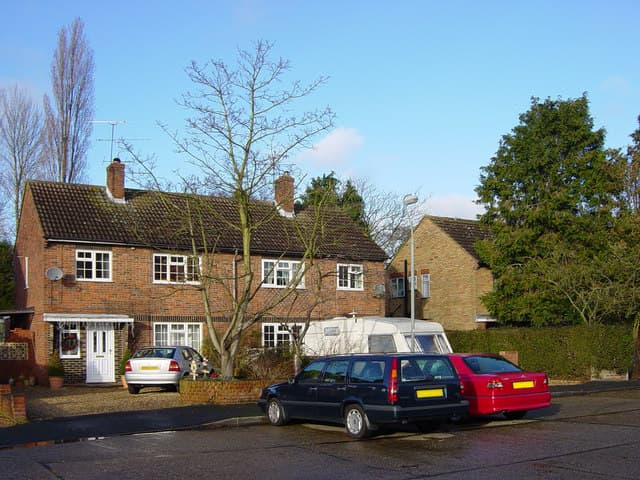
Does off-street parking add value when you sell?
Off-street parking usually helps, but its value is local rather than national, and published estimates of the premium vary far too widely to be treated as a figure for your home. What parking reliably changes is the number of buyers who will consider your property at all, and from October 2026 the running-cost gap between a home with a driveway and one without gets wider.
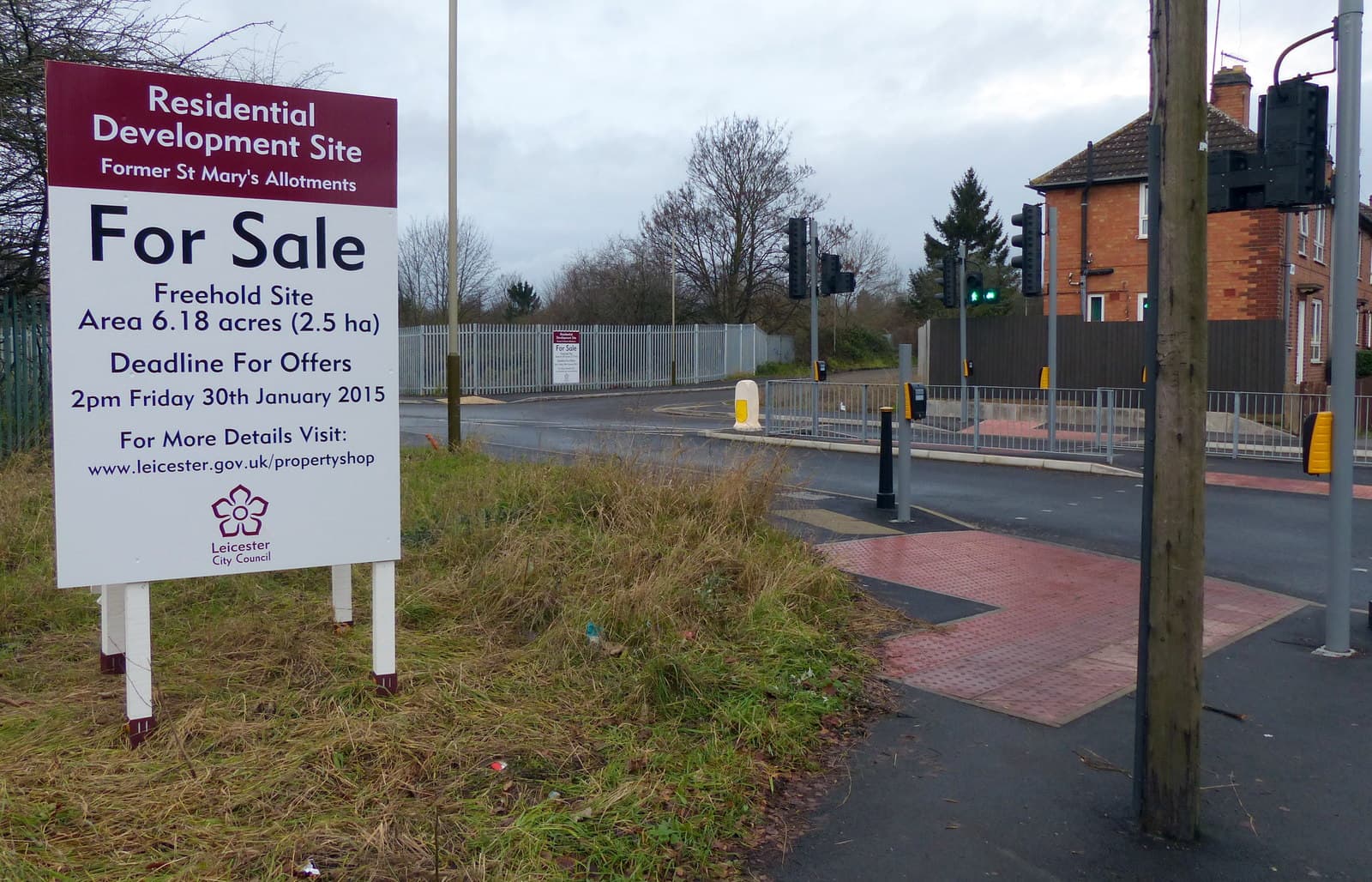
Should I sell my house to a cash buying company?
A cash buying company will buy your home quickly and with certainty, and it pays for that speed by offering you less than the open market would. Whether the trade is worth making comes down to one number you should work out before you answer: the gap between their offer and what competing local agents say your home is actually worth.

Can I ask my estate agent to redo my listing photos?
Yes, and you should ask if the listing is not working. Put the request in writing, say exactly what you want changed and by when, and check the listing yourself first so the conversation is about specifics rather than a feeling.
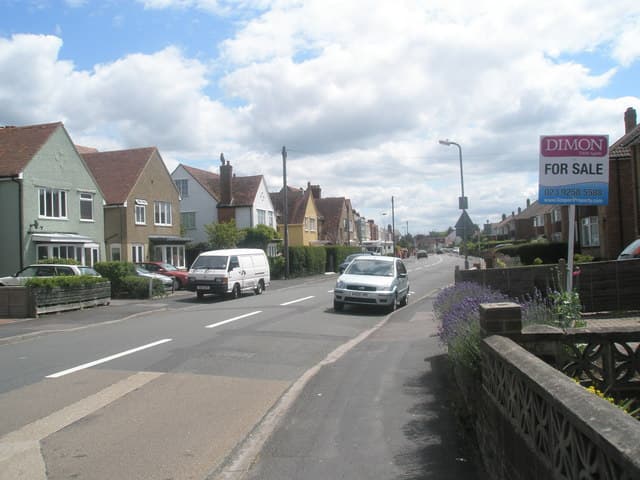
Do I have to tell buyers about problems with my house?
You do not have to point out every flaw a buyer could spot for themselves, but you must answer the seller's property information form, the TA6, truthfully and never actively hide a problem you know about. Getting this wrong can lead to a misrepresentation claim after completion, so when you are unsure, the safe and standard advice is to disclose.

Is it a buyer's or a seller's market right now?
In September 2026 the UK market still leans toward buyers. Buyer demand has been improving since the spring, but a fresh wave of autumn listings and mortgage rates at their highest this year mean buyers have plenty of choice and less to spend, so realistically priced homes sell while ambitious ones sit.

Is summer a slow time to sell a house?
Summer is usually a little slower than spring, but homes still sell right through it, and a well-priced house finds a buyer in most weeks of the year. The season matters far less than your price, your photos and your timing, and all three are yours to control.

Can I complain about my estate agent, and what can I get?
Yes. Every UK estate agent that sells homes must by law belong to a free, independent redress scheme, so if yours has treated you unfairly you complain to the agent first in writing, then escalate to their ombudsman if it is not resolved within eight weeks.

Why do Nationwide and Halifax give different house prices?
They disagree because each one measures a different thing at a different stage of the sale, so no two indices are counting the same homes. As of 7 September 2026 the average UK home ranged from £272,000 to £364,999 depending only on which index you read, and Lloyds and Nationwide could not even agree on whether August prices rose or fell.

Does my estate agent have to tell me about every offer?
Yes. By law your estate agent must pass on every offer to you promptly and in writing, right up until contracts are exchanged, unless you have told them in writing to stop. Holding an offer back, or being slow to tell you about one, breaks the rules that all UK estate agents work under.

Can I take my mortgage with me when I sell?
In most cases, yes. The majority of UK fixed-rate mortgages are portable, which means you can move your existing deal to your new home instead of paying it off and starting again.

Do I pay estate agent fees if my house doesn't sell?
With most high-street estate agent contracts you pay nothing if your home does not sell, because they run on a no sale, no fee basis. The catch is in the contract type and the small print, so the real answer depends on exactly what you signed.
Exchange of contracts vs completion: what's the difference?
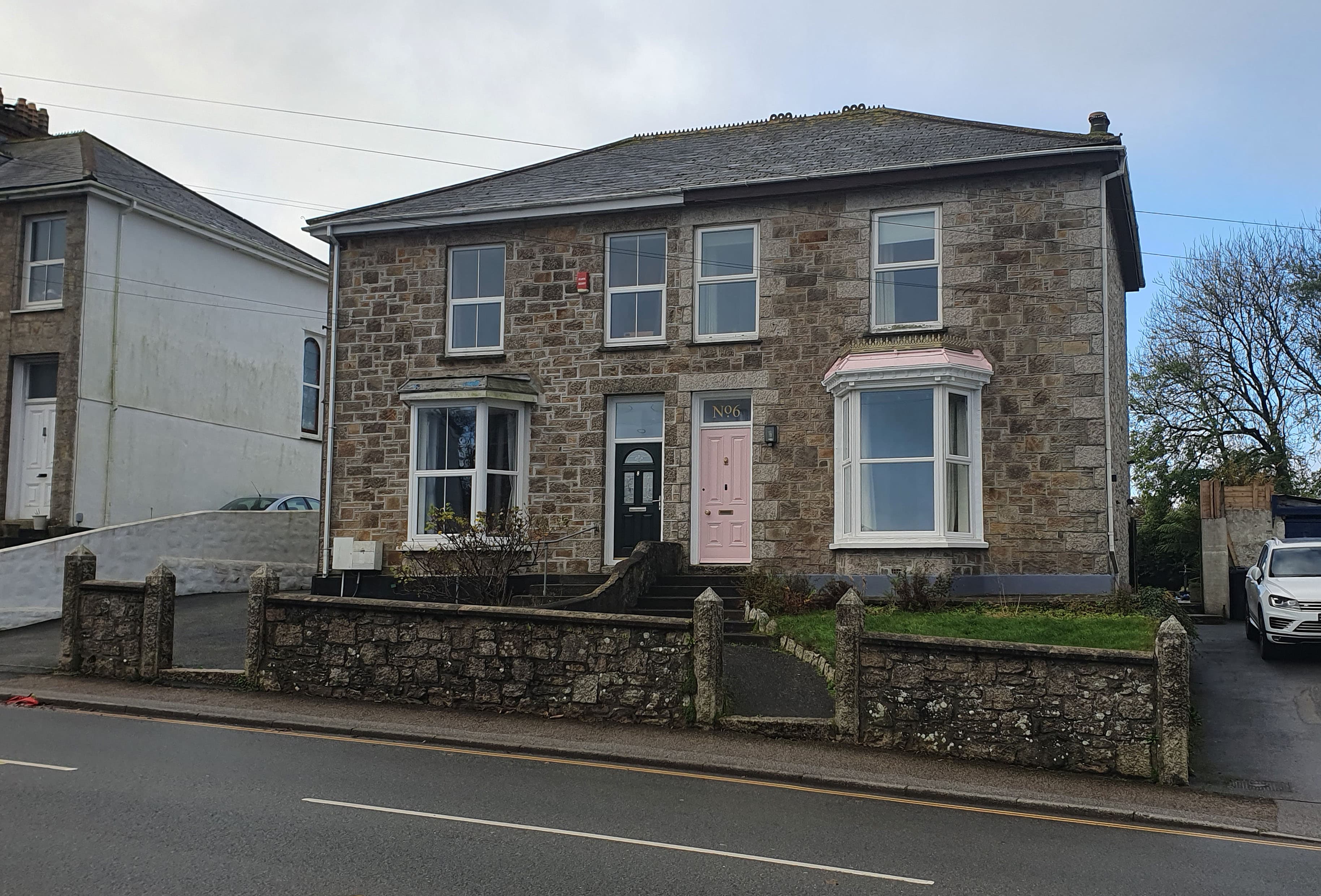
Exchange of contracts is the moment your house sale becomes legally binding; completion is the day ownership and the keys actually change hands. In England and Wales they are two separate steps, usually a few days to a few weeks apart, and that gap is normal.
What fixtures and fittings do I leave when I sell?
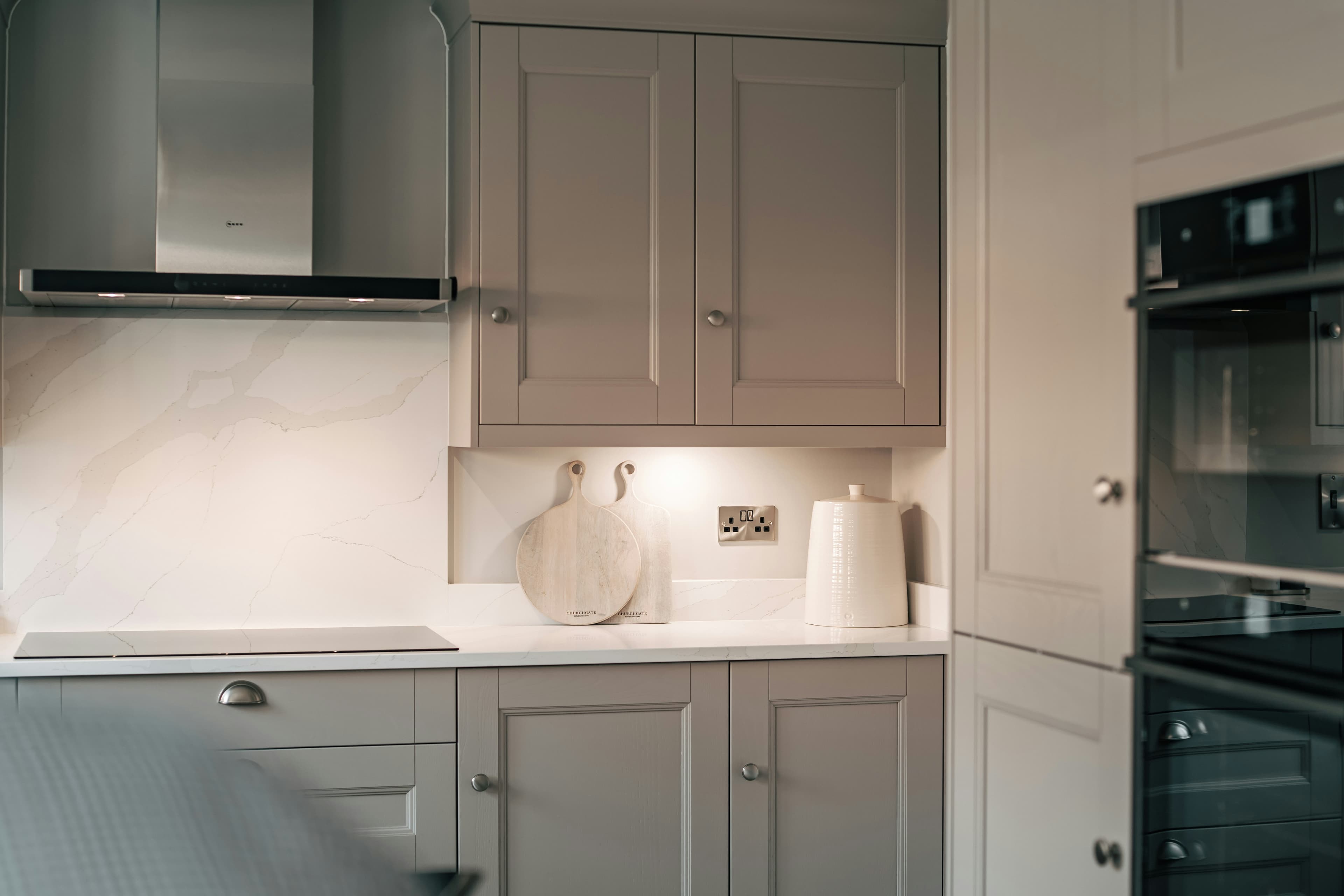
When you sell in England or Wales, anything fixed to the property (a fitted kitchen, built-in wardrobes, radiators) is assumed to stay unless you say otherwise, while free-standing items (sofas, curtains, a plug-in fridge) are yours to take. You record exactly what stays and what goes on a form called the TA10, which becomes legally binding once contracts are exchanged.

What is conveyancing and how long does it take?
Conveyancing is the legal work that transfers ownership of a property from the seller to the buyer, handled by a solicitor or licensed conveyancer. In 2026 it typically takes about 16 to 20 weeks from offer acceptance to completion, though a simple, chain-free sale can finish in as little as 8 weeks.

What happens on completion day when selling a house?
Completion day is the day the sale legally finishes: the buyer's money reaches your solicitor, ownership transfers, and you hand over the keys. For the seller it usually means being moved out and giving vacant possession by an agreed time, often early afternoon, once your solicitor confirms the funds have landed.