Do I have to tell buyers about problems with my house?
Published 17 July 2026 · 5 min read · By Evren Ergin
You do not have to point out every flaw a buyer could spot for themselves, but you must answer the seller's property information form, the TA6, truthfully and never actively hide a problem you know about. Getting this wrong can lead to a misrepresentation claim after completion, so when you are unsure, the safe and standard advice is to disclose.
TL;DR
- •England and Wales works on a buyer-beware basis for a home's condition, so you are not required to volunteer every visible defect.
- •You must answer the TA6 property information form honestly, and you must not conceal or lie about a problem you know of.
- •Inaccurate answers can lead to a misrepresentation claim under the Misrepresentation Act 1967, with damages sometimes running into tens of thousands of pounds.
- •The standard advice from conveyancers is simple: if in doubt, disclose, because honesty up front is far cheaper than a dispute later.
Advertisement

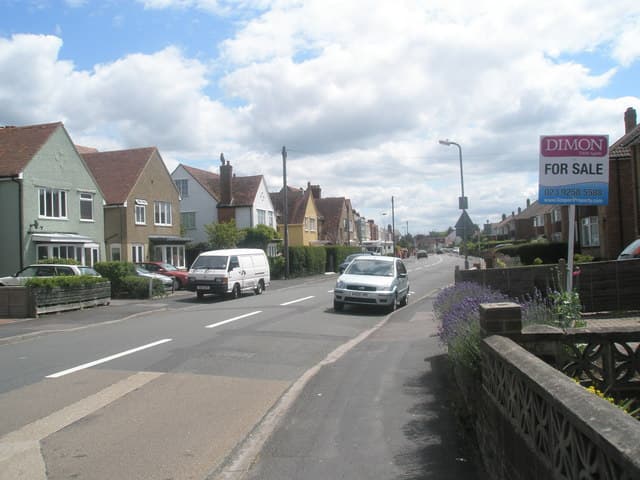
This is one of the quietest worries a seller carries. You know your home is not perfect, and you are not sure whether mentioning the old damp patch or the disagreement with next door will scare a buyer off or land you in trouble later. The rule is calmer and fairer than it feels, and once you understand it the anxiety usually settles.
What am I actually required to tell a buyer?
England and Wales run on a principle often summed up as buyer beware, which means a buyer is expected to inspect and survey the property and you do not have to narrate every flaw they could find. That does not give you a free pass. You must answer the seller's property information form honestly, and separate consumer law bans misleading a buyer, whether by saying something false or by hiding something important. The honesty is not optional; the volunteering of obvious defects is.
What is the TA6 property information form?
The TA6 is the standard form your conveyancer sends the buyer's side, in which you answer set questions about the property. The current version, the sixth edition, became the standard on 30 March 2026 (The Law Society, 2026). It asks about disputes and complaints, alterations and building work, boundaries, notices affecting the property, services and guarantees, flooding, and specific issues such as Japanese knotweed. Your answers become part of the record the buyer relies on.
Some of what the TA6 asks you to answer honestly (HomeOwners Alliance, 2026)
| Area | Examples the form asks about |
|---|---|
| Disputes and complaints | Arguments with neighbours, boundary disagreements, complaints made or received |
| Alterations | Extensions, loft conversions, new windows, removed walls, and whether they had consent |
| Boundaries and rights | Who owns which fence, shared drives, rights of way across the land |
| Notices and proposals | Planning notices nearby, party wall matters, orders affecting the property |
| Known problems | Flooding history, Japanese knotweed, guarantees for damp or timber work |
What happens if I don't disclose something?
If an answer on the TA6 is inaccurate or misleading, the buyer can bring a claim for misrepresentation under the Misrepresentation Act 1967, and this can apply even where you made an honest mistake (HomeOwners Alliance, 2026). A court can order you to pay the buyer damages, which have run into tens of thousands of pounds, and in serious cases a sale can even be unwound after completion. Separately, the Consumer Protection from Unfair Trading Regulations 2008 prohibit misleading a buyer by action or by leaving out material information (legislation.gov.uk, 2008). The concealment is what creates the liability, not the problem itself.
Do I have to declare these specific things?
Do I have to tell buyers about a neighbour dispute?
Yes. The TA6 asks directly about disputes and complaints, including ones you raised and ones raised against you. A known, unresolved dispute with a neighbour is one of the most common reasons sellers face a claim later, so answer it truthfully.
Do I have to declare damp or a problem that was already fixed?
Answer honestly if you are asked, and pass on any guarantees. You do not have to present a repaired issue as an ongoing fault, but you must not deny knowledge of something you dealt with, and handing over the paperwork for the fix protects you.
Do I have to tell buyers if someone died in the house?
There is no general legal duty to volunteer this, but you must not lie if a buyer asks directly. If you are unsure how to answer a direct question, ask your conveyancer before you reply.
Do I have to declare Japanese knotweed?
Yes. The TA6 asks about it specifically, and a false or careless answer is a frequent source of claims because the plant is costly to treat and can affect a mortgage.
What if I genuinely did not know about a problem?
You are expected to disclose what you know or could reasonably be expected to know. You are not liable for a hidden defect you had no way of knowing about, which is exactly why answering the questions truthfully, rather than guessing, is your protection.
The steady way to handle it
The instinct to stay quiet is understandable, but it is the riskier path. Nearly every conveyancer gives the same advice: if in doubt, disclose. A declared problem is something a buyer accepts with their eyes open. A hidden one is something they can come back to you about for years. Being straight is not just the decent thing here, it is the cheaper thing.
If a question on the form is genuinely unclear, do not guess. Ask your conveyancer, whose job is to help you answer accurately and keep you protected.
ValuQ gives UK homeowners free, side-by-side property valuations from competing local estate agents, so you can start your sale with an agent you trust, on a footing where being straight with buyers is simply how it is done. Your sale, handled your way, stays yours to control.
Sources
- [1]HomeOwners Alliance, TA6 Property Information Form Explained · 2026-04-01 · https://hoa.org.uk/advice/guides-for-homeowners/i-am-selling/ta6-form/
- [2]The Law Society, TA6 Property Information Form (6th edition) · 2026-03-30 · https://www.lawsociety.org.uk/topics/property/ta6-6th-edition
- [3]legislation.gov.uk, Consumer Protection from Unfair Trading Regulations 2008 · 2008-05-26 · https://www.legislation.gov.uk/uksi/2008/1277/contents
Terms in this article
Plain-English definitions from the ValuQ property glossary.
TA6 Property Information Form
The TA6 is the standard form where the seller answers formal questions about the property: disputes, alterations, boundaries, flooding, knotweed and more.
Material information
Material information is anything a buyer needs to make an informed decision, which agents are required to include in listings.
Japanese knotweed
Japanese knotweed is an invasive plant whose presence must be declared when selling and which most lenders will only accept under a professional management plan.
Misrepresentation
Misrepresentation is a false statement that induces a purchase, giving the buyer a claim for compensation or, rarely, unwinding the sale.
Caveat emptor
Caveat emptor, buyer beware, is the principle that the buyer is responsible for discovering a property's condition and defects before purchase.
Boundary
A boundary is the legal line dividing one property from the next, defined by the deeds and only generally shown on the title plan.
Defect
A defect is any fault in a property's condition, from a slipped tile to structural movement.
Read next
Related insights
Rightmove October 2026: prices up 1%, but 1 in 3 homes cut
Which homes are selling fastest right now, and is mine one?
What should an estate agent's marketing plan include?
Trading up to a detached got cheaper in the South East. Not the North.
Know what your home is worth today
ValuQ gives UK homeowners free, side-by-side property valuations from competing local estate agents. Anonymous until you choose. No cold calls.
Get your free anonymous valuationSellers and buyers never pay.