Freehold vs leasehold: what's the difference when selling?
Published 12 June 2026 · 6 min read · By Evren Ergin
Freehold means you own your home and the ground it stands on outright, with no time limit. Leasehold means you own the right to live there for a fixed number of years while someone else owns the land, and that difference changes how easily, and for how much, you can sell.
TL;DR
- •Freehold means you own the property and the land outright, forever; leasehold means you own the right to live there for a set number of years.
- •Most houses are freehold and most flats are leasehold, so this matters most if you are selling a flat.
- •A lease that falls below 80 years is harder and more expensive to sell, because of an extra cost called marriage value.
- •Reforms in the Leasehold and Freehold Reform Act 2024 will scrap marriage value, but they are not in force yet, so today's rules still apply to your sale.
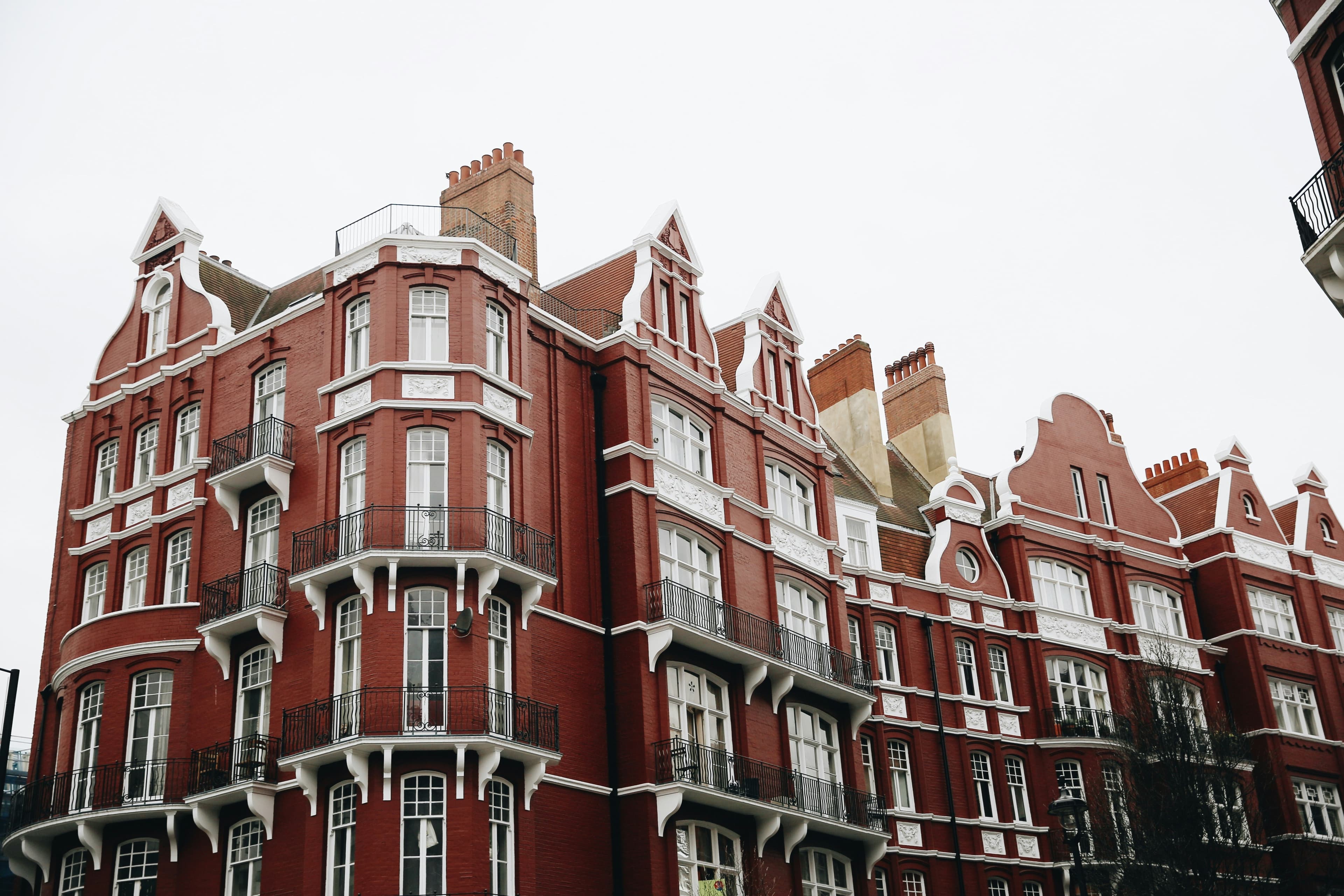
What is the difference between freehold and leasehold?
Freehold is full ownership. You own the building and the land it sits on, with no time limit and no landlord above you. Leasehold is time-limited ownership. You own the right to live in the property for the number of years left on the lease, but the freeholder owns the land and the structure around you.
In England and Wales most houses are sold freehold and most flats are sold leasehold, because flats share a building and someone has to be responsible for the roof, the hallways and the structure. That is why the freehold-or-leasehold question matters most to people selling a flat.
Freehold vs leasehold at a glance
| Feature | Freehold | Leasehold |
|---|---|---|
| What you own | The property and the land, outright | The right to live there for a set number of years |
| Time limit | None | The remaining lease term (for example 99 or 125 years) |
| Ground rent | None | May be payable to the freeholder |
| Service charge | None | Payable on most flats, for shared upkeep |
| Usual property type | Most houses | Most flats |
Does leasehold make my home harder to sell?
Not on its own. A flat with a long lease, a clear service charge and no unusual ground rent sells much like any other home. The difficulty starts when the lease gets short, when the ground rent is high or rises sharply, or when service charges are unclear, because a buyer's mortgage lender looks at all three before agreeing to lend.
The single biggest factor is the number of years left on the lease. The longer it is, the less a buyer has to think about it.
Lease length and what it usually means when you sell
| Years left on the lease | What it usually means for a sale |
|---|---|
| Over 125 years | Treated as a long lease; little concern for most buyers and lenders |
| 90 to 125 years | Comfortable; most mortgage lenders are happy to lend |
| 80 to 90 years | Still sellable, but buyers may ask you to extend the lease or drop the price as the clock ticks toward 80 years |
| Under 80 years | Harder to sell and to mortgage, and extending now costs more because of marriage value |
| Under 70 years | Many lenders will not lend at all, which can shrink your buyers to cash only |
Why does the 80-year mark matter so much?
Because of a cost called marriage value. Marriage value is the extra amount a freeholder can charge to extend a lease once it drops below 80 years, and under the current rules the leaseholder has to split that value with the freeholder. In plain terms, letting a lease slip under 80 years can add thousands of pounds to the cost of extending it, and buyers know that.
The Leasehold and Freehold Reform Act 2024 became law in May 2024 and is designed to abolish marriage value, which would make extensions cheaper for people with short leases. The key point for anyone selling now is that the main valuation reforms are not yet in force. Commencement is expected in late 2026 at the earliest, with full effect widely expected later still, so today's rules, including marriage value, still apply to a sale happening this year.
What should I do before I put a leasehold home on the market?
- Find your lease and check the exact number of years remaining. The figure on an old valuation or your memory is not enough; the lease is the source of truth.
- Gather your service charge and ground rent figures for the last few years, plus any major works planned. Buyers and their lenders will ask, and having it ready keeps the sale moving.
- If the lease is anywhere near 80 years, get a lease-extension quote before you list, so you can decide whether to extend yourself or price the flat to reflect the work the buyer will face.
- Ask more than one local agent how they would value and market the flat. A good agent prices a leasehold property on its real lease length and costs, not on a hopeful round number.
Can I sell a flat with a short lease?
Yes, but expect a smaller pool of buyers. Below 80 years many buyers will ask for a price reduction or a lease extension, and below around 70 years a lot of mortgage lenders step back, leaving mostly cash buyers.
Is it better to extend the lease before or after I sell?
It depends on the numbers. Extending first can widen your buyer pool and remove the marriage value problem, but it costs money up front and takes time. Selling as-is and pricing for the short lease can be quicker. A lease-extension quote tells you which is worth it.
Do I pay ground rent and service charge as a freeholder?
No. Freeholders own the land outright and pay neither ground rent nor a service charge, though they are responsible for their own building's upkeep and insurance.
Will the 2024 reforms help me if I am selling this year?
Not in time. The Leasehold and Freehold Reform Act 2024 is law, but its valuation reforms, including the end of marriage value, are not yet in force, so a sale this year runs under the current rules.
The number of years left on a lease is not small print. It is one of the biggest things a buyer's lender looks at, and the one thing you can find out today.
Knowing your tenure and your lease length is the start of pricing a sale correctly. ValuQ is a platform that gives UK homeowners free, side-by-side valuations from competing local estate agents, so you can compare what your home is worth, and how each agent would handle a leasehold sale, before you speak to anyone. For homeowners it is free, always.
Sources
- [1]GOV.UK: Leasehold property · 2026-06-01 · https://www.gov.uk/leasehold-property
- [2]Leasehold and Freehold Reform Act 2024 (legislation.gov.uk) · 2024-05-24 · https://www.legislation.gov.uk/ukpga/2024/22/contents
- [3]HomeOwners Alliance: Leasehold Reform Latest News 2026 · 2026-05-01 · https://hoa.org.uk/advice/guides-for-homeowners/for-owners/leasehold-reform/
Terms in this article
Plain-English definitions from the ValuQ property glossary.
Price reduction
A price reduction is lowering the asking price of a home already on the market to restart buyer interest.
Lease extension
A lease extension is adding years to a lease, either through the statutory route or by private deal with the freeholder.
Service charge
A service charge is the leaseholder's share of the building's running costs: maintenance, insurance, cleaning, lifts and management.
Short lease
A short lease is one with few enough years left that mortgage lenders retreat and the price discounts toward cash buyers.
Ground rent
Ground rent is the annual payment a leaseholder makes to the freeholder simply for occupying the land, distinct from service charges.
Freeholder
The freeholder is the ultimate owner of a leasehold building's land and structure, the landlord the lease answers to.
Read next
Related insights
Eight towns where first-time buyers just started paying stamp duty
England's house prices rose. Its holiday-home towns fell.
Is stamp duty changing? What the 100,000-name petition means
I've inherited a house. How do I sell it?
See every local agent on one screen.
Free for homeowners. Always. No cold calls. No data sales. No starting-line advantage for the fastest dialler in town.
Get your free anonymous valuationSellers and buyers never pay.