My neighbour sold for more. Is my house worth the same?
Published 4 June 2026 · 6 min read · By Evren Ergin
Not necessarily, because one neighbour's sale price is a single data point, not the value of your home. Two similar-looking houses on the same street can sell tens of thousands apart on condition, layout, plot, and timing, which is why you compare several recent sales and more than one agent's view rather than anchoring to one number.
TL;DR
- •One neighbour's sale price tells you something useful, but it is not a valuation of your home.
- •Homes that look alike from the pavement can sell well apart once condition, layout, plot, and the month they sold are taken into account.
- •The reliable read is several recent sold prices plus more than one agent's valuation, compared side by side.
Advertisement

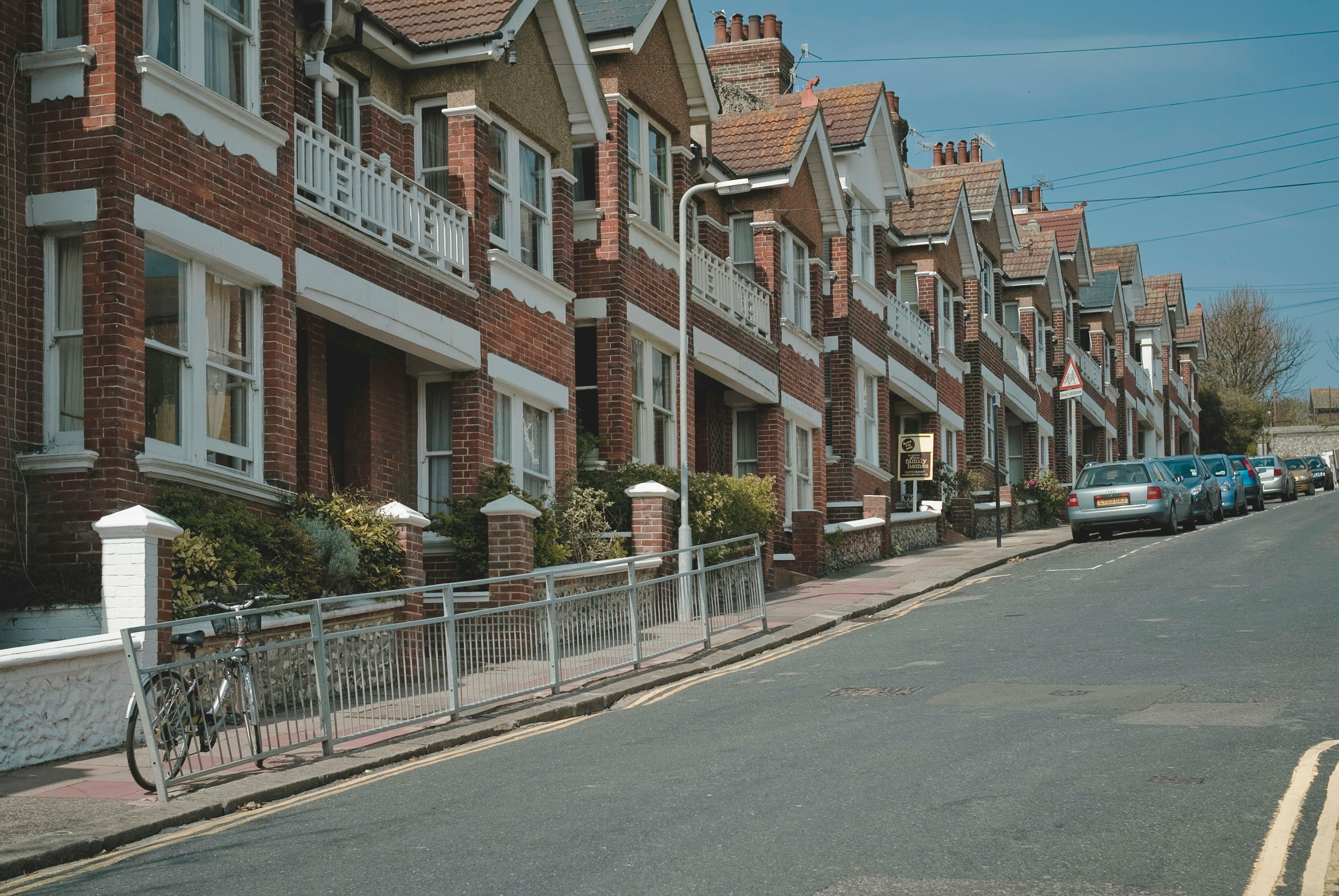
It is a natural thing to do. A house near yours sells, the price reaches you through the street, and you start measuring your own home against it. That instinct is sound, but a single sale is a starting point, not the answer.
Does my neighbour's sale price set my house value?
A comparable, or comp, is a recently sold home similar enough to yours to guide what yours might fetch. Your neighbour's sale is one comparable, and one comparable on its own can mislead, because you rarely know its exact condition inside, what was negotiated, or whether it sold in a stronger month. Value comes from a cluster of recent sales read together, not from the single number that happened to reach your ears.
Why can two similar houses sell for very different prices?
From the pavement, two homes can look like twins. Behind the front door, the things that move price most are often invisible from the street.
What separates two similar-looking homes on price
| Factor | How it moves the price |
|---|---|
| Condition and modernisation | A renovated kitchen and bathroom can add real value; dated or worn interiors take it away |
| Layout and usable space | An extension, a loft conversion, or a better flow can outweigh a matching footprint |
| Plot and outlook | A wider garden, off-street parking, or a quieter aspect lifts price; a busy road or overlooking lowers it |
| Energy efficiency | A stronger EPC rating and lower running costs appeal to more buyers |
| Timing of the sale | A sale agreed in a busier month, or before a rate change, can land higher than the same home months later |
| What was negotiated | The sold price reflects one buyer and one negotiation, not a fixed market rate |
How do I find out what my home is really worth?
- Pull several recent sold prices for genuinely similar homes near you, not just the one next door.
- Note the obvious differences: an extension, a bigger plot, a renovated interior, or a quieter position.
- Check the public record of what homes actually sold for, which is recorded by HM Land Registry, rather than relying on asking prices.
- Get more than one agent's valuation, and ask each to show the comparable sales behind their figure.
- Treat the spread of those numbers as the real picture, and be wary of any single figure that sits far above the rest.
How much can two house price estimates differ?
Even the national indices disagree, which is a useful reminder that no single number is the truth. The point is not which index is right, but that one figure is never the whole story.
Two national house price measures, same period
| Measure | Annual change | Released |
|---|---|---|
| Nationwide House Price Index | +1.7% (year to May 2026) | Jun 2026 |
| Halifax House Price Index | +0.4% (year to April 2026), average home £299,313 | May 2026 |
How many valuations should I get?
More than one, always. A single valuation is a single opinion, and the highest figure is not a promise that a buyer will pay it. Comparing several agents side by side shows you the realistic range and reveals who has read your home most carefully.
Should I price my home to match my neighbour's sale?
Only after you have adjusted for the differences. If their home was extended, modernised, or had a bigger garden, matching their price could leave you over or under valued. Use their sale as one input among several recent comparables.
Are online estimates enough to value my house?
They are a rough guide, not a valuation. Automated estimates cannot see inside your home, your plot, or the condition that moves price most. They are best used alongside real sold prices and an agent who has stood in the property.
Why did one agent value my home much higher than the others?
A higher number sometimes reflects genuine evidence, and sometimes reflects an agent trying to win your instruction. Ask to see the comparable sales behind the figure. An honest valuation can show its working.
ValuQ gives UK homeowners free, side-by-side property valuations from competing local estate agents, so you can compare several views on one screen before you commit to anyone. The aim is the agent with the best read of your home, not the one who simply quotes the biggest number.
One sold price is a clue. A handful of them, read together, is an answer.
Sources
- [1]Nationwide House Price Index, May 2026 · 2026-06-02 · https://www.nationwidehousepriceindex.co.uk/
- [2]Halifax House Price Index, April 2026 · 2026-05-08 · https://www.halifax.co.uk/media-centre/house-price-index.html
- [3]HM Land Registry Price Paid Data (record of actual sold prices) · 2026-05-21 · https://www.gov.uk/government/statistical-data-sets/price-paid-data-downloads
Terms in this article
Plain-English definitions from the ValuQ property glossary.
HM Land Registry
HM Land Registry is the government body recording ownership of land in England and Wales, whose register is the definitive proof of title.
Sale agreed
Sale agreed means an offer has been accepted and the property is coming off active marketing while lawyers take over.
Energy Performance Certificate (EPC)
An Energy Performance Certificate rates a home's energy efficiency from A to G and is legally required before marketing a property for sale.
Read next
Related insights
Does a good school nearby add value to my house?
Should I price my house on what I need for my next one?
House prices now falling in 1 in 3 areas of Britain
What happened to house prices after the last nine Budgets?
Is your asking price where it should be?
ValuQ gives UK homeowners free, side-by-side property valuations from competing local estate agents. Anonymous until you choose. No cold calls.
Get your free anonymous valuationSellers and buyers never pay.