Exchange of contracts vs completion: what's the difference?
Published 29 June 2026 · Reviewed 23 July 2026 · 5 min read · By Evren Ergin
Exchange of contracts is the moment your house sale becomes legally binding; completion is the day ownership and the keys actually change hands. In England and Wales they are two separate steps, usually a few days to a few weeks apart, and that gap is normal.
TL;DR
- •Exchange of contracts makes the sale legally binding, so from that point neither side can pull out without a serious financial penalty.
- •Completion is when the money is transferred, ownership passes, and the buyer gets the keys.
- •The two are usually a few days to a few weeks apart, with the date agreed by both sides at exchange.
- •Before exchange either party can still walk away; after exchange the deal is locked in.
Advertisement

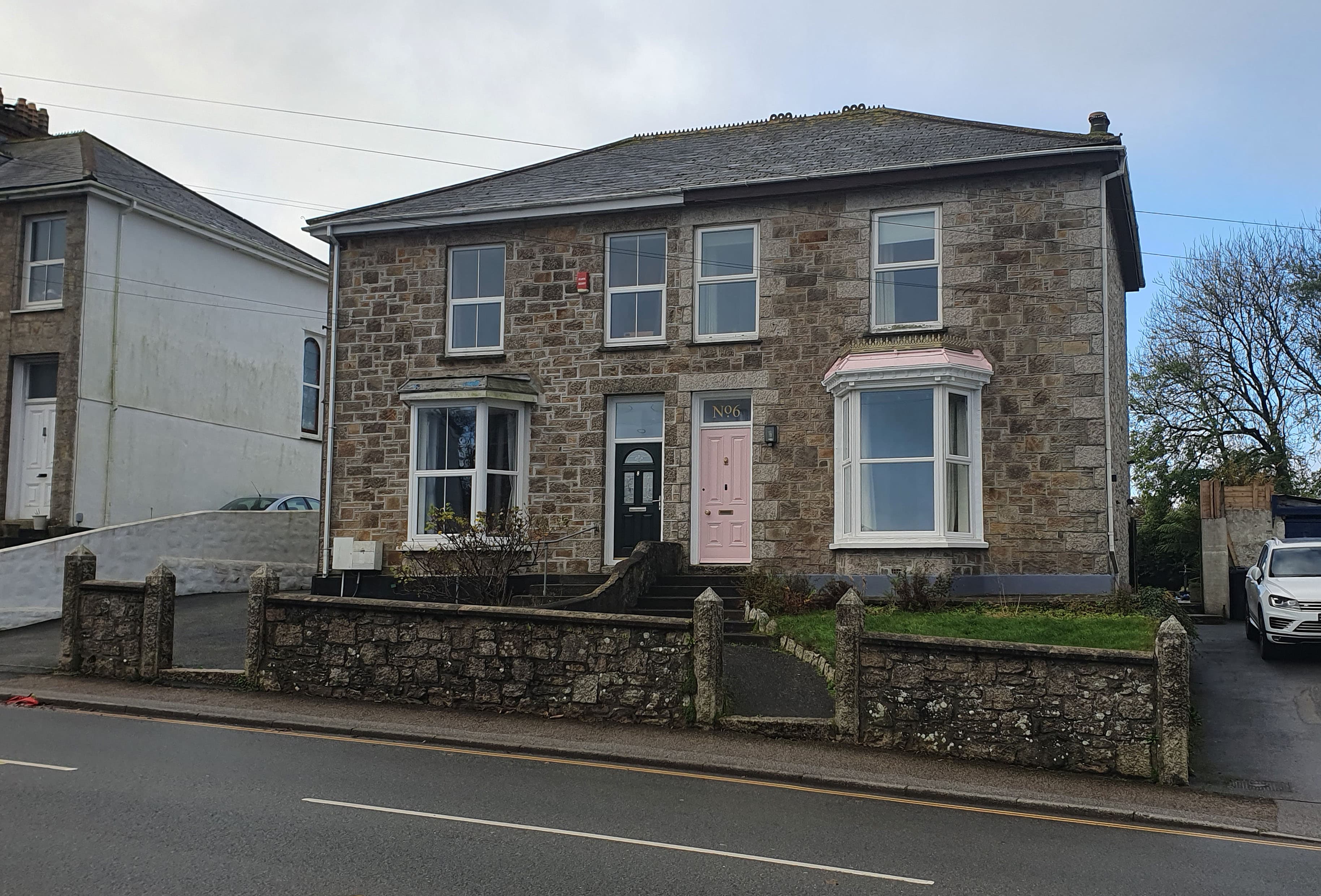
Exchange and completion are the last two steps of a property sale in England and Wales, and people often mix them up. Exchange of contracts is when the deal becomes binding. Completion is when it is finished and the keys change hands.
What is exchange of contracts?
Exchange of contracts is the point at which the buyer's and seller's signed contracts are formally swapped by their solicitors and the sale becomes legally binding. At exchange the buyer usually pays a deposit, commonly around 10 percent of the price, and a completion date is fixed. Up to this moment either side could walk away; after it, they are committed.
What is completion?
Completion is the day ownership of the property legally transfers from seller to buyer. The buyer's solicitor sends the remaining balance to the seller's solicitor, the seller moves out, and once the money arrives the agent is told to release the keys. Completion is the day you actually hand over, or get, the home.
How long is the gap between exchange and completion?
The gap is typically one to four weeks, though it can be longer by agreement, or even the same day. Both sides agree the completion date at exchange, so you know in advance exactly when you are moving.
The final three stages of a sale, side by side
| Stage | What happens | Is it binding? | Money that moves |
|---|---|---|---|
| Offer accepted (SSTC) | Price agreed, sale marked sold subject to contract | No | None |
| Exchange of contracts | Contracts swapped, completion date fixed | Yes, fully binding | Deposit, usually around 10 percent |
| Completion | Ownership and keys transfer | Already binding | Remaining balance of the price |
What happens if someone pulls out after exchange?
After exchange the contract is binding, so pulling out is expensive. A buyer who withdraws usually forfeits their deposit, and either side can be liable for the other's losses, such as the costs of a broken chain. Before exchange, by contrast, either party can walk away without a legal penalty, which is why the period before exchange feels uncertain.
Understanding each step keeps you in control of your sale. ValuQ gives UK homeowners free, side-by-side property valuations from competing local estate agents, so the journey starts on your terms, with a clear view of what your home is worth.
Can I pull out after exchanging contracts?
Only at significant cost. After exchange the contract is binding, so a buyer who withdraws usually loses their deposit and either side can be liable for the other's losses. Before exchange, either party can walk away without legal penalty.
Do exchange and completion ever happen on the same day?
Yes. Same-day exchange and completion is possible, often used to speed up a sale or where there is no chain, but it removes the safety gap and leaves no time to arrange the final move.
When do I get the keys?
On completion day, once the buyer's money reaches the seller's solicitor. The agent is then told to release the keys, usually by early afternoon.
Is the deposit at exchange the same as money I paid earlier?
No. The exchange deposit is a formal sum, usually around 10 percent of the price, paid by the buyer's solicitor to commit to the purchase. It is separate from any small reservation amount paid earlier in the process.
Who sets the completion date?
Both sides agree it at exchange of contracts. In a chain, everyone in the chain has to agree the same completion date, which is why it can take negotiation.
Sources
- [1]GOV.UK, Buying or selling your home · 2026-01-01 · https://www.gov.uk/buy-sell-your-home
- [2]Which?, Mortgages and property guides · 2026-02-01 · https://www.which.co.uk/money/mortgages-and-property
- [3]HomeOwners Alliance, Selling a house guides · 2026-03-01 · https://hoa.org.uk/advice/guides-for-homeowners/i-am-selling/
- [4]The Law Society, Buying and selling a home · 2025-09-01 · https://www.lawsociety.org.uk/
Terms in this article
Plain-English definitions from the ValuQ property glossary.
Exchange of contracts
Exchange of contracts is the moment a sale becomes legally binding, when the two signed contracts are formally swapped and the deposit is paid.
Subject to contract
Subject to contract means an agreement is not legally binding until formal contracts are exchanged.
Exchange deposit
The exchange deposit is the sum, traditionally 10% of the price, paid by the buyer at exchange as security for completing.
Completion date
The completion date is the contractual day the sale must complete, fixed at exchange and binding on both sides.
Read next
Related insights
How many viewings does it take to sell a house?
The buyer's first offer is too low. How do I counter it?
My estate agent wants me to extend my contract. Should I?
The new 2.5% deposit scheme: what it means if you're selling
Know what your home is worth today
ValuQ gives UK homeowners free, side-by-side property valuations from competing local estate agents. Anonymous until you choose. No cold calls.
Get your free anonymous valuationSellers and buyers never pay.