What is conveyancing and how long does it take?
Published 25 June 2026 · 6 min read · By Evren Ergin
Conveyancing is the legal work that transfers ownership of a property from the seller to the buyer, handled by a solicitor or licensed conveyancer. In 2026 it typically takes about 16 to 20 weeks from offer acceptance to completion, though a simple, chain-free sale can finish in as little as 8 weeks.
TL;DR
- •Conveyancing is the legal process that moves a property's ownership from seller to buyer once an offer is accepted.
- •In 2026 the average sale takes roughly 16 to 20 weeks from offer accepted to completion, and chains are the single biggest cause of delay.
- •The seller and buyer each instruct their own conveyancer, who handle contracts, searches, enquiries, exchange and completion.
- •You can line up a conveyancer before you have even accepted an offer, which is the simplest way to save weeks.
Advertisement

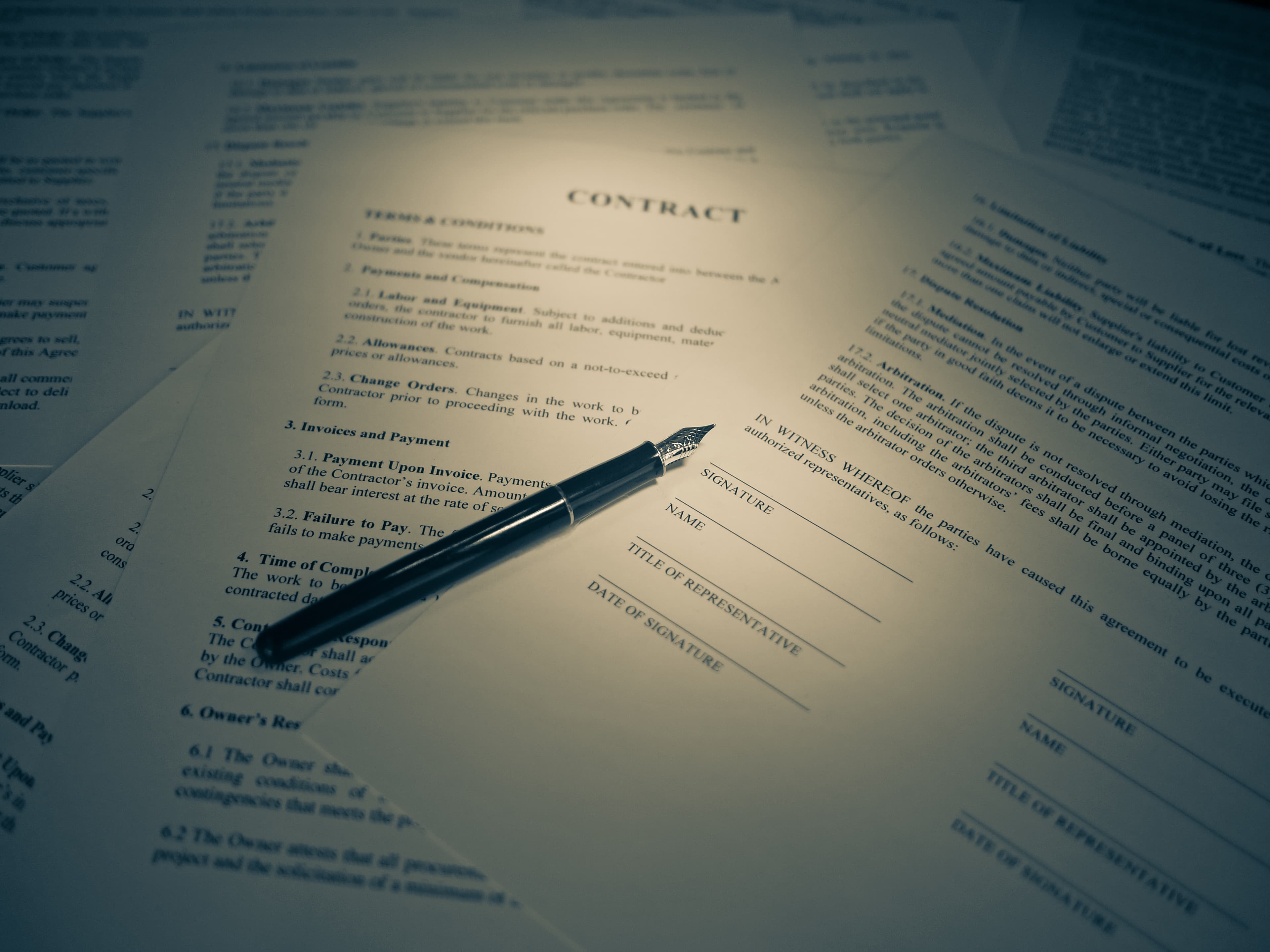
Conveyancing is the part of a move that happens behind the scenes, after the handshake and before the keys. It is the legal work that makes a sale real, and understanding the stages is the best way to keep your own sale moving and spot a delay early.
What does a conveyancer actually do?
A conveyancer is the solicitor or licensed property-law specialist who handles the legal transfer of a home. Each side appoints their own, and the two firms deal with each other on your behalf.
- Draft and check the contract of sale, and the forms describing the property and its fittings.
- Order and review searches, such as local authority, environmental and water searches.
- Raise and answer legal enquiries about the title, boundaries, planning and guarantees.
- Handle the money: the deposit at exchange, then the balance and any mortgage funds at completion.
- Register the new owner with HM Land Registry and pay any Stamp Duty due.
How long does conveyancing take in 2026?
For a typical sale with a chain, expect around 16 to 20 weeks from offer accepted to completion. The biggest variable is the chain: a simple chain-free purchase can complete in roughly 8 weeks, while a long chain can stretch a sale toward six months.
Typical conveyancing time by sale type, UK 2026
| Sale type | Typical time, offer to completion | Source |
|---|---|---|
| Average sale with a chain | 16 to 20 weeks | HomeOwners Alliance, 2026 |
| Freehold house | 14 to 18 weeks | Enact, 2026 |
| Leasehold flat | 14 to 20 weeks | Enact, 2026 |
| Simple chain-free purchase | as little as 8 weeks | Enact, 2026 |
| Exchange to completion | about 1 week | HomeOwners Alliance, 2026 |
What are the main stages of conveyancing?
1. Instruct a conveyancer
Both sides appoint their own solicitor or licensed conveyancer, ideally as soon as the offer is accepted.
2. Draft contract and property forms
The seller's conveyancer sends a draft contract plus the property information and fittings forms.
3. Searches and enquiries
The buyer's conveyancer orders the searches, then raises enquiries on anything that needs clarifying.
4. Mortgage and survey
The buyer's lender issues a formal mortgage offer after its valuation, and the buyer arranges any survey.
5. Exchange of contracts
Both sides sign, a completion date is fixed, the buyer pays a deposit, and the sale becomes legally binding.
6. Completion
The balance is transferred, ownership passes to the buyer, and the keys are handed over.
Why does conveyancing get delayed?
- Property chains, the single biggest cause, where one slow link holds up everyone; a long chain can push a sale toward six months.
- Slow local authority searches, with some councils running four to six weeks behind in 2026.
- Leasehold management packs, which can take two to six weeks to arrive from a managing agent.
- Unanswered enquiries, missing paperwork, or a mortgage offer that takes longer than expected.
How can I speed up my conveyancing?
- Instruct your conveyancer before you accept an offer, so day one is not lost to admin.
- Fill in your property forms early and gather documents (guarantees, planning permissions, the lease) up front.
- Reply to enquiries quickly and keep your conveyancer, agent and mortgage broker talking.
- Choose a buyer in a short or no chain where you can, since the chain is what most often holds a sale up.
Conveyancing rarely stalls because the law is hard. It stalls because paperwork sits waiting. The sellers who complete fastest are the ones who answer quickly and start early.
Conveyancing questions, answered
Do I need a conveyancer to sell my house?
Yes. Transferring legal ownership of a property in England and Wales requires a solicitor or licensed conveyancer; you cannot complete a sale without one.
When does a sale become legally binding?
At exchange of contracts, not when the offer is accepted. Before exchange, either side can pull out without legal penalty, which is why nothing is certain until then.
What is the difference between a solicitor and a licensed conveyancer?
A licensed conveyancer is a property-law specialist; a solicitor is qualified across wider areas of law. Both can handle a standard sale, and a solicitor is often preferred for more complex cases.
How much does conveyancing cost?
Costs vary by property and provider, covering legal fees plus disbursements such as searches and Land Registry fees. A sale proceeds calculator can factor typical conveyancing costs into what you walk away with.
Getting your sale through conveyancing smoothly starts with choosing the right agent and a realistic price from the outset. ValuQ gives UK homeowners free, side-by-side property valuations from competing local estate agents, so you can pick the agent best placed to keep your sale moving. It is free for homeowners, always.
Sources
- [1]HomeOwners Alliance: How long does conveyancing take? The timeline in 2026 · 2026-01-01 · https://hoa.org.uk/advice/guides-for-homeowners/i-am-buying/how-long-does-conveyancing-take/
- [2]Enact: How long does conveyancing take? Realistic timelines in 2026 · 2026-03-01 · https://www.enact.co.uk/2026/03/how-long-does-conveyancing-take-realistic-timelines-in-2026/
Terms in this article
Plain-English definitions from the ValuQ property glossary.
Exchange of contracts
Exchange of contracts is the moment a sale becomes legally binding, when the two signed contracts are formally swapped and the deposit is paid.
Licensed conveyancer
A licensed conveyancer is a property-law specialist regulated by the Council for Licensed Conveyancers rather than the Solicitors Regulation Authority.
Offer acceptance
Offer acceptance is the seller agreeing to a buyer's price, moving the sale into conveyancing.
HM Land Registry
HM Land Registry is the government body recording ownership of land in England and Wales, whose register is the definitive proof of title.
Mortgage broker
A mortgage broker is a regulated adviser who finds and arranges a mortgage on your behalf from the lenders they can access.
Completion date
The completion date is the contractual day the sale must complete, fixed at exchange and binding on both sides.
Mortgage offer
A mortgage offer is the lender's formal, binding commitment to lend, issued after full underwriting and valuation.
Contract pack
The contract pack is the bundle the seller's solicitor issues to start the legal work: draft contract, title documents and the completed property forms.
Read next
Related insights
Can I switch estate agent while my house is on the market?
Can my estate agent use AI to edit photos of my house?
A buyer wants to film my house at the viewing. Should I let them?
How do I know if my estate agent is doing enough?
What is your home worth today?
ValuQ gives UK homeowners free, side-by-side property valuations from competing local estate agents. Anonymous until you choose. No cold calls.
Get your free anonymous valuationSellers and buyers never pay.