Four in five flats didn't sell within six months
Published 12 August 2026 · 5 min read · By Evren Ergin
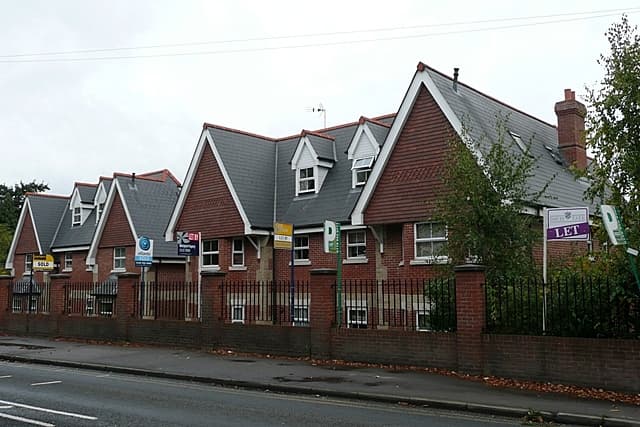
On 11 August 2026, Zoopla reported that four out of five flats put up for sale in the UK failed to find a buyer within around six months, against roughly half of all homes. If your flat has been sitting there, the reason is usually structural rather than personal, and the things that move a flat are not the same as the things that move a house.
TL;DR
- •Zoopla found that 80.5% of flats listed were still unsold after about six months, rising to 84% in the East of England, 85% in the South East and 87% in London.
- •The price gap between the average house and the average flat is now the widest in three decades, with houses up 43% since 2016 and flats up 10%.
- •Lease length, service charges, building safety and lender caution stall more flat sales than the asking price does.
- •Have the leasehold pack, the lease term and the service charge history ready before you list, and choose an agent who can show you flats they have actually sold in your type of building.
Advertisement

What did Zoopla actually find?
Zoopla's analysis, reported on 11 and 12 August 2026, looked at how many flats listed for sale went on to find a buyer within roughly six months. Across the UK, 80.5% did not. Across all property types the figure was closer to half.
Richard Donnell, executive director at Zoopla, put it plainly: "It is not easy out there if you are trying to sell a flat." The pattern is worst where flats are most common.
Share of flats still unsold after around six months on the market (Zoopla analysis, reported August 2026)
| Area | Flats unsold after about six months |
|---|---|
| London | 87% |
| South East | 85% |
| East of England | 84% |
| UK average | 80.5% |
| All property types, UK | Around half |
Why are flats selling so much slower than houses?
A flat is rarely sold as a home alone. Leasehold is a form of ownership where you own the property for a fixed number of years while someone else owns the building it sits in, so the buyer is taking on a lease, a running cost and a building, and their lender looks at all three. Five things do most of the damage.
- Lease length. A short lease narrows the pool of lenders willing to touch the flat. Zoopla's analysis found about one in five leasehold listings has under 100 years left to run.
- Service charges. A service charge is the annual sum a leaseholder pays towards the running of the building. Zoopla puts the typical figure at around £1,900 a year, with ground rent of about £200 on top, and a buyer treats that as a permanent bill when they work out what they can afford.
- Building safety. Cladding and fire safety paperwork can still hold up a flat sale in blocks that need it, because a lender wants the position evidenced before it commits.
- Lender caution on leasehold. Underwriting on leasehold flats has tightened, so a buyer who is fine on paper can still be refused on the building.
- Reform uncertainty. Leasehold reform is in motion, and some buyers are waiting to see where it lands before committing to a leasehold home.
How wide is the gap between houses and flats now?
The widest in three decades, on Zoopla's numbers. Since 2016, the average house has risen 43% while the average flat has risen 10%. That is one home type carrying the market and the other standing still.
Zoopla's July 2026 House Price Index, published on 30 July 2026, showed the same split in miniature: flats and maisonettes down 1.7% over the year at an average of £192,200, while semi-detached homes rose 1.9% and terraces rose 1.7%. UK growth overall was 1.3%.
A flat that will not sell is usually carrying a question the buyer cannot answer. Answer it before they ask, and the flat starts moving.
What should I do if my flat isn't selling?
Price is the last lever, not the first. Work through the paperwork and the presentation of the lease before you take money off, because a discount on an unanswered question just buys you a nervous buyer.
- Order the leasehold management pack now rather than when an offer arrives. It is the single most common cause of a flat sale drifting for weeks after agreement.
- Get the exact remaining lease term in writing and put it in the listing. Buyers assume the worst when it is missing.
- Publish the service charge and ground rent figures, and the last two years of accounts if you have them. A known cost is easier to buy than an unknown one.
- If the block has had building safety work or an assessment, have the documents to hand and say so up front.
- Ask each agent to show you the flats they have sold in the past year in buildings like yours. Selling a flat in this market is a specific skill, not a general one.
- Only then look at price, and look at it against what other flats in the block have actually sold for rather than what they are asking.
Would cutting the price fix it?
Sometimes, and plenty of sellers are trying. Sprift's July 2026 market data, reported on 11 August 2026, showed 31.3% of listings nationally had been reduced, rising to 43.6% in the South East. The same data put the average time on market at 155 days and showed 209,941 new listings against 114,561 sales agreed in the month.
So a reduction alone is no longer distinctive. The flats that sell are the ones where the buyer can see the lease, the costs and the building position without having to dig.
Is it a bad time to sell a flat?
It is a slower time, not an impossible one. Around one in five flats listed did find a buyer inside six months on Zoopla's August 2026 figures, and the ones that did were generally the ones where the lease length, service charge and building safety position were clear from the start.
Should I extend the lease before I sell?
It depends on the term left and what it costs. Under 80 years is the point at which extension costs jump and lender appetite narrows, so that is the threshold to check first. Get the figure before you decide, because sometimes the cleaner route is to price the flat with the extension cost accounted for and let the buyer do it.
Will the flat and house gap close again?
Nobody can promise that, and any figure put on it would be a guess. What the current data shows is a gap at its widest in three decades, driven by costs and paperwork that a seller can partly control and partly cannot.
Does my agent matter more when I am selling a flat?
Yes. A house largely sells on the house. A flat sells on the lease, the costs, the building and the agent's ability to explain all three to a cautious buyer and their lender.
Where does ValuQ fit in?
ValuQ gives UK homeowners free, side-by-side property valuations from competing local estate agents. For a flat, that comparison is the point: you can see which agents have a real answer for the lease, the service charge and the building before you hand any of them the instruction, and you stay anonymous while you decide.
Sources
- [1]Property Industry Eye, Four out of five flats fail to sell within six months, says Zoopla · 2026-08-12 · https://propertyindustryeye.com/four-out-of-five-flats-fail-to-sell-within-six-months-says-zoopla/
- [2]The Negotiator, Four out of five flats fail to sell 'within six months', warns Zoopla · 2026-08-11 · https://thenegotiator.co.uk/news/uk-housing-market-news/four-out-of-five-flats-fail-to-sell-within-six-months-warns-zoopla/
- [3]AOL Money, 'The market is dead': why aren't flats in England selling? (Zoopla analysis, regional breakdown) · 2026-08-08 · https://www.aol.co.uk/articles/market-dead-why-aren-t-090042000.html
- [4]Mortgage Solutions, House price inflation at 1.3% as market slows over summer (Zoopla House Price Index, July 2026) · 2026-07-30 · https://www.mortgagesolutions.co.uk/mortgage-news/2026/07/30/house-price-inflation-at-1-3-as-market-slows-over-summer-zoopla/
- [5]Property Industry Eye, New listings outpaced sales agreed in July (Sprift Sales Market Intelligence Report) · 2026-08-11 · https://propertyindustryeye.com/new-listings-outpaced-sales-agreed-in-july/
Terms in this article
Plain-English definitions from the ValuQ property glossary.
LPE1 management pack
The LPE1 is the standard information pack about a leasehold property's charges, works, disputes and insurance, completed by the freeholder or managing agent for a sale.
Time on market
Time on market is how long a property has been listed without selling, visible to every buyer through portal history.
Service charge
A service charge is the leaseholder's share of the building's running costs: maintenance, insurance, cleaning, lifts and management.
Underwriting
Underwriting is the lender's full assessment of an application: income, credit, deposit source and the property itself.
Short lease
A short lease is one with few enough years left that mortgage lenders retreat and the price discounts toward cash buyers.
Ground rent
Ground rent is the annual payment a leaseholder makes to the freeholder simply for occupying the land, distinct from service charges.
Read next
Related insights
Can I switch estate agent while my house is on the market?
Can my estate agent use AI to edit photos of my house?
A buyer wants to film my house at the viewing. Should I let them?
How do I know if my estate agent is doing enough?
What is your home worth today?
ValuQ gives UK homeowners free, side-by-side property valuations from competing local estate agents. Anonymous until you choose. No cold calls.
Get your free anonymous valuationSellers and buyers never pay.