My estate agent wants me to drop the price. Should I?
Published 1 July 2026 · 6 min read · By Evren Ergin
If your agent is suggesting a price cut, it usually means your home has had time on the market without the offers you both hoped for. Sometimes that advice is exactly right, and sometimes it is a sign the home was valued too high at the start, so the way to decide is to look at the viewing and offer data, not the agent's opinion alone.
TL;DR
- •A price reduction can be the right move, but only once you know whether the problem is the price or the marketing.
- •Plenty of viewings with no offers points to price; few viewings points to photos, description or portal exposure.
- •If your home was valued highest of all the agents you saw, a reduction now may simply be correcting an asking price set to win the instruction.
- •When a cut is genuinely needed, make one meaningful reduction rather than a slow drip of small ones, and set a target and a review date.
Advertisement

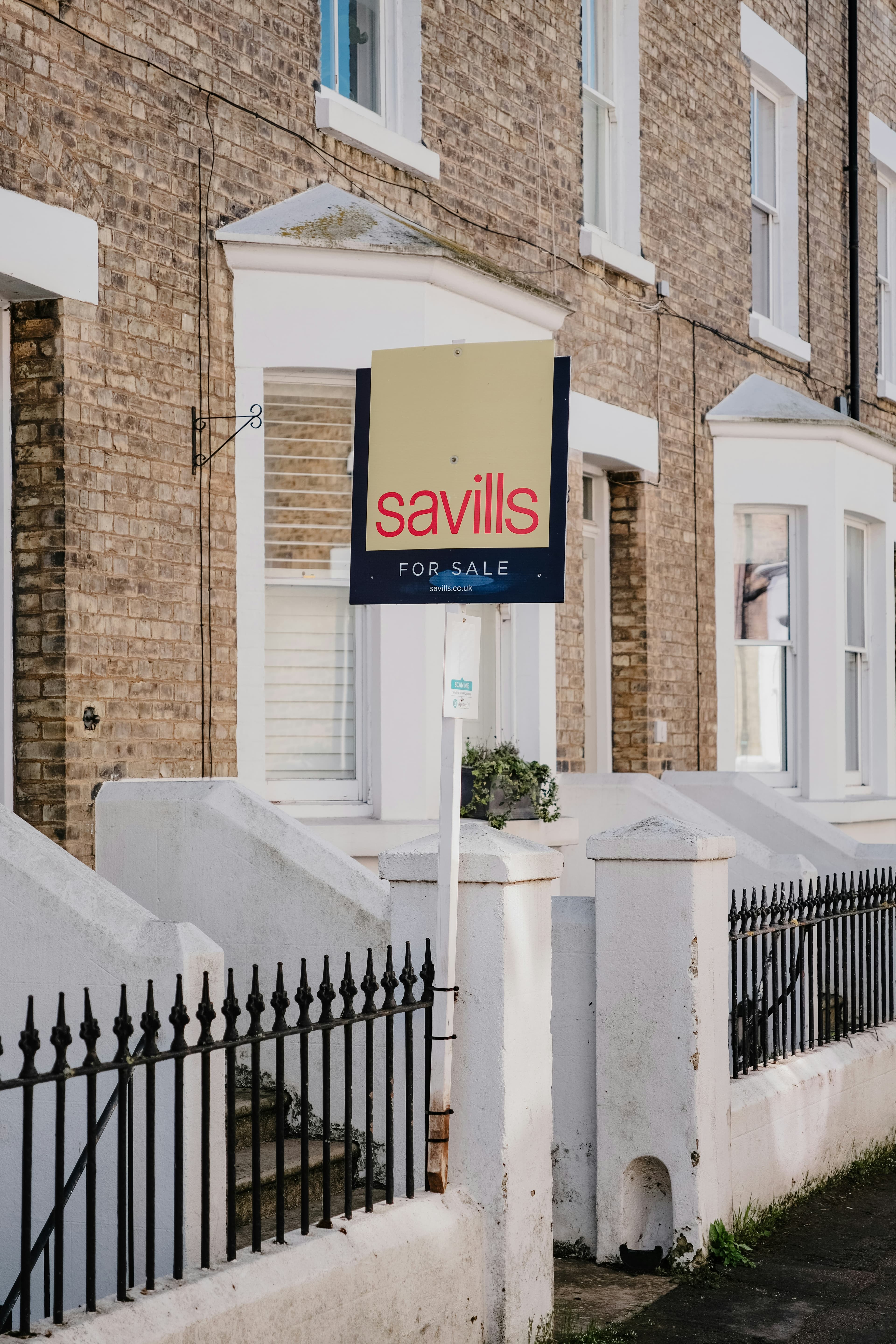
This is one of the more deflating moments in a sale, and it is also one of the most common. A request to reduce is not a failure, and it is not necessarily a sign your agent got it wrong. It is a prompt to check the evidence together and make a calm, deliberate decision.
What does a price reduction actually do?
A price reduction does two things. It brings your home into the search results of buyers whose maximum was just below your old figure, and on the major portals it flags the listing as reduced, which pushes it back in front of people who had already scrolled past. A well-judged reduction can restart interest. A panicky one can signal weakness.
Is the price the problem, or is it the marketing?
Before you change the price, work out what the market is actually telling you. The clearest signal is the gap between how many people view and how many then offer. Viewings measure whether the price gets people through the door; offers measure whether the home, once seen, is worth the asking figure to them.
Reading the signals before you reduce
| What is happening | Most likely cause | First move |
|---|---|---|
| Plenty of viewings, no offers | The price is above what buyers value it at once they see it | A price reduction is worth serious consideration |
| Few viewings, little interest | Photos, description or portal exposure, not the price itself | Fix the listing before touching the price |
| No viewings at all | The price sits far above the local market, or the listing is barely visible | Review the price and the marketing together |
Was my home valued too high to begin with?
This is the honest question worth asking. The property industry has a long-standing pattern where the agent who quotes the highest figure wins the instruction, and the reduction conversation arrives a few weeks later. That is a fault in the model, not a judgement on any one agent, and plenty of price-cut advice is sound and well-meant. But if the agent you chose valued your home noticeably higher than the others you saw, today's suggested reduction may simply be bringing the price back to where the market always was.
How do I decide whether to reduce?
1. Ask your agent for the numbers
Request the viewing count, the written feedback, and how your home compares with similar properties that are live now and that have recently sold. Opinion is easy; data is harder to argue with.
2. Compare against sold prices, not asking prices
Look at what genuinely similar homes near you actually sold for, not what other sellers are hoping to get. Asking prices can all be optimistic together.
3. Separate price from presentation
Check your main photo, the description and the portal placement first. If the listing is weak, improving it can lift viewings without dropping a penny.
4. If it is the price, cut decisively once
When the evidence says the price is too high, make a single meaningful reduction that reaches a new band of buyers, rather than a series of small cuts that make a home look stale.
5. Set a target and a review date
Agree the figure you would accept and a date to reassess. Deciding by plan keeps you in control, rather than reacting to pressure week by week.
Why is one decisive cut better than several small ones?
A home that drops by a small amount every couple of weeks tells buyers the seller is drifting and invites them to wait for the next cut. A single, well-pitched reduction lands the home in a fresh set of search results and reads as a clear, confident repricing. In a softer market this matters more: in June 2026 buyer demand was down 10% on the year and average asking prices fell 0.6% to £376,191, so the homes that sell are the ones priced to meet the market, not chase it down.
What does a reduction cost me?
Run the numbers before you agree to anything, because a reduction is real money off what you walk away with. The average UK home was worth around £271,900 in June 2026 and prices were up just 1.5% over the year, so a few percent off the asking price can erase a year of growth. Pricing correctly from the start is what avoids the slow, costly grind of repeated cuts.
Where ValuQ fits
The reduction conversation usually starts long before it happens, at the moment of valuation. ValuQ gives UK homeowners free, side-by-side property valuations from competing local estate agents, so you compare their figures and the evidence behind them on one screen, and the best agent wins on an accurate, defensible valuation rather than the biggest number. Price it right at the start and you rarely have this conversation at all.
Sources
- [1]Rightmove House Price Index, June 2026 (asking prices, buyer demand, mortgage rates) · 2026-06-16 · https://www.rightmove.co.uk/news/house-price-index/
- [2]Zoopla, UK house prices: the complete guide, June 2026 (average price and annual growth) · 2026-06-25 · https://www.zoopla.co.uk/discover/property-news/whats-happening-with-house-prices-in-the-uk/
Terms in this article
Plain-English definitions from the ValuQ property glossary.
Read next
Related insights
How many viewings does it take to sell a house?
The buyer's first offer is too low. How do I counter it?
My estate agent wants me to extend my contract. Should I?
The new 2.5% deposit scheme: what it means if you're selling
Want a second opinion on your sale?
ValuQ gives UK homeowners free, side-by-side property valuations from competing local estate agents. Anonymous until you choose. No cold calls.
Get your free anonymous valuationSellers and buyers never pay.