My buyer's mortgage offer is about to expire. What happens?
Published 2 July 2026 · 5 min read · By Evren Ergin
A buyer's mortgage offer running out rarely ends a sale. Most lenders will extend the offer or re-issue a fresh one when the buyer asks, so the usual result is a short delay, not a collapse.
TL;DR
- •A mortgage offer is time-limited, usually valid for three to six months, and long chains in 2026 mean some run out before completion.
- •When an offer expires the lender normally grants an extension or issues a new offer after a quick re-check of the buyer's circumstances.
- •Your job is to keep your own side moving and to read whether the delay is a normal hold-up or a sign your buyer is not fully committed.
- •Line up your own solicitor early, but do not make big, hard-to-reverse moves until the buyer's finance is confirmed.
Advertisement

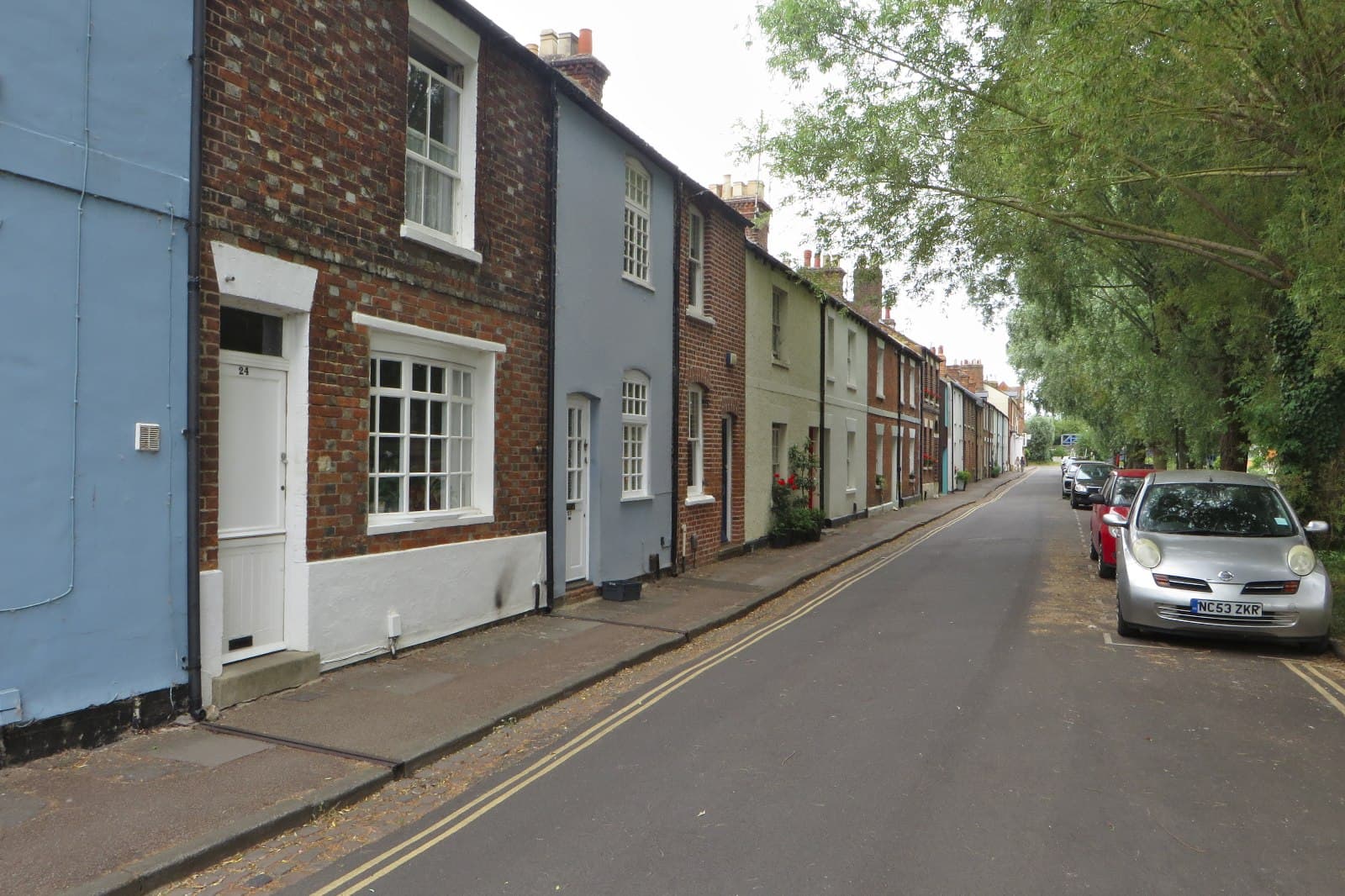
If your estate agent has just told you the buyer's mortgage offer is close to running out, it is easy to assume the sale is about to fall apart. It usually is not. A mortgage offer expiring is one of the most common speed bumps in a slow-moving chain, and the standard fix is a phone call from the buyer to their lender.
Why do mortgage offers expire?
A mortgage offer is the formal written confirmation from a lender that it will lend a set amount against a specific property. It comes with an expiry date because a lender does not want to be bound to rates and to a borrower's circumstances forever.
Offers run out simply because sales take a long time. In 2026 the average sale takes around five months to get from agreed to completed, and longer chains push some purchases past the point where the original offer was still valid.
How long does a mortgage offer last?
Most mortgage offers are valid for three to six months from the date they are issued. The clock starts when the offer is made, not when the sale is agreed, so a buyer who took a while to find your home may already be part-way through that window before contracts are anywhere near ready.
The timing squeeze behind an expiring offer (2026)
| Measure | Typical figure | Why it matters |
|---|---|---|
| Mortgage offer validity | 3 to 6 months | The offer can lapse before a slow chain completes |
| Time from sale agreed to completion | About 5 months on average | Completion often lands near or past the offer's expiry |
| Agreed sales that fall through | About 24% in 2025 and into 2026 | Some collapse, but most delays are recovered, not fatal |
What actually happens when the offer expires?
When an offer lapses, the buyer goes back to their lender and asks for either an extension or a fresh offer. An extension is the lender agreeing to hold the existing offer open past its original date. A re-issue is a brand new offer, which means the lender rechecks the buyer's income, credit and the property, and the rate may differ from the one they first locked in.
Most of the time this is routine and adds days or a couple of weeks, not months. The risk sits with the buyer's finances, not with you as the seller, so the practical question is how solid that buyer is.
What should I do when my buyer's offer is running out?
1. Confirm the exact date
Ask your agent to get the precise expiry date and whether the buyer has already contacted their lender about it.
2. Find out the reason for the delay
Establish what has actually held things up, whether it is searches, the chain, the survey or slow conveyancing, because that tells you how worried to be.
3. Push for an early re-check
Encourage the buyer to request an extension or a new offer sooner rather than at the last moment, as lenders need lead time.
4. Keep your own side moving
Make sure your solicitor has everything they need so that you are never the reason the sale misses the window.
5. Read the buyer's commitment
Check what the buyer has actually done and paid for, such as instructing a solicitor, ordering searches and booking a survey, rather than relying on what they say.
6. Hold your nerve on price
Do not agree to any change in price or terms just because of a paperwork delay, unless there is a genuine, evidenced reason to.
How do I tell a normal delay from a warning sign?
This is where you protect yourself. A buyer's true commitment shows in what they have spent and instructed, not in reassurance. Move in step with them and avoid running ahead.
- Normal: the buyer has asked their lender for an extension, the hold-up is a longer chain or searches sitting in a council queue, and their solicitor is active.
- Normal: the offer lapsed on time simply because the whole chain is moving slowly together.
- Red flag: the buyer cannot explain why the offer lapsed, or talks about needing to re-check whether they can still afford it.
- Red flag: weeks in, the buyer still has not instructed a solicitor, paid for searches or booked a survey, or is still viewing other homes.
A buyer who is genuinely committed spends money to prove it. One who only offers reassurance is telling you where you stand.
Keep lining up your own solicitor early, because that is cheap and keeps momentum. Hold back on the bigger, harder-to-undo moves, such as taking your home off the market permanently or paying for extra packs, until the buyer's finance is confirmed. Around a quarter of agreed sales fall through, so this caution is simply reading the situation clearly.
Can a seller do anything to stop a mortgage offer expiring?
Not directly, because the offer belongs to the buyer and their lender. What you can do is remove every delay on your side and keep the pressure on for the buyer to renew early.
Will the buyer get a worse rate if the offer is re-issued?
Possibly. A re-issued offer is a new offer at the rates available then, which could be higher or lower than the original, so a buyer on a tight budget may need to recheck their sums.
Does an expired offer mean I should re-market my home?
Rarely on its own. Give the buyer a short, clear deadline to confirm the extension, and only consider re-marketing if they cannot show their finance is still in place.
ValuQ is a platform that gives UK homeowners free, side-by-side property valuations from competing local estate agents, so you start your sale in control and can judge a buyer, and an agent, on evidence rather than pressure.
Sources
- [1]HomeOwners Alliance, buying guides (mortgage offers and the buying process) · 2026-01-15 · https://hoa.org.uk/advice/guides-for-homeowners/i-am-buying/
- [2]ABC Money, UK Housing Market Under Strain as 24% of Property Sales Fall Through in Early 2026 · 2026-05-01 · https://www.abcmoney.co.uk/2026/05/uk-housing-market-under-strain-as-24-of-property-sales-fall-through-in-early-2026
- [3]GOV.UK, Homebuying shake-up to slash delays, cut costs and stop sales falling through · 2026-01-01 · https://www.gov.uk/government/news/homebuying-shake-up-to-slash-delays-cut-costs-and-stop-sales-falling-through
- [4]Rightmove House Price Index, June 2026 · 2026-06-23 · https://www.rightmove.co.uk/news/house-price-index/
- [5]Nationwide House Price Index, June 2026 · 2026-07-01 · https://www.nationwidehousepriceindex.co.uk/
Terms in this article
Plain-English definitions from the ValuQ property glossary.
Read next
Related insights
Mortgage approvals hit their lowest since 2023. What now?
My house didn't sell last year. Should I try again now?
Mortgage rates rose after I agreed my move. Should I still go?
How many viewings does it take to sell a house?
Know what your home is worth today
ValuQ gives UK homeowners free, side-by-side property valuations from competing local estate agents. Anonymous until you choose. No cold calls.
Get your free anonymous valuationSellers and buyers never pay.