Mortgage approvals rose in June. So did what buyers pay.
Published 30 July 2026 · 6 min read · By Evren Ergin
On 29 July 2026 the Bank of England reported that 58,200 mortgages were approved for house purchase in June, up from 56,600 in May. The same release showed the average rate actually paid on newly drawn mortgages climbed to 4.35%, its highest in more than a year, so more buyers are getting through the door while each one is borrowing at a higher cost.
TL;DR
- •Approvals for house purchase rose to 58,200 in June 2026 from 56,600 in May, but stayed below the previous six-month average of about 61,400.
- •The effective interest rate on newly drawn mortgages rose to 4.35% in June from 4.22% in May, the highest in over a year, even while sub-4% headline deals were being advertised.
- •Net mortgage borrowing jumped to £7.7bn in June from £3.3bn in May, well above the six-month average of £4.9bn.
- •For sellers, the buyer pool is holding rather than growing, and a buyer's real borrowing power is set by the rate they are offered, not the rate in the advertisement.
Advertisement

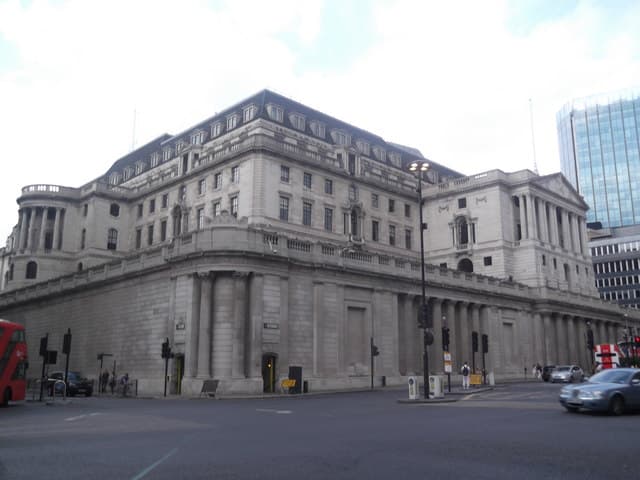
The Money and Credit release is the Bank of England's monthly count of how much households borrowed and how many mortgages lenders agreed. It is the closest thing the market has to a headcount of buyers who have cleared the affordability checks, which is why sellers should read it even though it never mentions house prices.
What did the Bank of England actually report?
Five figures matter to anyone selling this summer. Approvals went up, borrowing went up sharply, and the cost of the money went up with them.
Bank of England Money and Credit, released 29 July 2026. Figures for June 2026.
| Measure | May 2026 | June 2026 | Previous six-month average |
|---|---|---|---|
| Mortgage approvals for house purchase | 56,600 | 58,200 | About 61,400 |
| Remortgage approvals | 33,800 | 34,200 | Not given in this release |
| Net mortgage borrowing by individuals | £3.3bn | £7.7bn | £4.9bn |
| Effective rate on newly drawn mortgages | 4.22% | 4.35% | Not given in this release |
| Effective rate on all outstanding mortgages | 3.92% | 3.96% | Not given in this release |
The effective interest rate is the average rate borrowers actually ended up paying on the mortgages they took out that month. It is not the same as the lowest advertised rate, and the gap between the two is the whole story in this release.
Why did approvals rise while the rate buyers pay went up too?
Headline rates and average paid rates move for different reasons. A lender can advertise a sub-4% deal that only a buyer with a 40% deposit and a clean file can reach, while the typical buyer takes something well above it.
- The cheapest advertised deals usually carry the lowest loan-to-value bands and the highest arrangement fees, so most buyers do not qualify for them or do not choose them.
- The mix shifts. When more first-time buyers with smaller deposits complete, the average rate paid rises even if no lender changed a single price.
- The rate on the whole outstanding stock hit 3.96% in June, a record high, because people are still rolling off fixes agreed when money was cheaper.
- Net borrowing of £7.7bn in June against £3.3bn in May shows a large volume of drawdowns landing at once, which is a completion effect from offers agreed earlier in the spring.
What does this mean if I am selling right now?
It means the pool of buyers who can actually borrow is steady rather than growing, at a moment when the number of homes competing for them is not. Rightmove reported on 20 July 2026 that average asking prices fell 1.0% over the month to £372,359, which is a far bigger July fall than the usual seasonal dip.
- Approvals at 58,200 are still below the six-month average of about 61,400, so demand is holding, not recovering.
- A buyer's offer is capped by the rate they were offered, which in June averaged 4.35%, not by the lowest rate in a comparison table.
- Pricing above the evidence is the expensive mistake in this market. Buyers who scrape through affordability at 4.35% have no headroom to stretch.
- The buyers who do come forward are better qualified than they look, because the affordability check they passed was done at today's cost of money.
How do I read a buyer's borrowing power properly?
Ask for evidence of what the buyer has been offered, not what they hope to get. A mortgage in principle is a lender's provisional statement of what it would lend, based on a credit check and the figures the buyer gave. It is useful, and it is not an offer.
- Ask which lender, what deposit, and whether the mortgage in principle is dated within the last three months.
- Ask whether the rate they were quoted is fixed and for how long, because a buyer waiting for a cheaper rate is a buyer who may pause your sale.
- Treat a buyer who has already paid a broker and booked a valuation as more committed than one who has only browsed rates.
- Keep your own moves in step with theirs. Instructing a solicitor early is cheap and keeps momentum, but the larger spends and the decision to come fully off the market are better held back until the buyer has committed their own money.
A buyer's borrowing power is set by the rate they were offered, not the rate in the advertisement. Price to the first number, not the second.
What else should a seller take from this release?
Are mortgage approvals a good guide to house prices?
They are a good guide to demand roughly two to four months ahead, because an approval usually turns into a completion within that window. They say nothing directly about price, but sustained approvals below the recent average tend to show up later as slower sales and softer asking prices.
Why is the average rate paid higher than the rates I see advertised?
The cheapest advertised deals sit in the lowest loan-to-value bands and often carry large fees. The effective rate of 4.35% in June is the average across every mortgage actually drawn down that month, including higher loan-to-value lending and product transfers, so it will almost always sit above the headline.
Does the rise in net borrowing mean the market is picking up?
Not on its own. Net borrowing of £7.7bn in June reflects money drawn down on purchases agreed weeks or months earlier. Approvals are the forward-looking number, and at 58,200 they remain below the previous six-month average of about 61,400.
Should I wait for rates to fall before I sell?
The rate on the whole outstanding stock reached a record 3.96% in June, which shows the cost of borrowing across the market is still working its way upward rather than downward. Waiting is a bet on a specific future, and the thing you can control today is what your home is priced at and how many agents you compared before setting it.
Where does this leave your asking price?
The number to get right is the one you set at the start, because a home that launches above what buyers can borrow spends the summer collecting viewings and no offers. The way to test it is to see what more than one local agent will put in writing, side by side, before you commit to any of them.
ValuQ is a platform that gives UK homeowners free, side-by-side property valuations from competing local estate agents. Sellers stay anonymous until they choose to connect, so comparing the numbers costs nothing and starts no phone calls.
Sources
- [1]Bank of England, Money and Credit: June 2026 · 2026-07-29 · https://www.bankofengland.co.uk/statistics/money-and-credit/2026/june-2026
- [2]Mortgage Solutions, House purchase approvals up, but market recovery remains uneven · 2026-07-29 · https://www.mortgagesolutions.co.uk/mortgage-news/2026/07/29/house-purchase-approvals-up-but-market-recovery-remains-uneven-boe/
- [3]Money Age, Mortgage borrowing jumps in June as approvals edge up · 2026-07-29 · https://moneyage.co.uk/Mortgage-borrowing-jumps-in-June-as-approvals-edge-up.php
- [4]Rightmove House Price Index, July 2026 · 2026-07-20 · https://www.rightmove.co.uk/news/house-price-index/
Terms in this article
Plain-English definitions from the ValuQ property glossary.
Read next
Related insights
Detached homes sell at a loss 60% more often than semis
What's the best day and time to hold house viewings?
My buyer wants a reservation agreement. Should I sign?
My deeds don't match my fence. Will that stop my sale?
See every local agent on one screen.
Free for homeowners. Always. No cold calls. No data sales. No starting-line advantage for the fastest dialler in town.
Get your free anonymous valuationSellers and buyers never pay.