Revealed: the seaside towns where pandemic buyers are selling at a loss
Published 12 June 2026 · 6 min read · By Evren Ergin
Almost one in three homes bought in Minehead or Bideford during the pandemic boom and resold this year went for less than the owner paid, against roughly one in ten nationally. New ValuQ analysis of completed Land Registry sales shows the race for space being quietly handed back, town by town, along the English coast.
TL;DR
- •ValuQ analysed 101,520 completed resales of homes bought between July 2020 and December 2022: 10.3% sold below their purchase price, with a median loss of £15,000.
- •The losses cluster hard on the coast: 12 of the 15 worst-hit towns are seaside, led by Minehead and Bideford at 31.6%.
- •Flats are the other casualty: 19.5% of pandemic-bought flats resold at a loss, against about 7% of semis and terraces.
- •In parts of the North, pandemic buyers have barely lost at all: Runcorn, Wallsend and Warrington recorded zero loss-making resales in the data.
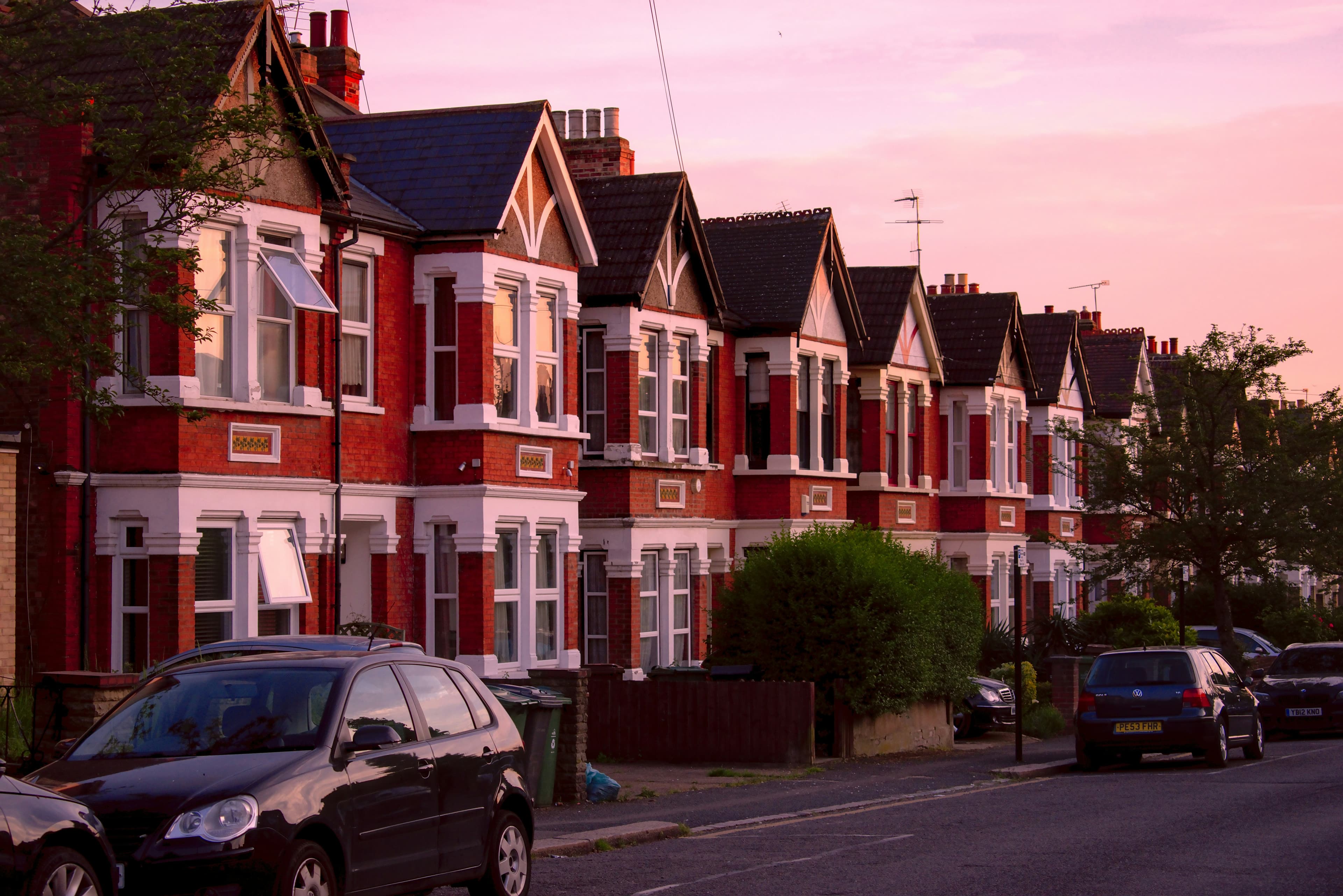
Research by ValuQ: we analysed 29.5 million market sales in HM Land Registry's Price Paid data to 30 April 2026, matched homes bought in the pandemic boom to their completed resales, and ranked every town by the share of owners who sold for less than they paid.
ValuQ Property Watch. The race for space was the defining property story of the pandemic: city households paying peak prices for coastal and country homes. Five years on, the receipts are arriving. Among the 101,520 existing homes bought between July 2020 and December 2022 and resold since January 2025, 10.3% completed below their purchase price. The median loss-maker gave back £15,000. And the pain is not spread evenly; it is concentrated almost exactly where the pandemic premium was paid.
Which towns are pandemic buyers losing money in?
The league table below ranks towns by the share of pandemic-era purchases that resold at a loss, among towns with at least 40 completed resales in the data. Twelve of the worst 15 sit on the coast.
ValuQ analysis: share of pandemic-era purchases (Jul 2020 to Dec 2022) resold at a loss since January 2025, completed sales
| Town | Resales analysed | Sold at a loss | Median loss when a loss |
|---|---|---|---|
| Minehead, Somerset | 57 | 31.6% | £19,500 |
| Bideford, Devon | 98 | 31.6% | £16,000 |
| Bude, Cornwall | 42 | 31.0% | £21,000 |
| St Leonards-on-Sea, East Sussex | 121 | 30.6% | £16,000 |
| Deal, Kent | 59 | 30.5% | £35,500 |
| Coulsdon, Greater London | 44 | 29.5% | £15,000 |
| Seaford, East Sussex | 55 | 29.1% | £21,250 |
| Honiton, Devon | 55 | 29.1% | £15,250 |
| Paignton, Torbay | 105 | 28.6% | £18,250 |
| Hastings, East Sussex | 90 | 27.8% | £28,000 |
| Bexhill-on-Sea, East Sussex | 109 | 27.5% | £15,000 |
| Whitstable, Kent | 63 | 27.0% | £35,000 |
| Stowmarket, Suffolk | 115 | 27.0% | £12,000 |
| Herne Bay, Kent | 83 | 26.5% | £22,500 |
| Ramsgate, Kent | 102 | 26.5% | £24,000 |
| England and Wales overall | 101,520 | 10.3% | £15,000 |
At the other end of the table the loss shares fall to almost nothing. Runcorn, Wallsend, Sowerby Bridge, Warrington and Heywood recorded no loss-making pandemic-cohort resales at all in the data, and much of the North West and North East sits below 3%. The market that least repriced after the pandemic is the one that never carried a pandemic premium in the first place.
Why are the losses concentrated on the coast?
Because that is where the premium went. Coastal and lifestyle towns absorbed the sharpest pandemic price surges as buyers competed for space and sea air, and those peaks are exactly what a 2025 or 2026 sale is now being measured against. A homeowner who bought the same kind of house in Warrington paid no boom premium, so there is none to hand back.
Property type tells the same story from another angle. Of pandemic-bought flats resold since January 2025, 19.5% went for less than the owner paid, against 6.9% of semi-detached houses and 7.2% of terraces. Detached homes, the trophy of the race for space, sit at 11.3%, worse than the ordinary family house.
ValuQ analysis: pandemic-era purchases resold at a loss, by property type
| Property type | Resales analysed | Sold at a loss | Median outcome (all resales) |
|---|---|---|---|
| Flat | 19,410 | 19.5% | +£15,000 |
| Detached | 19,879 | 11.3% | +£52,000 |
| Terraced | 32,814 | 7.2% | +£34,000 |
| Semi-detached | 29,417 | 6.9% | +£40,000 |
Is this the same as the asking-price picture?
No, and the gap is the point. Hamptons reported in May 2025 that 88% of sellers who bought in 2021 were asking more than they paid. Asking is not getting. Our figures are completed Land Registry sales, money actually moved, and they show the optimism of the listing page meeting the verdict of the market. A seller can ask whatever they like; the completion price is the truth.
What does this mean for your own home?
If you bought between mid-2020 and the end of 2022, the single most useful thing you can know is which side of this table your town, and your street, sits on. The honest answer is rarely guessable from headlines: Basildon, for example, sits at 7.5%, comfortably better than the national average, with a median pandemic-cohort gain of £37,250. The way to know what your home would fetch now is to ask the people who sell homes like yours every week.
- Sellers in the worst-hit towns: price on today's evidence, not on what the home cost you in 2021. A home priced to its 2021 receipt rather than its 2026 market can sit unsold for months.
- Sellers in the resilient towns: your pandemic purchase has likely grown; the median pandemic buyer nationally is sitting on a £34,500 paper gain.
- Buyers on the coast: the repricing is real and visible in completed sales, which strengthens a sensibly evidenced offer.
Nobody who moved to the coast in 2021 did anything irrational. They paid the market price of the moment. The job now is to price on today's evidence, not on the receipt.
That quote is from Evren Ergin, founder of ValuQ, commenting on the findings. How we did this: ValuQ analysed HM Land Registry Price Paid data (29.5 million market sales, January 1995 to 30 April 2026), matched repeat sales of the same address and property type held for at least one year, isolated existing homes (new-builds excluded) bought between 1 July 2020 and 31 December 2022 and resold from 1 January 2025 onwards, and computed the share completing below their purchase price. Towns required at least 40 qualifying resales. Prices are nominal; selling costs and home improvements are not observed in the data, so the true cost of a losing move is higher than the raw gap.
ValuQ is a platform that gives UK homeowners free, side-by-side property valuations from competing local estate agents. If you bought in the pandemic and want to know which side of the line your home sits on, the comparison is free, always.
Sources
- [1]HM Land Registry Price Paid Data (full file to 30 April 2026), ValuQ analysis · 2026-05-28 · https://www.gov.uk/government/statistical-data-sets/price-paid-data-downloads
- [2]Hamptons: Pandemic property buyers sell up (asking-price analysis) · 2025-05-01 · https://www.hamptons.co.uk/articles/pandemic-property-buyers-sell-up
- [3]Rightmove: 5 years on from lockdown, what's changed in the housing market · 2025-03-23 · https://www.rightmove.co.uk/news/articles/property-news/5-years-since-covid-lockdown-housing-market/
Terms in this article
Plain-English definitions from the ValuQ property glossary.
Read next
Related insights
Should I sell my house to a cash buying company?
My buyer wants to exchange but I haven't found a house
My agent already has a buyer. Should I sell off-market?
Eight towns where first-time buyers just started paying stamp duty
See every local agent on one screen.
Free for homeowners. Always. No cold calls. No data sales. No starting-line advantage for the fastest dialler in town.
Get your free anonymous valuationSellers and buyers never pay.