Can the average buyer afford my house? The £301,000 line
Published 15 October 2026 · 5 min read · By Evren Ergin
An average-income household can now afford a home up to about £301,000, and ValuQ's analysis of HM Land Registry data finds half of all houses in England and Wales, 50.7%, sell below that line. Which side your home sits on decides how many buyers can reach your price.
TL;DR
- •Zoopla's October 2026 research puts the average household's buying limit at £301,000, with 51% of two and three bed houses for sale now under it.
- •ValuQ's analysis of 576,950 house sales found 50.7% sold under £301,000 in England and Wales in the year to March 2026.
- •The share runs from 82.2% in the North East to 1.8% in London, and only 15.5% of houses in Basildon sold below the line.
- •Homes under the line reach the widest pool of buyers; homes above it mostly sell to movers in a chain.
Advertisement

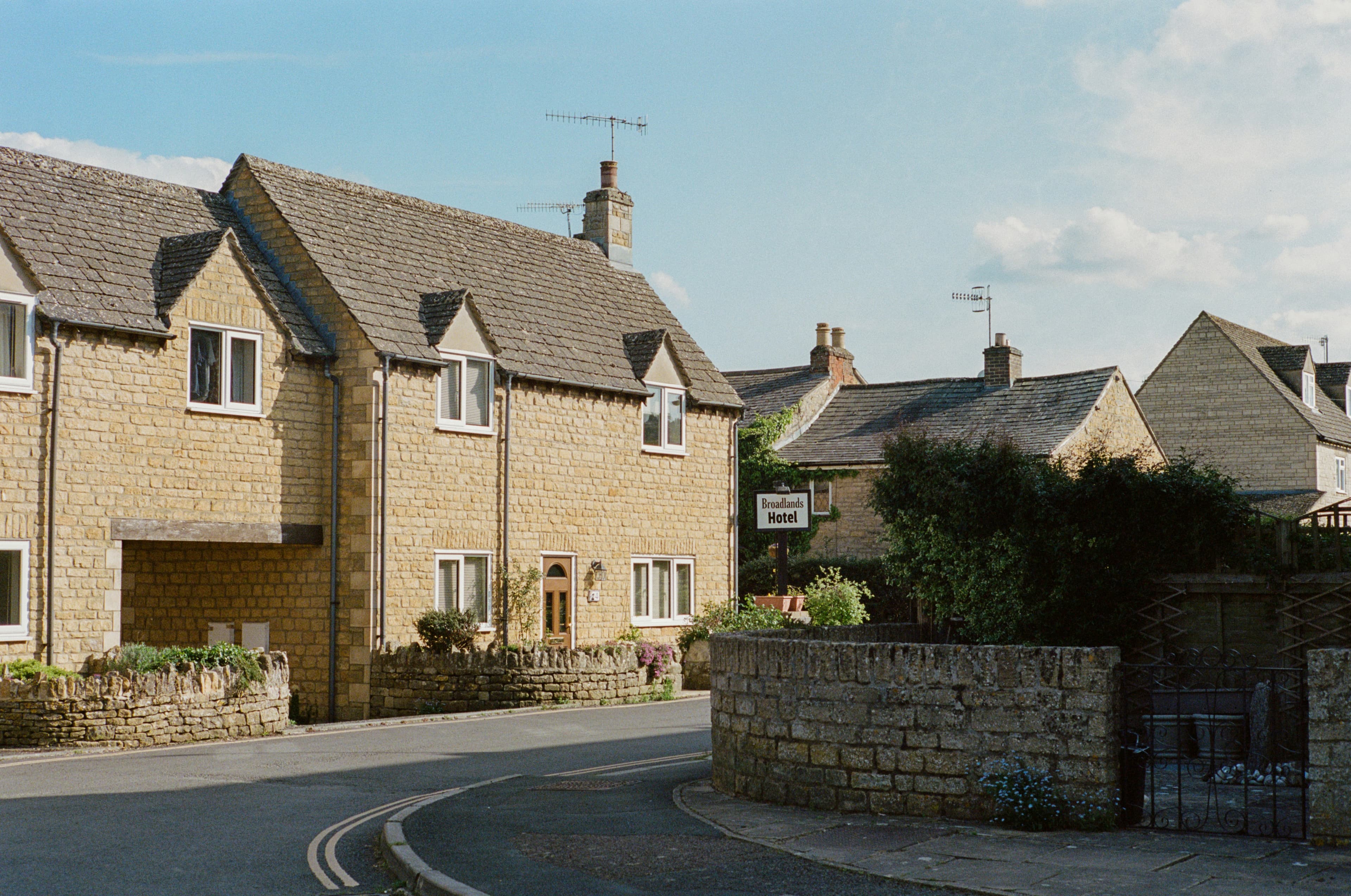
Research by ValuQ: we analysed 576,950 house sales recorded by HM Land Registry in England and Wales between April 2025 and March 2026 and measured how many sold below the £301,000 price an average-income household can now afford.
What is the £301,000 affordability line?
The affordability line is the highest price a typical household can pay with a standard mortgage. Zoopla, in research reported on 15 October 2026, sets it at £301,000: a household earning £53,500 between them, borrowing 4.5 times that income and putting down a 20% deposit.
Zoopla found 51% of two and three bedroom houses for sale in Great Britain now sit under that line, up from 45% a year earlier, because incomes have grown faster than prices. Sales agreed are still 9% lower than last year, because mortgage rates are above 5% after starting the year at around 4%.
How many homes actually sold under £301,000?
Zoopla measured homes for sale; ValuQ checked homes that completed. Half of all houses sold in England and Wales in the year to March 2026, 50.7%, went for less than £301,000, and the median house sold for exactly £300,000. The line sits right in the middle of the market.
ValuQ analysis: share of homes under the £301,000 affordability line, by region
| Region | Zoopla: 2 and 3 bed houses for sale under £301,000 (Oct 2026) | ValuQ: houses sold under £301,000 (Apr 2025 to Mar 2026) | ValuQ: median house sale price |
|---|---|---|---|
| North East | 83% | 82.2% | £179,000 |
| Yorkshire and the Humber | 76% | 73.6% | £220,000 |
| Wales | 72% | 73.2% | £225,000 |
| North West | 71% | 70.2% | £234,000 |
| East Midlands | 74% | 66.8% | £253,000 |
| West Midlands | 64% | 62.9% | £265,000 |
| South West | 47% | 41.9% | £330,000 |
| East of England | 39% | 31.9% | £366,000 |
| South East | 23% | 19.4% | £422,500 |
| London | 0.5% | 1.8% | £640,000 |
| England and Wales (ValuQ) / Great Britain (Zoopla) | 51% | 50.7% | £300,000 |
The two measures agree closely in most regions, which gives the finding weight: listings and completed sales tell the same story. The North East has more than four in five houses under the line. In London fewer than one in fifty sold below it.
Does it depend on the type of house?
ValuQ analysis: houses sold under £301,000 by type, England and Wales, April 2025 to March 2026
| House type | Sales | Share sold under £301,000 | Median sale price |
|---|---|---|---|
| Terraced | 192,217 | 67.5% | £235,000 |
| Semi-detached | 208,648 | 59.8% | £270,000 |
| Detached | 176,085 | 21.7% | £420,000 |
Two in three terraced houses and three in five semis sold under the line. Only about one detached house in five did. If you own a terraced or semi-detached home outside London and the South East, the odds are good that the average-income buyer can reach your price.
What does it look like in a commuter town such as Basildon?
ValuQ analysis: Basildon houses sold under £301,000, April 2025 to March 2026
| Basildon house type | Sales | Share sold under £301,000 | Median sale price |
|---|---|---|---|
| All houses | 1,917 | 15.5% | £386,000 |
| Terraced | 788 | 29.4% | £325,000 |
| Semi-detached | 628 | 7.6% | £415,000 |
| Detached | 501 | 3.4% | £567,625 |
In Basildon fewer than one house in six sold under the line, and fewer than one semi in thirteen. Most Basildon sellers are selling to buyers with above-average incomes or equity from a home of their own. That is typical of the commuter belt around London, where the East of England figure is 31.9%.
Which side of the line is my home on, and why does it matter?
- Under the line: your home is within reach of the widest pool of buyers, including many first-time buyers. In England, first-time buyers also pay no stamp duty on a home up to £300,000.
- Close to the line: a few thousand pounds either side can change how many buyers can afford you. This is where pricing on evidence matters most.
- Above the line: most of your buyers will be movers with equity, so their purchase often depends on selling their own home first. Expect a chain and plan your timing around it.
Half the houses in England and Wales sell below the line. Knowing which half yours is in shapes everything that follows.
The only way to know which side you are on is a valuation built on recent local sales. ValuQ gives UK homeowners free, side-by-side property valuations from competing local estate agents, so you see the honest range for your home before you decide when, or whether, to sell.
How did ValuQ do this?
How we did this: ValuQ analysed HM Land Registry Price Paid Data (download of 28 August 2026). We took standard residential sales (category A) of detached, semi-detached and terraced houses completed between 1 April 2025 and 31 March 2026, grouped them into regions by county, and counted the share that sold below £301,000.
Land Registry records no bedroom count, so our figures cover all houses (no flats), where Zoopla's cover two and three bedroom houses for sale. Our data covers England and Wales; Zoopla's Great Britain figure also includes Scotland. We stopped at March 2026 because later months are still being registered.
How much house can the average UK household afford in 2026?
Zoopla puts it at about £301,000, based on a household income of £53,500, a mortgage of 4.5 times income and a 20% deposit. A buyer with a smaller deposit or a lower income multiple can afford less, and rates above 5% make the monthly payments harder to meet.
What share of homes sell for under £300,000?
ValuQ's analysis of HM Land Registry data found 50.7% of houses sold in England and Wales between April 2025 and March 2026 went for under £301,000. The share ranges from 82.2% in the North East to 1.8% in London.
Does improving affordability mean house prices will rise?
Not on its own. Zoopla expects prices to rise more slowly than incomes, which keeps affordability improving, while higher mortgage rates hold sales back. Nationwide reported a 0.2% fall in September 2026. For a seller, it points to a steady market where realistic pricing wins.
Should I price my house just under £300,000?
Only if the evidence supports it. Pricing just under a threshold can widen the pool of buyers, including first-time buyers in England, who pay no stamp duty up to £300,000. Pricing far below your home's value to hit a round number gives money away, so start from local sold prices.
How do I find out which side of the line my home is on?
Look up recent sold prices for similar homes on your street, then ask several local agents to value it. Free, side-by-side valuations from competing local agents show the realistic range before you commit to anything.
Sources
- [1]HM Land Registry Price Paid Data (download of 28 August 2026), sales April 2025 to March 2026, ValuQ analysis · 2026-08-28 · https://www.gov.uk/government/statistical-data-sets/price-paid-data-downloads
- [2]Property Industry Eye: Housing affordability improves, but higher mortgage rates hit sales (Zoopla, October 2026) · 2026-10-15 · https://propertyindustryeye.com/housing-affordability-improves-but-higher-mortgage-rates-hit-sales/
- [3]Zoopla House Price Index, September 2026 · 2026-10-01 · https://www.zoopla.co.uk/discover/property-news/house-price-index/
- [4]Bloomberg: UK house prices in sharpest drop since May, Nationwide says · 2026-10-01 · https://www.bloomberg.com/news/articles/2026-10-01/uk-house-prices-in-sharpest-drop-since-may-nationwide-says
- [5]GOV.UK: Stamp Duty Land Tax relief for first-time buyers · 2025-04-01 · https://www.gov.uk/stamp-duty-land-tax/residential-property-rates
Terms in this article
Plain-English definitions from the ValuQ property glossary.
HM Land Registry
HM Land Registry is the government body recording ownership of land in England and Wales, whose register is the definitive proof of title.
Stamp duty land tax (SDLT)
Stamp duty land tax is the tax buyers pay on property purchases in England and Northern Ireland, charged in slices at rising rates.
Read next
Related insights
Trading up to a detached got cheaper in the South East. Not the North.
Online estate agent or high street agent: which should I use?
Can I sell my house if I still have a mortgage?
What does my council tax band say my house is worth?
Know what your home is worth today
ValuQ gives UK homeowners free, side-by-side property valuations from competing local estate agents. Anonymous until you choose. No cold calls.
Get your free anonymous valuationSellers and buyers never pay.