What does my council tax band say my house is worth?
Published 16 October 2026 · 6 min read · By Evren Ergin
In England your council tax band is based on what your home was judged to be worth on 1 April 1991, so it only gives a very rough guide today. Scaled by England's house price growth since then, a Band C home works out at roughly £292k to £382k and a Band D home at roughly £382k to £495k, but local prices have moved so differently that the band cannot replace a real valuation.
TL;DR
- •Council tax bands in England were set from estimated values on 1 April 1991; Wales uses 1 April 2003 values.
- •England's average house price rose from £52,178 in April 1991 to £293,479 in July 2026, about 5.6 times, on HM Land Registry's UK House Price Index.
- •On that growth a Band D home is roughly £382k to £495k today, but the same band ranges from about £313k to £405k in Yorkshire to £465k to £601k in London.
- •A home that has been extended may move up a band when it is next sold, which a buyer will want to know.
Advertisement

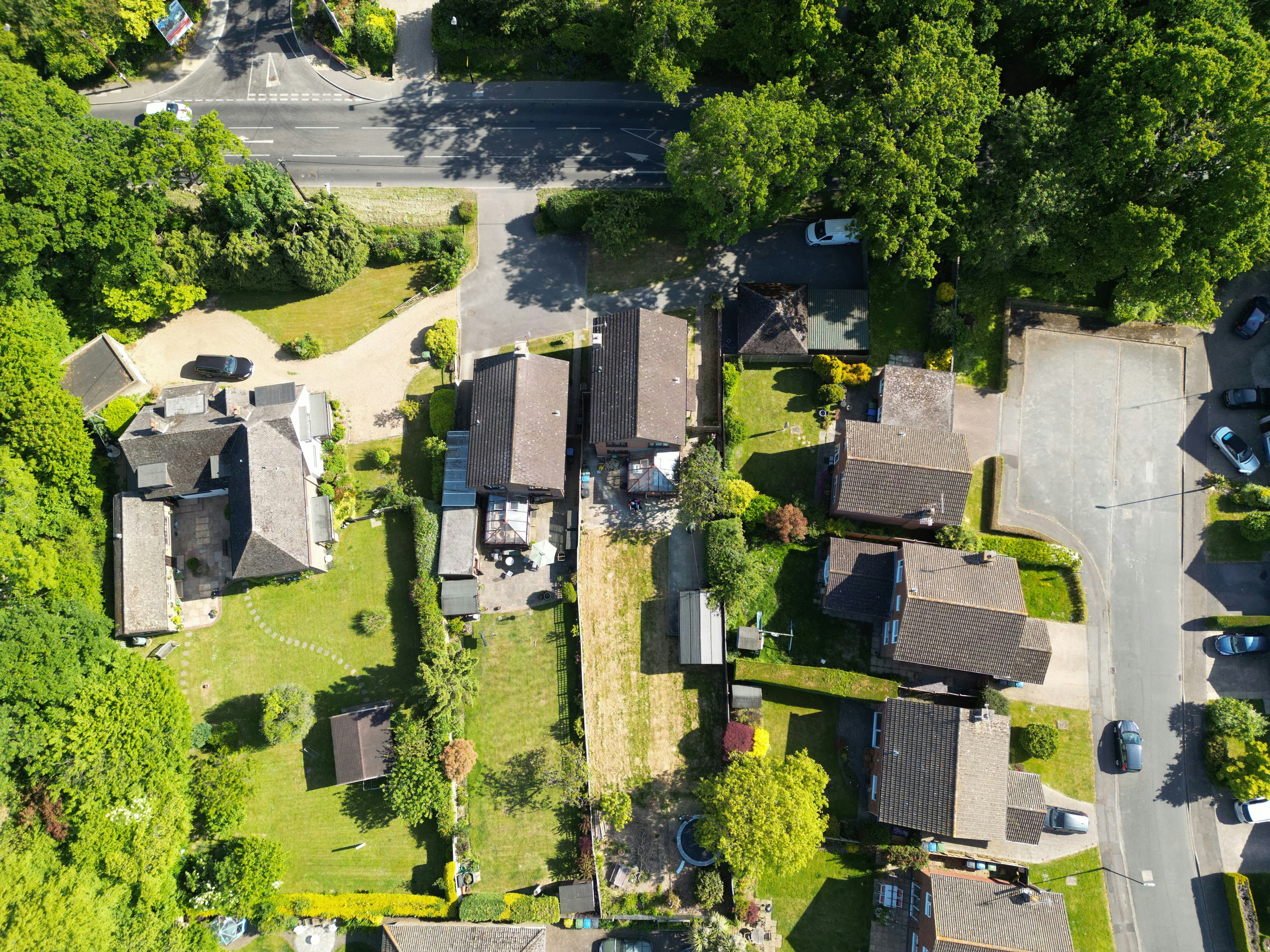
A council tax band is the letter, from A to H in England, that the Valuation Office Agency gives your home to set its council tax. In England it is based on what the home would have sold for on 1 April 1991, or for newer homes what it would have been worth then. In Wales the bands were reset using values on 1 April 2003. Scotland has its own bands, set by local assessors.
What were the band values in 1991?
ValuQ calculation: 1991 band limits scaled by England's UK HPI average, April 1991 (£52,178) to July 2026 (£293,479). *A rough guide only, not a valuation.
| Band | 1 April 1991 value (England) | Rough equivalent today* |
|---|---|---|
| A | up to £40,000 | up to £225k |
| B | £40,001 to £52,000 | £225k to £292k |
| C | £52,001 to £68,000 | £292k to £382k |
| D | £68,001 to £88,000 | £382k to £495k |
| E | £88,001 to £120,000 | £495k to £675k |
| F | £120,001 to £160,000 | £675k to £900k |
| G | £160,001 to £320,000 | £900k to £1.8m |
| H | over £320,000 | over £1.8m |
The table scales each 1991 limit by the rise in England's average house price, which is about 5.6 times. It shows the shape of the bands, not the value of any single home.
Why does the band say so little about my own home?
Prices have grown at very different speeds in different places since 1991. London's average rose about 6.8 times while Yorkshire and the Humber's rose about 4.6 times, so the same band letter points to very different values.
ValuQ calculation from HM Land Registry UK House Price Index, April 1991 and July 2026 regional averages
| Region | Price growth since April 1991 | Band C today, roughly | Band D today, roughly |
|---|---|---|---|
| England | 5.6x | £292k to £382k | £382k to £495k |
| London | 6.8x | £355k to £465k | £465k to £601k |
| South West | 5.6x | £291k to £381k | £381k to £493k |
| East Midlands | 5.3x | £275k to £360k | £360k to £466k |
| Yorkshire and the Humber | 4.6x | £239k to £313k | £313k to £405k |
- The bands are wide. In England, Band G covers anything from £160,001 to £320,000 in 1991 money, so two homes in it can differ in value by double.
- The 1991 judgement was an estimate, often made without an inspection, and some homes were banded wrongly from the start.
- Kitchens, extensions, loft rooms and the condition of the home have changed since 1991, but most bands have not.
- Your street, school catchment and transport links matter more to today's buyers than they did to a 1991 valuer.
Your council tax band is a 35-year-old estimate. Your buyer will pay today's price for today's home.
How common is each band?
Band A is the most common band in England, with 6.1 million homes, or 23.6%, at 31 March 2026. Band C follows with 5.7 million, or 22.0%. Band H is the rarest, with about 0.2 million homes, or 0.6%.
Will selling change my council tax band?
Selling on its own does not change a band. But if your home has grown since it was first banded, for example with an extension, it may move to a higher band when it is next sold. The Valuation Office does not need to be told about the sale, because it receives the details through the buyer's solicitor and the Stamp Duty Land Tax return.
If you have extended, expect a well-advised buyer to ask about it. Being open about likely rebanding early avoids a surprise later in the sale.
So how do I find out what my home is worth today?
- Look up what similar homes on your street have sold for recently, using HM Land Registry sold prices.
- Check how prices for your type of home have moved in your area with a house price tracker.
- Ask more than one local estate agent to value the home in person, so you see a realistic range rather than one number.
ValuQ gives UK homeowners free, side-by-side property valuations from competing local estate agents. It is the clearest way to swap a 1991 band letter for what local buyers would actually pay for your home now.
Council tax bands and house value: your questions
Can I use my council tax band to price my house?
No. The band is a 1991 estimate in a wide range, and local prices have grown at very different rates since. Use it as a curiosity, then use recent sales on your street and valuations from local agents to set a price.
Can I challenge my council tax band before I sell?
Yes. You can challenge your band through the government's online service if you think it is wrong, with evidence such as the bands of similar homes nearby. A challenge can also lead to a higher band, so check the bands of comparable homes on your street first.
Does a higher council tax band put buyers off?
It adds to a buyer's running costs, so it is part of how they compare homes, but location, condition and price matter far more. Agents usually list the band so buyers can factor it in.
Is the band the same as a home's value in Wales?
No. Welsh bands use values from 1 April 2003 and run from A to I. They are more recent than England's but still more than 20 years old, so they are still only a rough guide.
Sources
- [1]GOV.UK: Understand how Council Tax bands are assessed · 2026-06-15 · https://www.gov.uk/guidance/understand-how-council-tax-bands-are-assessed
- [2]HM Land Registry: UK House Price Index, England, April 1991 · Accessed 2026-10-16 · https://landregistry.data.gov.uk/data/ukhpi/region/england/month/1991-04
- [3]HM Land Registry: UK House Price Index, England, July 2026 · 2026-09 · https://landregistry.data.gov.uk/data/ukhpi/region/england/month/2026-07
- [4]Valuation Office Agency: Council Tax stock of properties 2026, statistical commentary · 2026-09-24 · https://www.gov.uk/government/statistics/council-tax-stock-of-properties-2026/council-tax-stock-of-properties-statistical-commentary
- [5]GOV.UK: Check your Council Tax band · Accessed 2026-10-16 · https://www.gov.uk/council-tax-bands
Terms in this article
Plain-English definitions from the ValuQ property glossary.
HM Land Registry
HM Land Registry is the government body recording ownership of land in England and Wales, whose register is the definitive proof of title.
Council tax band
A council tax band is the valuation category, A to H, that sets a home's council tax, based in England on 1991 property values.
Stamp duty land tax (SDLT)
Stamp duty land tax is the tax buyers pay on property purchases in England and Northern Ireland, charged in slices at rising rates.
Read next
Related insights
Trading up to a detached got cheaper in the South East. Not the North.
Online estate agent or high street agent: which should I use?
Can I sell my house if I still have a mortgage?
Should I sell now or wait until spring? 8.5m sales checked
Is your asking price where it should be?
ValuQ gives UK homeowners free, side-by-side property valuations from competing local estate agents. Anonymous until you choose. No cold calls.
Get your free anonymous valuationSellers and buyers never pay.