Buyer wants to exchange and complete same day. Should I agree?
Published 14 September 2026 · 8 min read · By Evren Ergin
A same-day exchange and completion is a normal request, and it can work well, but it moves all of the risk onto moving day. Agree only when the buyer has already committed their money, the paperwork is finished and nothing in your own move depends on a contract that is not yet signed; otherwise ask to exchange a few days earlier on the same completion date.
TL;DR
- •Exchanging and completing on the same day means the sale only becomes legally binding a few hours before the keys change hands, instead of about a week earlier.
- •Until exchange either side can walk away without penalty, so you would be packed and moving out before your buyer is committed to anything.
- •It suits a chain-free sale of an empty home where the buyer's funds and mortgage offer are already in place.
- •The usual middle ground keeps the buyer's moving date and exchanges a few days before it, which gives you certainty at no cost to them.
Advertisement

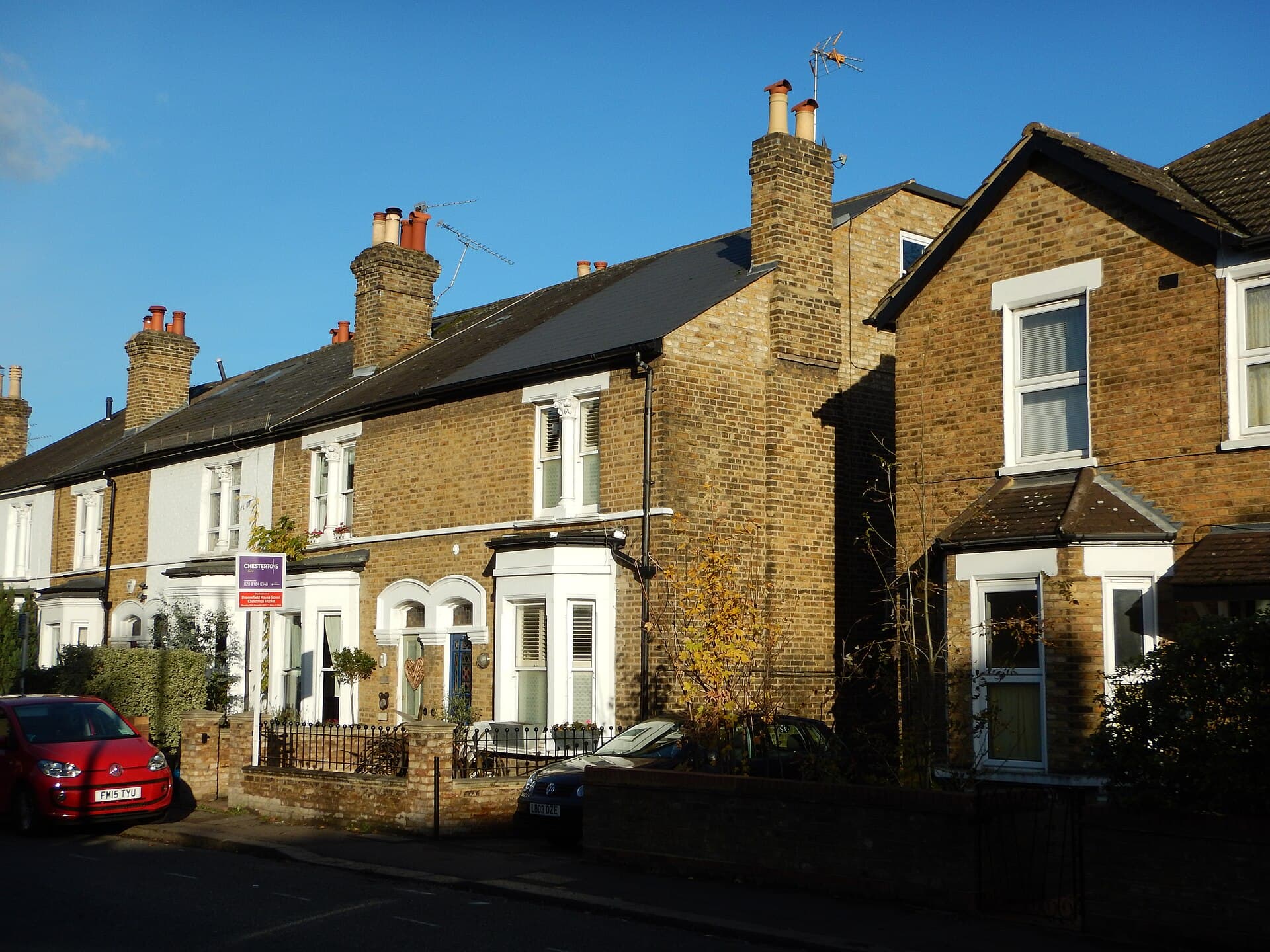
Exchange of contracts is the moment a house sale becomes legally binding in England and Wales. Completion is the day the money moves and the keys change hands. A same-day exchange and completion, sometimes called a simultaneous exchange and completion, squeezes both steps into a single day.
If your buyer has asked for it, nothing is wrong. It is a recognised way to finish a sale, and it is common when a buyer has no chain. The question is whether it is right for your sale, and that comes down to how committed your buyer already is.
Why would a buyer ask to exchange and complete on the same day?
Most buyers who ask have an ordinary reason. They may be cash buyers with no home to sell, their rental may end on a fixed date, or they may want to avoid paying a deposit at exchange and the full balance days later. Some simply want one date to plan around.
The usual pattern is different. The HomeOwners Alliance puts the average gap between exchange and completion at about seven days, and it notes that some mortgage lenders want a minimum period, such as five working days, before they release funds.
What is the risk for me as the seller?
The risk is timing. Before exchange, neither side is bound, so a buyer can reduce their offer or pull out without losing anything. On a same-day exchange you would need to be fully packed and ready to leave before that point arrives.
Once contracts are exchanged the position flips. The HomeOwners Alliance explains that a buyer who withdraws after exchange loses their deposit and can be sued, which is why the gap between exchange and completion protects you.
A normal exchange compared with a same-day exchange and completion, from the seller's side (England and Wales)
| What changes | Exchange first, complete later | Exchange and complete on the same day |
|---|---|---|
| When the sale becomes binding | At exchange, typically about a week before moving day | A few hours before the keys change hands |
| When you book removals and give notice on anything | After exchange, with a fixed date | Before anything is legally agreed |
| If the buyer backs out late | They lose their deposit and can be sued | Before exchange they can walk away owing nothing |
| Time to fix a last-minute problem | Several days | A few hours |
| The buyer's mortgage funds | Requested from the lender in the gap | Must be ready on the day, and some lenders want five working days |
What is normal, and what is a red flag?
Reading a same-day request calmly
| Usually fine | Worth a closer look |
|---|---|
| A cash buyer with no chain and proof of funds checked by your solicitor | The buyer's mortgage offer has not been issued yet |
| The home is empty, or you are moving somewhere already secured | Searches or enquiries are still open but the buyer wants a date fixed |
| Both solicitors say contracts are ready to exchange now | The request arrives late, alongside a push for you to move out first |
| The buyer gives a clear reason, such as a tenancy ending | The buyer is in a chain but still wants a same-day finish |
A request on its own tells you very little. Commitment tells you a lot.
Read your buyer by what they have spent and instructed: a solicitor paid, searches ordered and returned, a survey done, a mortgage offer issued. Warm words are pleasant, but they are not commitment.
How do I decide, step by step?
1. Ask why they want it
Ask your agent to find out the buyer's reason. A rental ending on a known date is a practical reason you can plan around.
2. Check what the buyer has already committed
Ask your solicitor to confirm that the buyer's searches are back, enquiries are answered, the mortgage offer is issued or cash is verified, and their deposit is ready.
3. Ask whether contracts could be exchanged now
If the paperwork is finished, the simplest answer is to exchange now and keep the buyer's chosen completion date, which gives them the day they want and gives you a binding contract.
4. Look at your own onward move
If you are buying, your purchase has to line up on the same day, and a same-day finish across two sales leaves very little room if one transfer runs late.
5. Keep irreversible steps behind exchange
Do not give notice on a rental, release a buyer on your next home or book non-refundable removals until contracts are exchanged or you are comfortable losing that money.
6. Agree the plan in writing
Once you decide, have your solicitor confirm the arrangement in writing to the buyer's solicitor, including what happens if funds arrive late on the day.
Is there a middle ground I can offer?
Yes, and it is usually the strongest answer. Offer to exchange a few days before the buyer's preferred date and complete on that date as planned. The buyer keeps their moving day and you get a binding contract before you empty the house.
If the deposit is the sticking point, it can often be negotiated. The Law Society's Standard Conditions of Sale set a deposit of 10% by default, but the HomeOwners Alliance notes that a smaller deposit is often agreed in practice, and your solicitor can advise what is sensible.
Will a same-day exchange make my sale any faster?
Not really. It changes the final day, not the weeks before it. Rightmove reported on 31 July 2026 that the average move now takes 216 days from listing to completion, with 154 of those days coming after the sale is agreed.
Research Rightmove published on 9 September 2026 found that conveyancing was the most common cause of delay, named by 37% of respondents, ahead of survey or valuation issues at 15% and searches at 11%. A same-day finish does nothing about any of those.
How do I keep control of the sale?
Move in step with your buyer, not ahead of them. TwentyEA put the UK fall-through rate at 23.7% in the first quarter of 2026, roughly one agreed sale in four, and a sale can still collapse on the morning of exchange.
The date is the buyer's preference. The timing of your commitment is yours. Exchange first and you can agree to almost any moving day with confidence.
ValuQ gives UK homeowners free, side-by-side property valuations from competing local estate agents. Selling starts with your decision, and the timeline stays yours right up to the last signature.
Common questions about exchanging and completing on the same day
Is it legal to exchange and complete on the same day?
Yes. In England and Wales exchange and completion can happen on the same day, and many chain-free sales finish that way. In Scotland the process is different, because the sale becomes binding when missives are concluded, which usually happens well before the entry date.
What happens if the buyer's money does not arrive on the day?
If contracts have been exchanged, the buyer is bound and a late payment is their problem to fix, and most contracts provide for compensation if completion runs late. If contracts have not been exchanged, nothing is binding, which is exactly why exchanging first is safer for a seller.
Should I agree to a same-day finish if I am in a chain?
Be cautious. Every sale and purchase in the chain would need to exchange and complete within hours of each other, and one delayed transfer can hold up everyone. Most chains exchange together first and complete on a later agreed date.
Can I say no without losing my buyer?
Usually, yes. Offering to exchange a few days earlier on the same completion date gives a reasonable buyer everything they asked for, and a buyer who refuses that offer has told you something useful about their position.
A same-day finish is a tool, not a warning sign. Used on a chain-free sale with a committed buyer it is tidy and efficient. Used anywhere else, the calm move is to exchange first and keep the moving day exactly where the buyer wants it.
Sources
- [1]HomeOwners Alliance, Exchange of contracts explained · Accessed 14 September 2026 · https://hoa.org.uk/advice/guides-for-homeowners/i-am-buying/how-do-i-exchange-contracts/
- [2]The Law Society, Standard Conditions of Sale (5th edition, 2018 revision) · 2018 · https://www.lawsociety.org.uk/en/topics/property/standard-conditions-of-sale
- [3]Property Industry Eye, Estate agents face longest wait on record to get paid (Rightmove data) · 2026-07-31 · https://propertyindustryeye.com/estate-agents-face-longest-wait-on-record-to-get-paid/
- [4]Property Industry Eye, Estate agents not to blame for biggest property sale delays (Rightmove research) · 2026-09-09 · https://propertyindustryeye.com/estate-agents-not-to-blame-for-biggest-property-sale-delays-rightmove/
- [5]PropertyWire, Property fall-throughs decline to 23.7% in early 2026 (TwentyEA data) · 2026-04-16 · https://www.propertywire.com/news/property-fall-throughs-decline-to-23-7-in-early-2026/
- [6]GOV.UK, Buying or selling your home · 2025-09-01 · https://www.gov.uk/buy-sell-your-home
Terms in this article
Plain-English definitions from the ValuQ property glossary.
Simultaneous exchange and completion
Simultaneous exchange and completion is exchanging contracts and completing on the same day, with no binding gap in between.
Standard conditions of sale
The standard conditions of sale are the industry-standard terms incorporated into most residential contracts, governing deposits, timings and remedies.
Exchange of contracts
Exchange of contracts is the moment a sale becomes legally binding, when the two signed contracts are formally swapped and the deposit is paid.
Completion date
The completion date is the contractual day the sale must complete, fixed at exchange and binding on both sides.
Proof of funds
Proof of funds is documentary evidence that a buyer can actually pay: bank statements, a mortgage agreement in principle, or confirmation of sale proceeds.
Mortgage offer
A mortgage offer is the lender's formal, binding commitment to lend, issued after full underwriting and valuation.
Fall-through
A fall-through is an agreed sale collapsing before exchange of contracts, with neither side owing the other anything.
Cash buyer
A cash buyer can pay the full price without a mortgage.
Read next
Related insights
My estate agent asked for my lowest price. Should I tell them?
What is a completion statement when selling a house?
Detached homes sell at a loss 60% more often than semis
What's the best day and time to hold house viewings?
See every local agent on one screen.
Free for homeowners. Always. No cold calls. No data sales. No starting-line advantage for the fastest dialler in town.
Get your free anonymous valuationSellers and buyers never pay.