What is gazumping and how can I avoid it?
Published 17 July 2026 · 5 min read · By Evren Ergin
Gazumping is when a seller accepts a higher offer from a different buyer after already agreeing to sell to you, at any point before contracts are exchanged. It is legal in England and Wales because nothing about a house sale is binding until exchange, so the best defence is to reach exchange as quickly as you can.
TL;DR
- •Gazumping is legal in England and Wales: a sale is not binding until contracts are exchanged, so a seller can accept a higher offer right up to that moment.
- •Speed is the single biggest protection, because buyers who exchange within about six weeks of an accepted offer face very little gazumping risk.
- •A mortgage agreed in principle, a solicitor instructed the same day your offer is accepted, and a survey booked early all shrink the window where gazumping can happen.
- •A lock-out agreement can buy you a fixed period where the seller agrees not to entertain other offers, though it costs a fee and does not guarantee the sale.
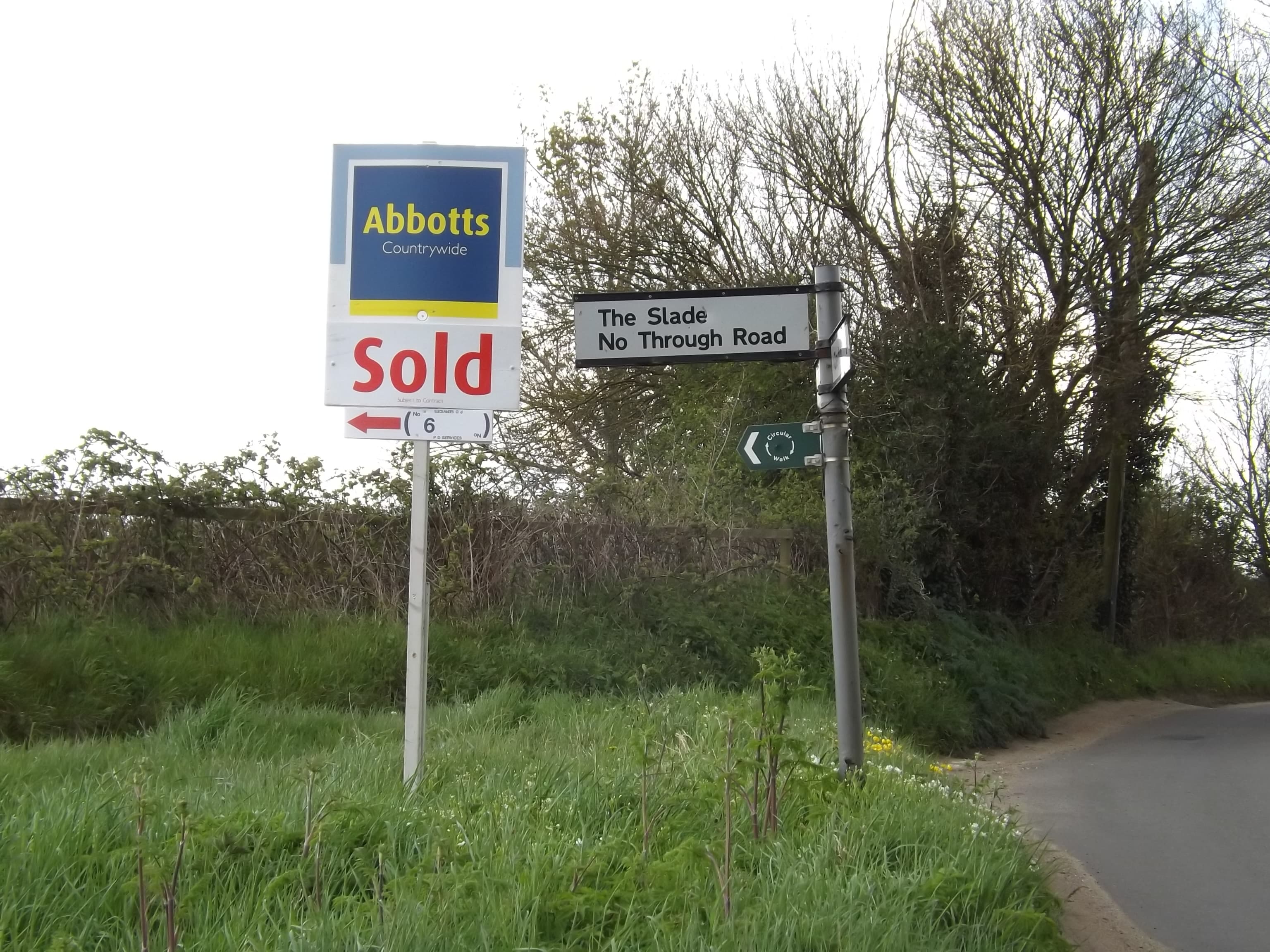
Being gazumped is one of the most deflating moments in buying a home. You have had your offer accepted, told your family, maybe paid for a survey, and then the call comes that the seller has taken a higher offer from someone else. It feels unfair, and it is worth understanding why it is allowed and what genuinely reduces the risk.
What does gazumping actually mean?
Gazumping is when a seller who has verbally agreed to sell to you accepts a better offer from another buyer before contracts are exchanged. Until exchange, an agreed sale in England and Wales is a promise, not a contract, so the seller is free to change their mind. Gazumping is not the same as gazundering, which is when a buyer lowers their offer at the last minute.
Is gazumping legal in the UK?
In England and Wales gazumping is legal, because a property sale only becomes legally binding when contracts are exchanged (gov.uk, Buying and selling a home). Everything before exchange, including the accepted offer and the sold subject to contract stage, can be walked away from by either side without penalty. Scotland works differently: offers there are made through formal letters called missives and become binding much earlier, so gazumping is far rarer north of the border.
How likely am I to be gazumped right now?
Outright gazumping is only one way a deal can collapse, and the wider fall-through numbers show why the early weeks matter. In the first quarter of 2026, 23.7% of agreed UK sales fell through, down slightly from 24% (PropertyWire, May 2026). The risk is front-loaded, so the faster you move, the safer you are.
When agreed UK sales are most likely to collapse (Q1 2026, PropertyWire, May 2026)
| Timing after the offer is agreed | Share of all fall-throughs |
|---|---|
| First four weeks | About 38% |
| Weeks one and two alone | Nearly 16% |
| Leading cause across the quarter: survey issues | 37.5% |
| Buyers simply changing their mind | Around one third |
How do I avoid being gazumped?
You cannot make an agreed sale legally binding before exchange, but you can close the gap where gazumping happens. The aim is to be the buyer who is ready, quick, and easy to deal with, so the seller has no reason to look elsewhere.
- Get a mortgage agreed in principle before you offer, so the seller can see you are ready to proceed.
- Instruct your solicitor the same day your offer is accepted, rather than waiting a week or two.
- Book your survey early instead of leaving it until searches are back.
- Ask the agent to mark the listing as sold subject to contract and, if the seller agrees, to stop new viewings.
- Reply to every request from your solicitor and the agent quickly, because delays are what let another buyer catch up.
- For a property you really want, ask about a lock-out agreement, and consider home buyer protection insurance to cover wasted costs.
- Stay friendly with the seller where you can, since a seller who feels a connection is less likely to drop you for a small extra sum.
What is a lock-out agreement and does it work?
A lock-out agreement, also called an exclusivity agreement, is a short contract in which the seller agrees not to negotiate with any other buyer for a fixed period, usually 28 to 56 days. Unlike the sale itself, it is binding from the moment it is signed. You normally pay a fee for it, and if the seller breaks it you can claim your wasted costs back, though it still does not force them to sell you the home. It buys time and commitment, not certainty.
Common questions about gazumping
Can I get my money back if I am gazumped?
Usually not from the seller, unless you had a lock-out agreement in place. Money spent on surveys, searches and legal work is generally not recoverable, which is why some buyers take out home buyer protection insurance to cover those costs if a deal collapses through no fault of their own.
Is gazumping the same as gazundering?
No. Gazumping is a seller accepting a higher offer before exchange. Gazundering is a buyer lowering their offer at a late stage, often just before exchange, hoping the seller is too committed to refuse.
Does gazumping happen in Scotland?
It is rare in Scotland. The Scottish system uses formal offers called missives that become binding much earlier than exchange does in England and Wales, so there is far less room for a seller to switch buyers.
Can an estate agent refuse to pass on a higher offer?
No. Until contracts are exchanged an agent is legally required to pass on every offer they receive to the seller, so a rival bid will reach the seller even if you wish it would not.
The calm way to think about it
Gazumping feels personal, but it is really a timing problem. The longer a sale sits between agreement and exchange, the more chance something, or someone, disturbs it. Being organised is not glamorous, yet it is what keeps a sale yours. The decision to sell, and to whom, always belongs to the seller until exchange, which is exactly why moving quickly is the buyer's strongest card.
ValuQ gives UK homeowners free, side-by-side property valuations from competing local estate agents, so a seller can choose the right agent on merit before a home ever goes on the market and the process begins on a steady footing.
Sources
- [1]gov.uk, Buying and selling a home · 2025-04-01 · https://www.gov.uk/buy-sell-your-home
- [2]PropertyWire, Property fall-throughs decline to 23.7% in early 2026 · 2026-05-06 · https://www.propertywire.com/news/property-fall-throughs-decline-to-23-7-in-early-2026/
- [3]HomeOwners Alliance, How Long Does Conveyancing Take? The Timeline in 2026 · 2026-01-06 · https://hoa.org.uk/advice/guides-for-homeowners/i-am-buying/how-long-does-conveyancing-take/
Read next
Related insights
Asking prices fell 1% in July. Is my house worth less?
A buyer offered under asking. Should I accept or hold out?
Can I ask my estate agent to redo my listing photos?
Family homes lost value in 53 areas last year. None were northern.
See every local agent on one screen.
Free for homeowners. Always. No cold calls. No data sales. No starting-line advantage for the fastest dialler in town.
Get your free anonymous valuationSellers and buyers never pay.