Thinking of downsizing? Where to start and what it costs
Published 7 October 2026 · 6 min read · By Evren Ergin
Start downsizing by finding out what your current home would realistically sell for, because that one figure decides your budget and how much money you free up. In England, selling at £450,000 and buying at £300,000 leaves about £138,520 after a typical agent fee and stamp duty, before legal and removal costs.
TL;DR
- •Downsizing starts with an honest valuation of your current home, because every other number depends on it.
- •Costs eat into the price gap: a £150,000 gap leaves about £138,520 after a typical agent fee and £5,000 of stamp duty.
- •The inheritance tax residence nil rate band can still apply after downsizing, through the downsizing addition on GOV.UK.
- •Private residence relief usually means no capital gains tax on selling your main home.
Advertisement

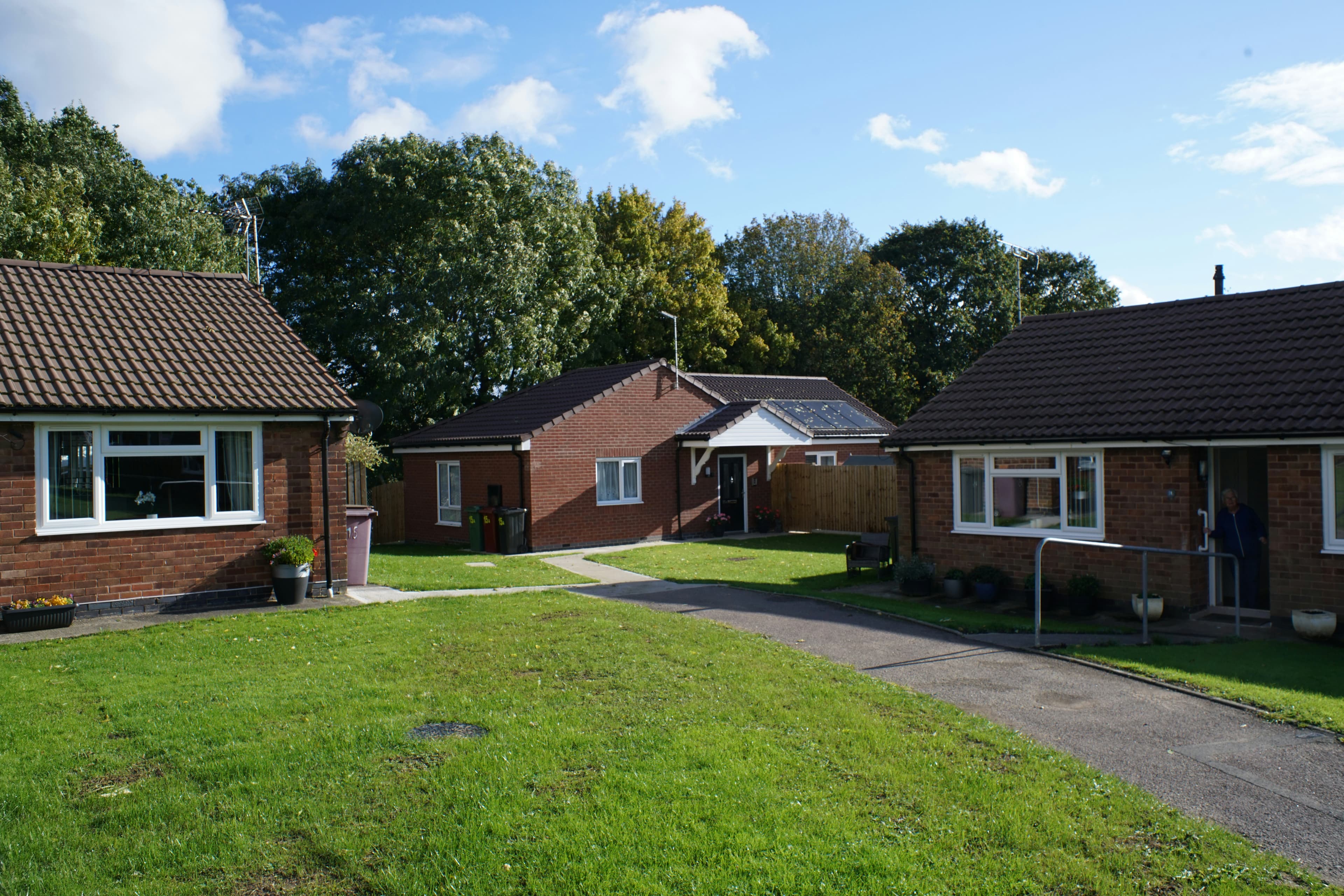
Downsizing means selling your home and buying a smaller or cheaper one, usually to free up money, cut running costs or move somewhere easier to manage. It is one of the biggest financial decisions most people make after retirement planning, and it goes best when the selling side is planned first.
Where do I start if I am thinking of downsizing?
Start with a number: what your current home would realistically sell for today. Every other decision, from the size of the next home to how much money is freed up, flows from that figure.
1. Find out what your home is worth now
Get valuations from more than one local estate agent so you see the realistic range, not a single optimistic figure. Check them against recent sold prices for similar homes on HM Land Registry.
2. Work out what you would keep
Take the likely sale price, subtract any mortgage, the estate agent fee, legal costs and removals, and you have the budget for the next home plus whatever is left over.
3. Price the next home, including stamp duty
Look at what the size and type of home you want costs in the area you want, then add stamp duty on top. A cheaper purchase means a smaller tax bill, which is part of the saving.
4. Decide on the order: sell first or buy first
Selling first gives you a firm budget and a stronger position as a buyer. Buying first gives certainty about where you are going but risks two sets of bills and a weaker negotiating hand.
5. Clear and prepare early
Decluttering a family home takes months, not weeks. Starting before the agent visits makes the home show better and makes the move itself far less stressful.
6. Talk to the people it affects
Family, a financial adviser and a solicitor are worth speaking to before you list, especially if the move changes what you plan to leave to children or grandchildren.
How much money will downsizing free up?
Less than the gap between the two prices, because selling and buying both cost money. Here is a worked example for a home sold for £450,000 and a smaller home bought for £300,000 in England.
Worked example: downsizing in England (illustrative)
| Item | Amount | Basis |
|---|---|---|
| Sale price of current home | £450,000 | Example |
| Price of the smaller home | £300,000 | Example |
| Gap between the two prices | £150,000 | Sale minus purchase |
| Estate agent fee | -£6,480 | 1.2% plus VAT, a typical sole-agency fee |
| Stamp duty on the purchase | -£5,000 | GOV.UK standard residential rates |
| Left before legal, survey and removal costs | £138,520 | Gap minus fee and stamp duty |
Legal fees, a survey on the new home and removals come on top, so get quotes for each. If there is a mortgage on the current home, it is repaid from the sale before any of this.
How much stamp duty will I pay on a smaller home?
Stamp duty land tax is the tax paid by the buyer when purchasing a home in England or Northern Ireland. Scotland and Wales have their own taxes and rates, so check those separately.
Stamp duty on the purchase (England and NI, standard rates, one home, not a first-time buyer)
| Purchase price | Stamp duty |
|---|---|
| £200,000 | £1,500 |
| £250,000 | £2,500 |
| £300,000 | £5,000 |
| £400,000 | £10,000 |
| £500,000 | £15,000 |
The rates are 0% up to £125,000, 2% from £125,001 to £250,000, 5% from £250,001 to £925,000, 10% to £1.5 million and 12% above. The Conservatives pledged on 6 October 2026 to abolish stamp duty, but that is an opposition proposal, not law, so plan on today's rates.
Will downsizing affect inheritance tax?
The residence nil rate band is an extra inheritance tax allowance when a home passes to direct descendants such as children or grandchildren. Selling a larger home does not have to mean losing it.
GOV.UK explains that a downsizing addition can still apply if you sold, gave away or moved to a less valuable home on or after 8 July 2015, and your direct descendants inherit at least some of your estate. The rules have conditions, so take advice from a solicitor or tax adviser for your own situation.
Do I pay tax on the money I release?
Usually not. Private residence relief normally means no capital gains tax is due when you sell the home you have lived in as your main home throughout your ownership. Exceptions include a home that was let out, used for business, or sits in very large grounds.
What should I watch out for when downsizing?
- Choosing an agent on the highest valuation: an inflated figure can leave the home unsold for months while your next purchase slips away.
- Underestimating the clear-out: a home lived in for decades holds more than most people expect.
- Leasehold costs on the next home: many retirement flats and apartments carry service charges and ground rent that eat into the saving.
- Moving too far from support: being near family, a GP and shops often matters more than the extra money released.
- Flats as the next home: Lloyds reported on 7 October 2026 that flat prices have fallen for 15 months in a row, so check resale prospects.
The money downsizing frees up is decided by one figure above all: the price your current home really sells for.
How do I get an honest valuation before I decide?
Ask more than one local agent, and ask each one to show the sold evidence behind their figure. ValuQ gives UK homeowners free, side-by-side property valuations from competing local estate agents, and your details stay private until you choose to connect, so you can plan the move on real numbers at your own pace.
Common questions about downsizing
What age do most people downsize?
There is no set age. Many people downsize once children leave home or around retirement, but the right time is when the home no longer suits your life and the numbers work. Planning a year ahead gives you time to clear, prepare and sell without pressure.
Should I sell or buy first when downsizing?
Selling first usually gives a stronger position: you know your budget and can move quickly as a buyer. If you find the right home first, you can still offer, but expect sellers to prefer buyers who have already sold or are under offer.
Is downsizing worth it financially?
It depends on the gap between the two prices after costs. In the worked example above, a £150,000 price gap leaves about £138,520 after the agent fee and stamp duty, before legal and removal costs. Lower running costs, such as council tax and energy, add to the saving over time.
Sources
- [1]GOV.UK: Stamp Duty Land Tax residential property rates · 2025-04-01 · https://www.gov.uk/stamp-duty-land-tax/residential-property-rates
- [2]GOV.UK: How downsizing, selling or gifting a home affects the additional Inheritance Tax threshold · 2017-08-11 · https://www.gov.uk/guidance/how-downsizing-selling-or-gifting-a-home-affects-the-additional-inheritance-tax-threshold
- [3]GOV.UK: Tax when you sell your home (Private Residence Relief) · 2015-06-12 · https://www.gov.uk/tax-sell-home
- [4]Property Industry Eye: Tories pledge to scrap stamp duty and slash £50,000 from new-build costs · 2026-10-06 · https://propertyindustryeye.com/tories-pledge-to-scrap-stamp-duty-and-slash-50000-from-new-build-costs/
- [5]Property Industry Eye: September house prices, Lloyds House Price Index · 2026-10-07 · https://propertyindustryeye.com/september-house-prices-what-does-the-latest-lloyds-house-price-index-reveal/
- [6]ValuQ: Estate agent fees guide (fee bands reviewed 12 September 2026) · 2026-09-12 · https://valuq.co.uk/guides/estate-agent-fees
Terms in this article
Plain-English definitions from the ValuQ property glossary.
Private residence relief
Private residence relief is the exemption that makes the sale of your own main home free of capital gains tax for the time you lived in it.
First-time buyer
A first-time buyer is someone who has never owned a property, here or abroad.
HM Land Registry
HM Land Registry is the government body recording ownership of land in England and Wales, whose register is the definitive proof of title.
Removal costs
Removal costs are what you pay a firm to move your belongings, scaling with distance, volume and packing services.
Under offer
Under offer means the seller has accepted an offer but the sale is not yet legally binding.
Ground rent
Ground rent is the annual payment a leaseholder makes to the freeholder simply for occupying the land, distinct from service charges.
Stamp duty land tax (SDLT)
Stamp duty land tax is the tax buyers pay on property purchases in England and Northern Ireland, charged in slices at rising rates.
Read next
Related insights
House prices flat in September: what it means if you want to sell
Which estate agents should I invite to value my house?
Mortgage rates just hit 6%. Should I still sell this autumn?
What should I do before an estate agent values my house?
What is your home worth today?
ValuQ gives UK homeowners free, side-by-side property valuations from competing local estate agents. Anonymous until you choose. No cold calls.
Get your free anonymous valuationSellers and buyers never pay.