Mortgage rates just hit 6%. Should I still sell this autumn?
Published 6 October 2026 · 6 min read · By Evren Ergin
Yes, if you have a real reason to move, because a 6% mortgage market does not stop homes selling; it changes what buyers can pay and how carefully you need to price. On 5 October 2026 Moneyfacts put the average five-year fix at 6.00%, and on our working the same monthly budget now borrows about 10% less than it did in February, so the sellers who do well this autumn are the ones who price to today's buyer rather than last spring's.
TL;DR
- •Moneyfacts says the average five-year fix reached 6.00% and the two-year fix 5.98% on 5 October 2026, the highest since late 2023.
- •Fixed deals priced under 5% fell from 1,494 on 1 September to just nine, so almost every buyer is now borrowing at around 6%.
- •On ValuQ's working, a buyer who can afford £1,500 a month over 25 years could borrow about £258,000 at February's 4.94% but about £233,000 at 6%.
- •Waiting for rates to fall is a guess, so decide on your own timeline and get several local agents' view of today's price before you list.
Advertisement

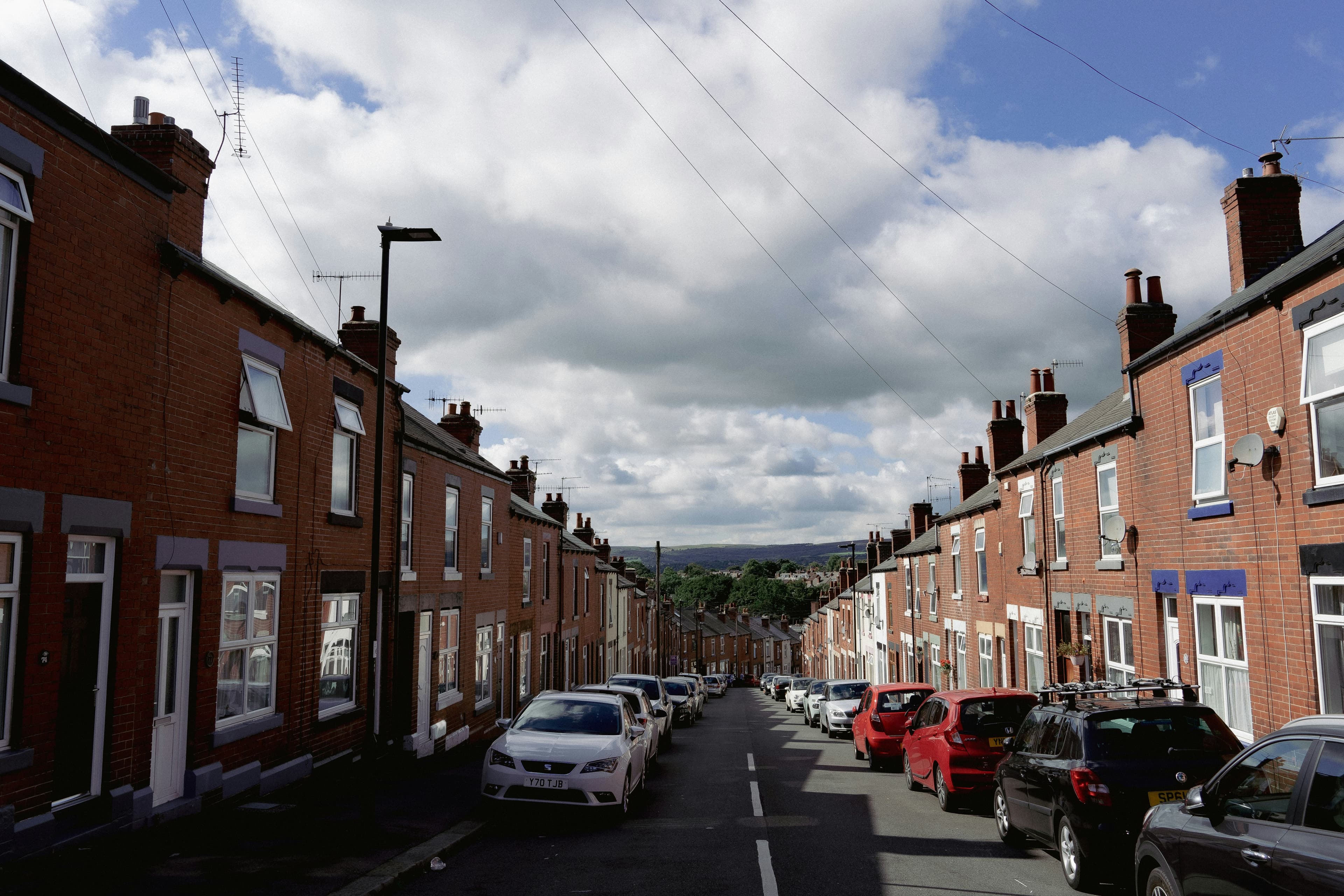
If you were planning to put your home on the market this autumn, the mortgage headlines of the past week will have given you pause. They should prompt a rethink of your price, not necessarily of your plan.
What has happened to mortgage rates?
A fixed-rate mortgage is a loan whose interest rate stays the same for a set period, usually two or five years. On 5 October 2026 Moneyfacts reported that the average five-year fix had reached 6.00%, the highest since late September 2023, and the average two-year fix 5.98%, the highest since mid-December 2023.
The cheaper end of the market has almost gone. Moneyfacts counted 1,494 fixed deals priced below 5% on 1 September and just nine on 5 October. Lenders blamed rising gilt yields and volatile swap rates, which are the wholesale costs they pay to fund fixed loans.
Average fixed mortgage rates, Moneyfacts
| Measure | February 2026 | 5 October 2026 |
|---|---|---|
| Average two-year fix | 4.85% | 5.98% |
| Average five-year fix | 4.94% | 6.00% |
| Fixed deals priced under 5% | 1,494 (1 September) | 9 |
How much less can a buyer borrow at 6%?
Borrowing power is the loan a buyer can repay from the monthly sum they can afford. We worked it through on a standard repayment mortgage over 25 years, using February's average five-year rate of 4.94% and today's 6.00%.
ValuQ working: what the same monthly payment borrows, 25-year repayment mortgage
| Monthly budget | Borrows at 4.94% | Borrows at 6.00% | Difference |
|---|---|---|---|
| £1,000 | £172,100 | £155,200 | £16,900 less |
| £1,500 | £258,100 | £232,800 | £25,300 less |
| £2,000 | £344,200 | £310,400 | £33,800 less |
The same arithmetic works the other way. A £250,000 loan costs about £1,453 a month at 4.94% and about £1,611 at 6.00%, which matches Moneyfacts' own figure of £158 a month extra. That is the squeeze your future buyer is feeling.
This does not mean prices fall by 10%. Many buyers have bigger deposits, some are cash buyers, and some will stretch. It means the buyer pool at any given price is thinner than it was in the spring, and an optimistic price is easier to miss.
Are homes still selling?
Yes. Rightmove's September report, published on 21 September 2026, found that 61% of homes listed found a buyer, taking an average of 64 days, with asking prices up 0.7% to £367,440. The same report found the most homes for sale in 12 years, so buyers have choice.
Nationwide's index, published on 1 October 2026, put annual price growth at 0.8% in September, down from 1.6% in August, with prices down 0.2% in the month. The Bank of England counted 54,900 mortgage approvals for house purchase in August, the fewest since December 2023.
A 6% market still sells homes. It just stops forgiving a price set on last spring's evidence.
Should I wait until mortgage rates come down?
Only if your move can genuinely wait and you are comfortable that nobody knows when rates will fall. Rates moved down through much of 2025 and up again this year; a forecast is not a plan.
Waiting also has a cost if you are buying as well as selling. The home you want is priced in the same market as yours, so a softer market often helps you on the purchase about as much as it costs you on the sale. Most movers feel the difference only on the extra borrowing, not the whole price.
Who should still list this autumn, and who might wait?
A practical guide to timing in a 6% market
| Your situation | Leaning | Why |
|---|---|---|
| You need to move for work, family or money | List, priced to today | Your timeline matters more than a guess about rates |
| You are trading up and buying in the same market | List, priced to today | A softer market usually helps you on the purchase too |
| Your own fixed rate ends soon and you plan to move anyway | Speak to a broker first, then decide | Porting or a new deal changes your own sums |
| You are curious and have no deadline | Get valuations, then decide | Knowing today's price costs nothing and settles the question |
What should I do before I decide?
Will a 6% mortgage rate lower the value of my house?
Not automatically. Value is set by what buyers in your area are paying now, and the clearest guide is recent sold prices for homes like yours. Higher rates reduce how much some buyers can borrow, so the evidence from the next few months may come in softer than the spring's. A local agent who knows this month's sales will see that sooner than any index.
Is it better to sell in autumn or wait until spring?
Spring usually brings more buyers and more competing homes at the same time. Autumn buyers tend to be motivated because they want to move before the new year or early in it. Rightmove's September figures show 64 days on average to find a buyer, so a home listed in October that is priced well can be under offer before Christmas.
Do buyers with a mortgage offer keep their old rate?
Generally, yes. A buyer whose lender has already issued a formal mortgage offer normally keeps that rate while the offer is valid, often six months. Buyers still searching will borrow at today's rates, which is why pricing matters more for homes coming to market now.
How do I know what price works in this market?
Ask more than one local agent, compare their figures and their evidence side by side, and be wary of the single highest number with no sold prices behind it. If the agents broadly agree, you have your answer. If one is far higher, ask what recent sale justifies it.
How do I find out what my home is worth today?
ValuQ gives UK homeowners free, side-by-side property valuations from competing local estate agents. You stay anonymous until you choose an agent, and it is free, always.
In a market where the monthly sums have changed this quickly, seeing several local agents' honest view of today's price, side by side, is the calmest way to decide whether this autumn is your moment or whether waiting makes sense. The decision, and the timing, stay with you.
Sources
- [1]Mortgage Solutions: Just nine sub-5% mortgages left as fixed rates hit three-year high (Moneyfacts) · 2026-10-05 · https://www.mortgagesolutions.co.uk/mortgage-news/2026/10/05/just-nine-sub-5-mortgages-left-as-fixed-rates-hit-three-year-high-moneyfacts/
- [2]The Intermediary: Sub-5% fixed mortgage deals plummet as 5-year average hits 6% (Moneyfacts) · 2026-10-05 · https://theintermediary.co.uk/2026/10/sub-5-fixed-mortgage-deals-plummet-as-5-year-average-hits-6-moneyfacts/
- [3]Property Industry Eye: Mortgage shock as 99% of cheaper fixed deals vanish · 2026-10-06 · https://propertyindustryeye.com/mortgage-shock-as-99-of-cheaper-fixed-deals-vanish/
- [4]The Intermediary: Asking prices up 0.7% in September (Rightmove House Price Index) · 2026-09-21 · https://theintermediary.co.uk/2026/09/asking-prices-up-0-7-in-september-rightmove/
- [5]Nationwide House Price Index (September 2026) · 2026-10-01 · https://www.nationwide.co.uk/media/hpi
- [6]Bank of England, Money and Credit August 2026 · 2026-09-29 · https://www.bankofengland.co.uk/statistics/money-and-credit/2026/august-2026
- [7]MoneyHelper: How long do mortgage offers last? · 2026-01-01 · https://www.moneyhelper.org.uk/en/blog/buy-or-rent-a-home/how-long-do-mortgage-offers-last
Terms in this article
Plain-English definitions from the ValuQ property glossary.
Fixed-rate mortgage
A fixed-rate mortgage locks your interest rate and monthly payment for a set period, commonly two or five years.
Repayment mortgage
A repayment mortgage pays interest and a slice of the loan every month, clearing the whole debt by the end of the term.
Mortgage offer
A mortgage offer is the lender's formal, binding commitment to lend, issued after full underwriting and valuation.
Additional property surcharge
The additional property surcharge adds 5 percentage points to every stamp duty band when the purchase leaves you owning more than one dwelling.
Under offer
Under offer means the seller has accepted an offer but the sale is not yet legally binding.
Porting
Porting is taking your existing mortgage deal with you to a new property when you move, avoiding early repayment charges.
Read next
Related insights
What should I do before an estate agent values my house?
How far ahead should I get my house valued before selling?
How is a house valued for inheritance tax?
I'll have to sell for less than I paid. What are my options?
What is your home worth today?
ValuQ gives UK homeowners free, side-by-side property valuations from competing local estate agents. Anonymous until you choose. No cold calls.
Get your free anonymous valuationSellers and buyers never pay.