My buyer pulled out after the survey. Can I see the report?
Published 15 September 2026 · 8 min read · By Evren Ergin
Losing a buyer after the survey is one of the most common ways a UK sale ends, and it is a setback you can recover from. You have no legal right to see the buyer's survey, but you can ask for it through your agent, and what it found is worth more to your next sale than the weeks you lost.
TL;DR
- •The survey belongs to the buyer who paid for it, and RICS guidance says a seller has no right to see it unless the buyer chooses to share it.
- •You can still ask the buyer, through your agent, for a copy or for a written list of the issues that made them pull out.
- •About 23.7% of agreed UK sales fail to complete, according to TwentyCi figures cited on 15 September 2026, so this is a familiar problem with a known way forward.
- •Whether or not you get the report, find out what the issue really is, get it priced, then decide whether to fix it, reduce the price or disclose it.
Advertisement

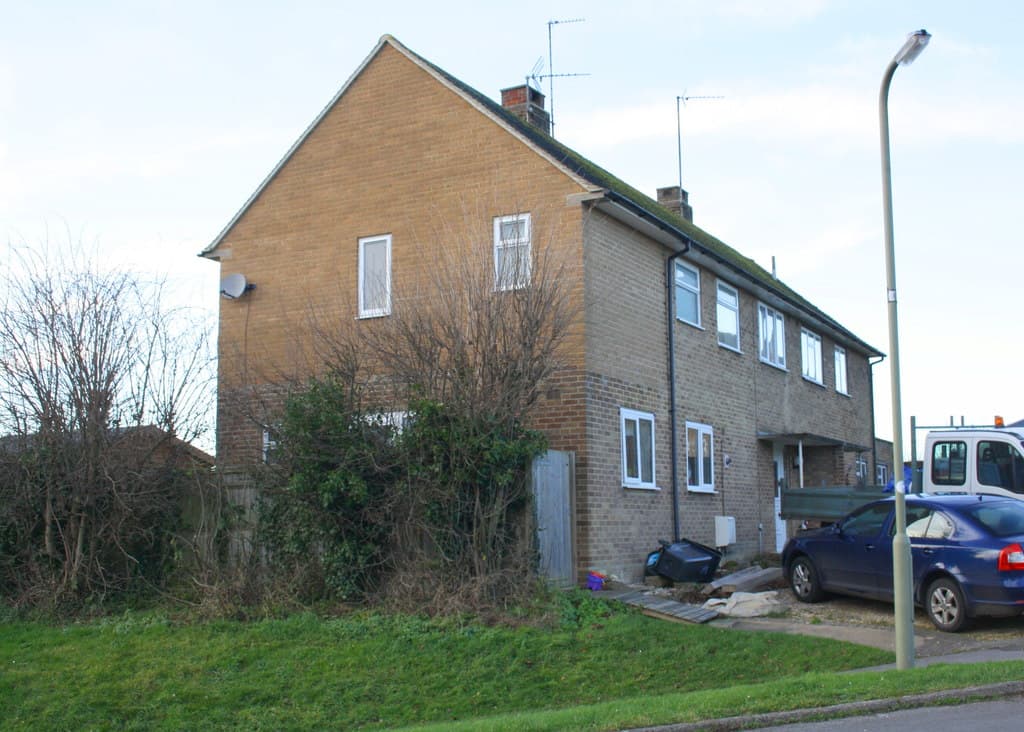
A buyer's survey is a report on the condition of a home, written by a surveyor for the person buying it. When a buyer withdraws after reading one, the seller often hears a single sentence through the agent and nothing more. This guide covers what you can ask for, what you are entitled to, and how to protect the next sale.
Why did my buyer pull out after the survey?
Most buyers who withdraw at this stage have read something that changed the numbers for them. It might be a structural concern, damp, an ageing roof, or a long list of repairs that turned a fair price into an expensive one.
- A defect the buyer cannot put a cost on, such as cracking where the surveyor recommends a further specialist report.
- A repair bill larger than the savings the buyer has left after the deposit, stamp duty and moving costs.
- A mortgage lender reacting to the same findings by lowering its valuation or holding back part of the loan.
- Nerves. Some buyers were already wavering, and the survey gave them a reason to stop.
Am I entitled to see my buyer's survey?
No. The buyer commissioned and paid for the report, so it is theirs. RICS guidance states that a seller has no right to see a copy unless the buyer chooses to disclose it, and that the surveyor must not discuss its contents with the seller without the buyer's knowledge and consent.
Surveyors also limit their legal responsibility to the client who instructed them. Even if you are given a copy, you cannot rely on it legally, and neither can a future buyer, unless the surveyor agrees.
What you can and cannot get after a buyer withdraws (sources: RICS; Rightsurvey)
| What you might want | Are you entitled to it? | How to get it |
|---|---|---|
| A copy of the full survey report | No | Ask the buyer through your agent; they may say yes |
| The surveyor explaining the findings to you | No, not without the buyer's consent | The buyer can give consent, or you instruct your own surveyor |
| A written list of the issues behind the withdrawal | No, but buyers often give one | Ask your agent to request it in writing |
| The right to rely legally on the buyer's report | No, liability is limited to the surveyor's client | A new buyer can ask the surveyor about having it reissued |
| Your own independent report on the same issue | Yes | Instruct a surveyor or specialist yourself |
How do I ask for the survey without making things worse?
1. Ask through your agent, in writing
Your agent has the relationship with the buyer and can make the request calmly. A short written request for either the report or the specific issues is more likely to get a yes than a phone call.
2. Make agreeing painless
Offer to keep the report private and explain that you only want it so any problem can be dealt with properly. A buyer who has already moved on often has no reason to refuse.
3. Offer a contribution if it helps
Some buyers feel they paid for something that is now wasted. Offering to cover part of their survey fee, agreed through your agent, can turn a no into a yes.
4. Accept a summary if the full report is refused
The two or three findings that drove the decision are what you need. A written list of those is enough to start with.
5. Do not contact the buyer or their surveyor directly
Going around the agent feels faster but rarely helps. The surveyor cannot speak to you without the buyer's consent, and a buyer who feels chased is less likely to share.
What should I do once I know what the survey found?
- Get the issue checked by the right specialist. A general surveyor may flag possible damp or movement; a damp specialist or structural engineer tells you whether it is real and what it involves.
- Get a written quote for any repair, so the problem becomes a number rather than a worry.
- Choose a route: fix it before relisting, reduce the price to reflect it, or disclose it with the quote so the next buyer decides with full information.
- Tell your agent and your solicitor what you now know, and answer the seller's property questions honestly with that knowledge.
- Consider your own condition report before relisting. RICS suggests sellers can commission one before marketing so issues are dealt with upfront.
What is normal after a survey, and what is a red flag?
Reading what happens after a buyer's survey
| What happened | Normal or a red flag? | What it usually means |
|---|---|---|
| Buyer asks for money off after the survey | Normal | The survey found work they want priced in; negotiate on quotes, not fear |
| Buyer asks for a specialist inspection | Normal | The surveyor was cautious; a specialist often narrows the problem |
| Buyer pulls out and shares the report | Normal | A setback, and a useful one: you now know what the next buyer will see |
| Buyer pulls out and gives no reason at all | Worth a closer look | The survey may be the cause, or it gave a doubting buyer a way out |
| Two buyers in a row pull out after surveys | Red flag | There is likely a real issue to investigate before you relist |
Can the next buyer use the old survey?
Sometimes. A survey written for one buyer cannot be relied on by another without the surveyor's permission, but a new buyer can ask the original surveyor whether the report can be reissued for them. That needs the surveyor to agree, so treat it as a possibility rather than a plan.
The wider shift is towards condition information at the start of a sale. On 15 September 2026, Landmark Information Group launched a service giving estate agents RICS-standard condition reports before a sale is agreed, so defects can surface before a buyer commits rather than after.
How do I keep control of the next sale?
- Move in step with the next buyer. Real commitment is a solicitor instructed, a survey booked and a mortgage application submitted; kind words are not commitment.
- Hold back your larger spends, and the decision to come fully off the market, until the buyer has put their own money into the sale.
- Price with the survey findings in mind. A home priced for its real condition invites fewer renegotiations later.
- If your original valuation came from one agent, get more before relisting. A problem found at survey is the right moment to test the price against several opinions.
A survey that ended one sale is still information, and information is what makes the next sale steadier.
Buyers are still there for homes priced and prepared properly. Sprift figures published on 15 September 2026 show its sales conversion rate rose to 57.3% in August, a six-month high, while homes spent an average of 159 days on the market.
Common questions after a buyer pulls out over a survey
Can the surveyor tell me what they found?
Not without the buyer's knowledge and consent. RICS guidance says discussing a report with the seller without that consent could breach the surveyor's duties to their client and the RICS Rules of Conduct.
Do I have to fix what the buyer's survey found?
No. You can fix it, reduce the price, or sell as it is with the issue disclosed. What matters is that you answer the property questions honestly with what you now know, and that your price reflects the home's real condition.
Can I get my costs back from a buyer who pulled out?
Usually not. In England and Wales either side can withdraw before exchange of contracts without penalty, unless a signed reservation agreement says otherwise.
Should I get my own survey before I relist?
It helps when the issue is real or unclear. Your own report gives you something to price against and shows the next buyer you have nothing to hide. RICS suggests sellers can commission a condition report before marketing for this reason.
ValuQ gives UK homeowners free, side-by-side property valuations from competing local estate agents. After a survey knocks a sale over, it lets you see what several local agents think your home is worth in its real condition, on one screen, before you choose who relists it.
Sources
- [1]RICS Find a Surveyor, Disagreeing with a prospective buyer's survey · 2026 · https://www.ricsfirms.com/glossary/disagreeing-with-a-prospective-buyer-s-survey/
- [2]Rightsurvey, What happens to my survey if the property purchase falls through? · 2026-09-15 (accessed) · https://www.rightsurvey.co.uk/faq/basics/what-happens-to-my-survey-if-the-property-purchase-falls-through/
- [3]Property Industry Eye, Could upfront surveys in sales packs finally speed up property transactions? (Landmark Information Group; TwentyCi fall-through data) · 2026-09-15 · https://propertyindustryeye.com/could-upfront-surveys-in-sales-packs-finally-speed-up-property-transactions/
- [4]Property Industry Eye, Property sales conversion hits six-month high as new listings plunge (Sprift Sales Market Intelligence Report) · 2026-09-15 · https://propertyindustryeye.com/property-sales-conversion-hits-six-month-high-as-new-listings-plunge/
Terms in this article
Plain-English definitions from the ValuQ property glossary.
Reservation agreement
A reservation agreement is a paid commitment holding a property for a buyer for a set period, with the fee lost if they simply walk away.
Exchange of contracts
Exchange of contracts is the moment a sale becomes legally binding, when the two signed contracts are formally swapped and the deposit is paid.
RICS Home Survey Level 1
A Level 1 survey is the most basic RICS inspection, reporting visible condition by traffic light with no advice or valuation.
Stamp duty land tax (SDLT)
Stamp duty land tax is the tax buyers pay on property purchases in England and Northern Ireland, charged in slices at rising rates.
Relisting
Relisting is putting a withdrawn or fallen-through property back on the market, sometimes with a new agent, price or photographs.
Defect
A defect is any fault in a property's condition, from a slipped tile to structural movement.
RICS
RICS is the Royal Institution of Chartered Surveyors, the professional body that sets the standards UK surveyors and valuers work to.
Read next
Related insights
My cash buyer is messaging me directly. Should I reply?
Offers over or guide price: what should I list my house at?
Buyer wants to exchange and complete same day. Should I agree?
My estate agent asked for my lowest price. Should I tell them?
See every local agent on one screen.
Free for homeowners. Always. No cold calls. No data sales. No starting-line advantage for the fastest dialler in town.
Get your free anonymous valuationSellers and buyers never pay.