My neighbour sold for more. Is my house worth the same?
Published 23 June 2026 · 5 min read · By Evren Ergin
Not necessarily, and a neighbour's sale is one of the most misread numbers in property. Two homes on the same street can sell for very different amounts, because price comes down to condition, size, layout and timing, not just the postcode you share.
TL;DR
- •A single neighbour's sold price is one data point, not a valuation of your home.
- •Homes on the same street routinely differ by tens of thousands once condition, extensions and plot are counted.
- •The reliable way to value your home is several recent sold prices plus more than one agent's opinion.
- •Compare local agents side by side before you trust any single figure.
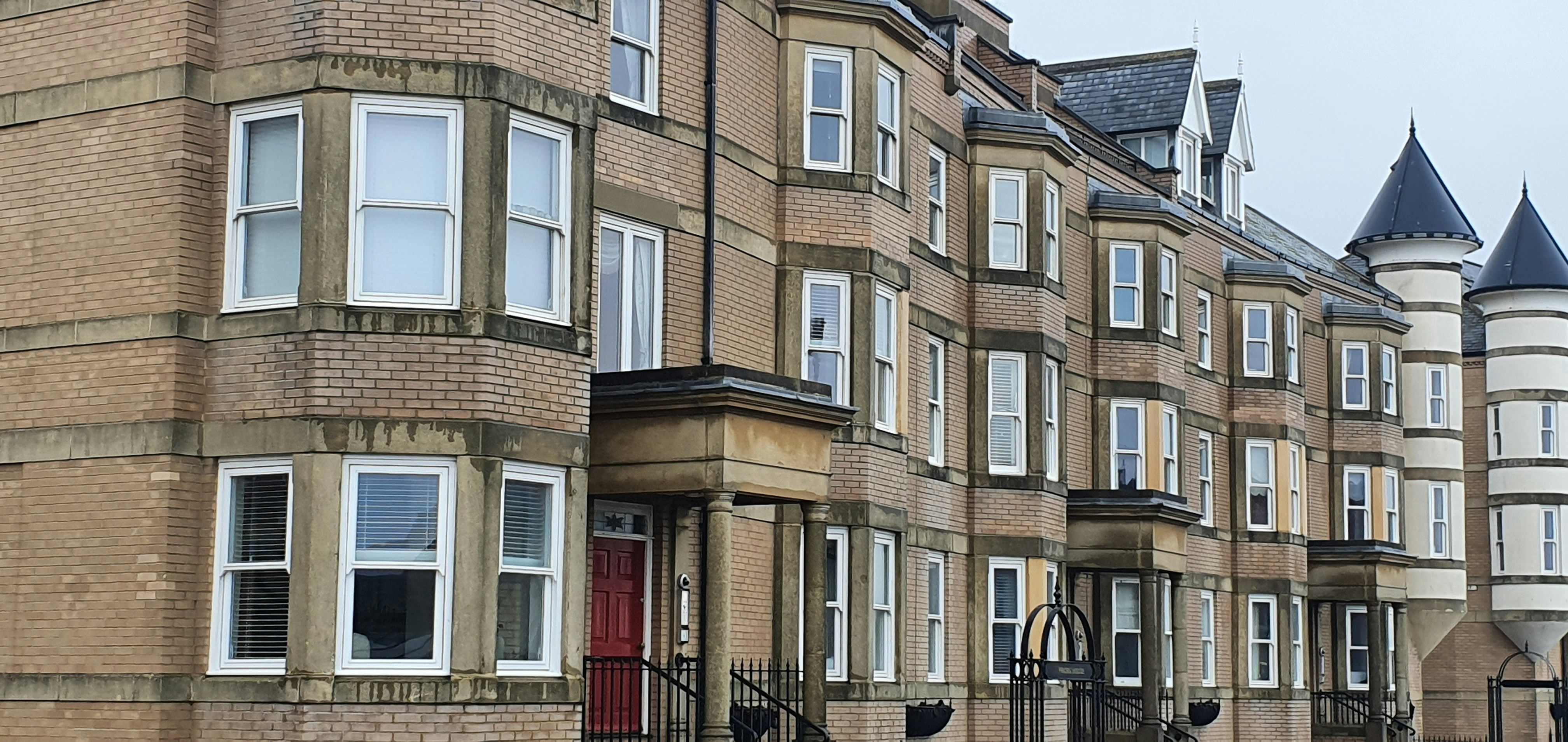
Why can two homes on the same street sell for such different prices?
Because similar on paper rarely means identical in person. A refurbished kitchen, a loft conversion, a bigger garden, off-street parking, or simply being the end-of-terrace rather than the mid-terrace can move the price by a wide margin. The month it sold matters too. A sale agreed last autumn reflects a different market from one agreed today.
ValuQ's own analysis of sold prices has found homes that look identical on paper selling thousands of pounds apart. The headline figure your neighbour got tells you the street is desirable. It does not tell you what a buyer will pay for your specific home in this month's market.
What does a neighbour's sale actually tell me?
- That buyers are active on your street, which is genuinely good news.
- A rough ceiling and floor for the area, once you adjust for the differences between the homes.
- What kind of buyer the street attracts, whether first-timers, families or downsizers.
- It does not tell you your home's exact value, the condition theirs sold in, or what was negotiated off the asking price.
Why two similar homes sell for different amounts (sources: HM Land Registry sold price data; ValuQ analysis, 2026)
| Factor | Why it moves the price |
|---|---|
| Condition and updates | A modernised home can command a clear premium over a dated one of the same size. |
| Floor area and layout | Square footage and a workable layout often matter more than the number of bedrooms. |
| Extensions and plot | A loft conversion, a rear extension or a larger garden adds space buyers pay for. |
| Position on the street | End-of-terrace homes, corner plots and quieter ends can sell for more than mid-row homes. |
| Timing of the sale | A price agreed months ago reflects a different market from today's. |
| Negotiation | The advertised price is rarely the final figure. A sold price already includes any discount agreed. |
How do I find out what my home is really worth?
1. Pull the real sold prices, not asking prices
Look up what has actually completed near you on the HM Land Registry record or a sold-price tracker. Sold prices are the real benchmark. Asking prices are hopes.
2. Find true like-for-like
Match on size, type, condition and date sold, not just street. Three or four genuine comparables beat one eye-catching headline.
3. Adjust honestly for the differences
Add for what your home has that theirs did not, and subtract for what it lacks. Be as honest as a buyer will be when they view.
4. Get more than one agent's valuation
Ask several local agents what they would list at and why. One high number is a sales pitch. A pattern across several is a signal.
5. Compare those opinions side by side
Line the valuations up against each other and against the sold data before you commit to any agent or any asking price.
How do I stay in control while I work it out?
Treat every single figure, your neighbour's included, as one input rather than the answer. The seller who looks at several sold prices and several agent opinions prices with confidence, and is far harder to talk up or down later.
ValuQ is a UK platform that gives homeowners free, side-by-side property valuations from competing local estate agents, so you can see what more than one professional thinks your home is worth on one screen, then decide. Comparing before you commit is how you turn a neighbour's headline price into a sensible figure for your own home.
Is the price on the property portals what my neighbour's house sold for?
No. Portals show the asking price while the home is listed. The actual sold price appears on the HM Land Registry record a few weeks to a few months after completion, and it is usually different from the asking price.
Should I price my home at my neighbour's sold price?
Only after adjusting for the real differences and checking it against several recent sales. Copying one figure can leave you over or under priced, and both cost you.
Sources
- [1]ONS / HM Land Registry — UK House Price Index, April 2026 · 2026-06-18 · https://landregistry.data.gov.uk/app/ukhpi/
- [2]Rightmove — House Price Index, June 2026 · 2026-06-16 · https://www.rightmove.co.uk/news/house-price-index/
- [3]Zoopla — House Price Index, June 2026 · 2026-06-01 · https://www.zoopla.co.uk/discover/property-news/whats-happening-with-house-prices-in-the-uk/
Read next
Related insights
Nearly a quarter of homes sold since 1995 lost money in real terms
Identical-on-paper homes sold £63,000 apart: the limit of every online valuation
My sale fell through. What do I do now?
What happens on completion day when selling a house?
See every local agent on one screen.
Free for homeowners. Always. No cold calls. No data sales. No starting-line advantage for the fastest dialler in town.
Get your free anonymous valuationSellers and buyers never pay.