My sale fell through. What do I do now?
Published 23 June 2026 · 5 min read · By Evren Ergin
A sale falling through is one of the most common setbacks in selling, and it is rarely the end of the road. Around a quarter of agreed UK sales collapsed in early 2026, so you are on a well-worn path, and a lost buyer does not change what your home is worth; it changes who ends up buying it.
TL;DR
- •Around 24% of agreed UK sales fell through in early 2026, so a collapse is common and not a reflection on your home.
- •The two biggest causes in 2026 were survey problems and buyers changing their mind, not anything most sellers did wrong.
- •You keep your home and its value; what you usually lose is time and any money already spent on legal work or surveys.
- •Acting within days, learning exactly why it failed, and relisting with fresh photos gives you the strongest restart.
Advertisement

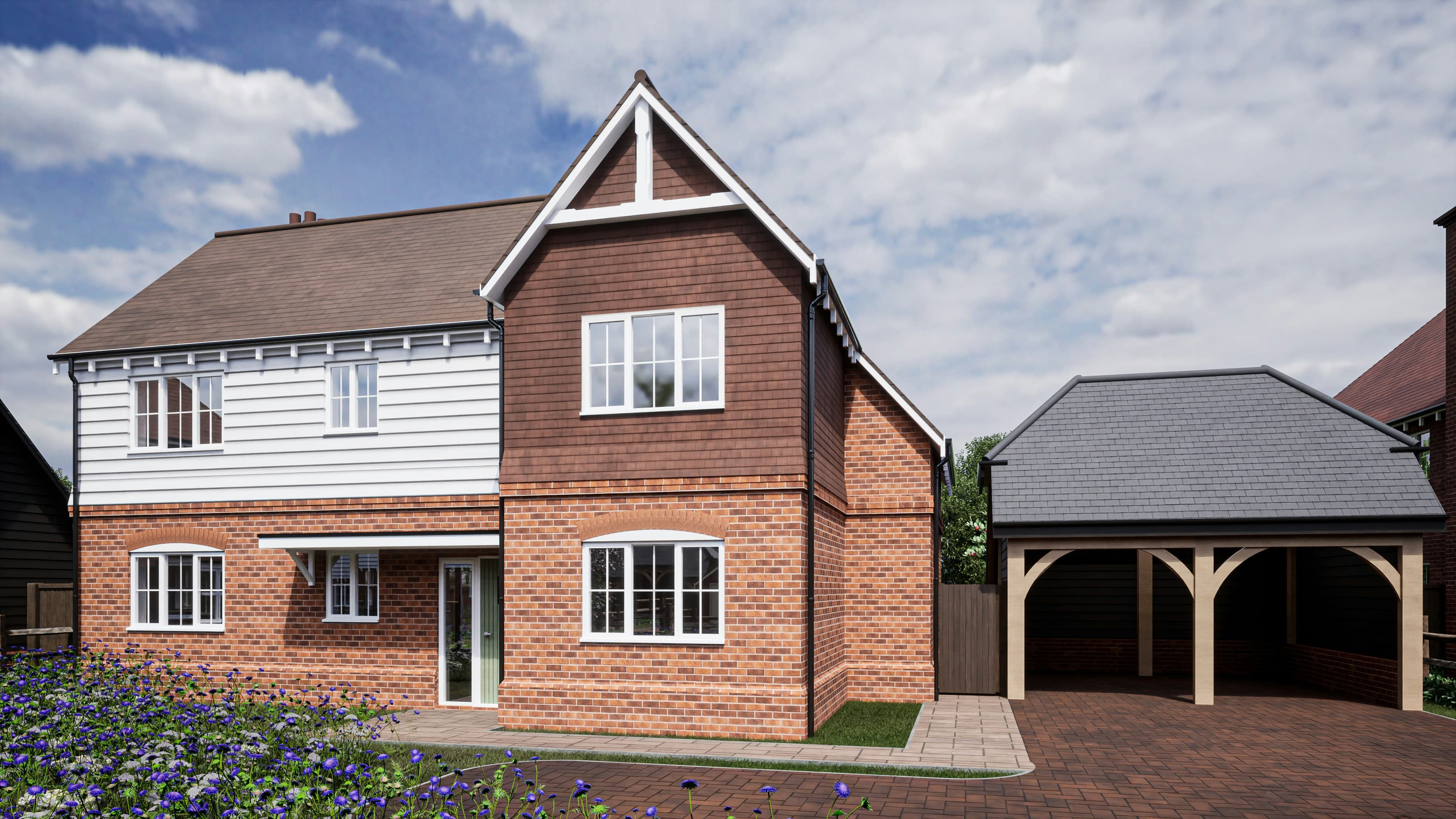
A sale falls through when a buyer or seller pulls out after an offer is accepted but before contracts are exchanged. Until exchange, either side can walk away with no legal penalty in England and Wales, which is exactly why an agreed sale is not a guaranteed one.
Why do so many house sales fall through?
It is far more common than most sellers expect, and the causes are usually outside your control. In early 2026 the national fall-through rate sat at roughly 24% of agreed sales, and the reasons clustered around surveys and cold feet.
Main reasons UK sales fell through, early 2026
| Reason | Share of failed sales |
|---|---|
| Survey or condition problems | 37.5% |
| Buyer changed their mind | 31.25% |
| A break in the chain | 12.5% |
| Mortgage or lending issue | 12.5% |
| Other | Remainder |
What does a failed sale actually cost me?
Less than most people fear. You keep your home and its market value, and on a no-sale-no-fee conveyancing arrangement you often pay little or nothing for the legal work that did not complete. The real costs are time, any survey or pack you paid for up front, and the knock-on to an onward purchase if you were buying as well.
- Your home and its value stay exactly where they were.
- Conveyancing on a no-sale-no-fee basis usually costs little when a sale collapses.
- You may lose money on a leasehold management pack or any survey you paid for.
- The biggest hit is lost weeks, plus pressure on any home you were buying.
What should I do first after a sale falls through?
1. Find out the real reason
Ask your agent for the honest explanation, not the polite one. Whether it was a survey gap, finance, or a change of heart decides every move that follows.
2. Protect your onward purchase
If you were buying as well, tell your solicitor and the seller above you straight away so you do not lose that property while you find a new buyer.
3. Decide whether to save the original deal
If it failed on something fixable, such as a survey figure, a renegotiated price or a small repair can sometimes revive the sale faster than starting again.
4. Get back on the market quickly
Relist with fresh photos and a refreshed description so the listing reads as new rather than as a returning property.
5. Re-test your asking price
Check recent sold prices and current evidence before you relist, so the price reflects today's market rather than the one when you first listed.
6. Line up more than one agent
Compare local agents again so the strongest one relists you, rather than defaulting back to the same approach that just stalled.
Should I drop my price after a sale falls through?
Not automatically. If the sale failed on a survey or the buyer's finances, your price may be exactly right and a cut would only cost you money. If the home sat unsold for months before that offer arrived, that is a stronger signal to re-test the price against current evidence.
How do I stop it happening again?
- Read a buyer's commitment by what they have spent, not what they say: a solicitor instructed and paid, searches ordered, a mortgage application submitted and a survey booked are real signals.
- Keep momentum by instructing your own solicitor early, which is cheap and stops the deal drifting.
- Hold the larger, irreversible moves until your buyer has put their own money down.
- Ask your agent for a short progress update every week so a stall is caught early, not after a month of silence.
Can I keep the buyer's deposit if they pull out?
Usually not before exchange of contracts, when any small reservation fee is normally all that is at stake. After exchange the buyer's deposit, often 10% of the price, is at risk if they walk away. Exchange is the point at which the sale becomes legally binding.
How soon can I relist my home?
Straight away. There is no waiting period in the UK, and fresh photos plus an updated description help the relisting attract new interest rather than look like a returning property.
Will buyers see that my home was previously sold subject to contract?
Possibly. Portals can show price and listing history, so being upfront about why the previous sale fell through, especially if it was nothing to do with the home, keeps trust with serious buyers.
A collapsed sale feels personal, but it is one of the most ordinary events in the market. Your home is worth what it was yesterday. The job now is simply to find the buyer who completes.
ValuQ is a platform that gives UK homeowners free, side-by-side property valuations from competing local estate agents, so when you relist you can compare local agents and asking prices on one screen before committing to anyone.
Sources
- [1]ABC Money — UK Housing Market Under Strain as 24% of Property Sales Fall Through in Early 2026 · 2026-05-15 · https://www.abcmoney.co.uk/2026/05/uk-housing-market-under-strain-as-24-of-property-sales-fall-through-in-early-2026
- [2]Business Cheshire — New Data Reveals the Hidden Crisis Behind UK Property Market Fall-Throughs in 2026 · 2026-04-24 · https://www.businesscheshire.co.uk/2026/04/24/new-data-reveals-the-hidden-crisis-behind-uk-property-market-fall-throughs-in-2026
- [3]HomeOwners Alliance — How long does conveyancing take? · 2026-01-15 · https://hoa.org.uk/advice/guides-for-homeowners/i-am-buying/how-long-does-conveyancing-take/
Terms in this article
Plain-English definitions from the ValuQ property glossary.
Exchange of contracts
Exchange of contracts is the moment a sale becomes legally binding, when the two signed contracts are formally swapped and the deposit is paid.
Subject to contract
Subject to contract means an agreement is not legally binding until formal contracts are exchanged.
Onward purchase
An onward purchase is the home a seller is buying with the proceeds of their sale, linking the two transactions.
LPE1 management pack
The LPE1 is the standard information pack about a leasehold property's charges, works, disputes and insurance, completed by the freeholder or managing agent for a sale.
Fall-through
A fall-through is an agreed sale collapsing before exchange of contracts, with neither side owing the other anything.
Relisting
Relisting is putting a withdrawn or fallen-through property back on the market, sometimes with a new agent, price or photographs.
Read next
Related insights
An agent valued my house lower than I expected. Who is right?
My neighbour's house just went up for sale. Should I sell too?
How much value does a garden add to my house?
Does a good school nearby add value to my house?
Back on the market?
ValuQ gives UK homeowners free, side-by-side property valuations from competing local estate agents. Anonymous until you choose. No cold calls.
Get your free anonymous valuationSellers and buyers never pay.