Why don't UK houses sell? The 2026 overpricing problem
Published 13 May 2026 · Reviewed 8 September 2026 · 9 min read · By Evren Ergin
Around 44% of UK homes listed for sale in the past three years did not end up selling, and the single biggest cause is an asking price set too high at the start. That has become a costlier mistake through 2026: buyers now have the widest choice of homes in over a decade, and the average UK house price is lower than it was a year ago.
TL;DR
- •Zoopla's May 2026 seller research found roughly 44% of homes listed in the past three years failed to find a buyer.
- •For every 5% a home is priced above the local market level, the chance of selling falls by around 5%; at 10% over, the drop is around 10%.
- •Asking prices fell 2.0% in August 2026 to £364,999, the largest August drop since 2018, as sellers priced into a twelve-year high in the number of homes for sale.
- •Lloyds put the average UK house price at £298,468 on 7 September 2026, the first annual fall since November 2023, so a price anchored to last year is now above the market.
Advertisement

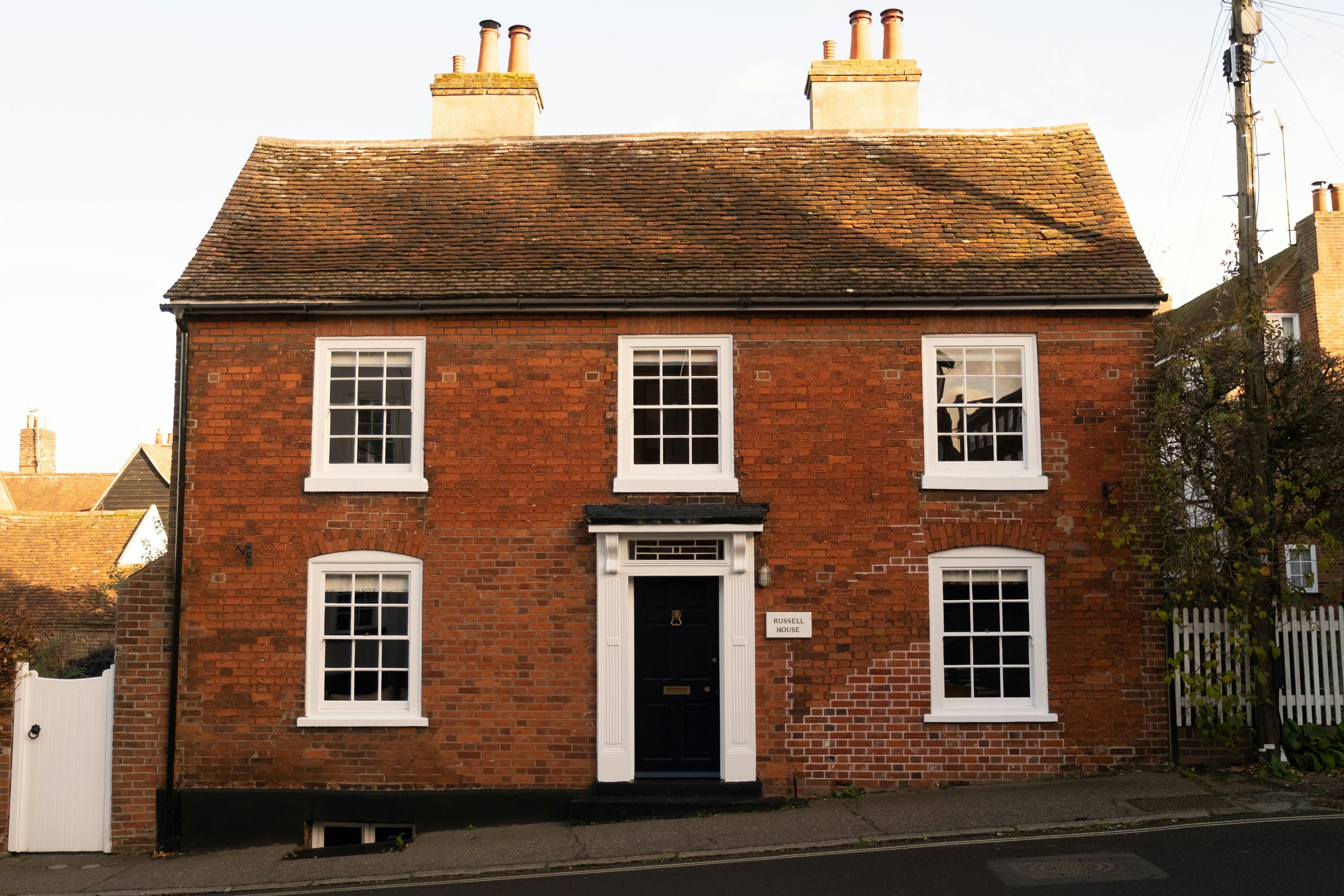
Nearly half of UK homes listed for sale never reach a sale. That is the headline finding of Zoopla seller research published on 13 May 2026, covering listings from the past three years.
The pattern is consistent and the cause is not mysterious. The asking price was set above what the local market would pay.
How many UK homes fail to sell?
The headline number is 44%. Across listings in the past three years, 44 in every 100 homes put on the market did not change hands. The remaining 56% sold, but most of those did so after a price reduction during the listing period.
In a market where the average property took 62 days to find a buyer in July 2026 (Rightmove House Price Index, 20 July 2026), the first two or three weeks of attention are the most valuable. If the price is wrong at the start, much of that early attention is wasted. The asking price is the headline figure a property is listed at; the sale price is what a buyer actually pays.
Why doesn't an overvalued home sell?
Buyers comparison-shop. A property listed at £400,000 in a postcode where comparable homes are selling at £370,000 to £380,000 is filtered out of most buyer searches before anyone even clicks.
Of the buyers who do click, most read the asking price against the comparables shown on the same page (Zoopla, Rightmove and OnTheMarket all surface 'similar properties' next to each listing). If the figure is visibly above the local pattern, the home gets passed over.
Listings that do not sell in the first three or four weeks lose attention, and buyers who saw the home on day one rarely come back to check it again. That effect is stronger in autumn 2026 than it was in spring, because the number of homes for sale in August was at a twelve-year high for the time of year and buying activity was running 10% below a year earlier.
How much does overpricing actually cost a seller?
The relationship between asking price and sale probability is roughly linear in the lower bands. Zoopla's May 2026 research found that for every 5% a home is priced above the local market level for comparable properties, the probability of selling falls by around 5%. At 10% above market value, the likelihood of a sale falls by around 10%.
How asking price above market value affects sale probability (Zoopla, 13 May 2026)
| Asking price above local market | Approx. chance of selling vs market-priced | What this looks like for the seller |
|---|---|---|
| At or slightly below market | Highest | Multiple viewings in week one; offers within the first month |
| +5% above market | About 5% lower | Slower viewing flow; one or two close-but-not-final offers |
| +10% above market | About 10% lower | Few viewings; a price reduction is usually required |
| +15% or more above market | Materially lower | Listing stalls; buyers wait for the inevitable cut |
Why do estate agents set asking prices too high?
Most agents value to win the listing, not to win the sale. When three agents visit a home and one quotes £40,000 above the other two, the higher number tends to win the seller's signature, even when the seller half-suspects the figure is optimistic.
The seller is human. A bigger number sounds like a better outcome.
The pattern is structural, not personal. Many high-street agencies use commission-based incentive structures that reward winning the instruction.
The competitive dynamic at the kitchen-table valuation rewards aggression. The seller pays the cost months later when the home stalls and reductions begin.
Of the homes that did sell, 53% had to reduce the asking price during the campaign. That isn't a footnote. It is the structural cost of starting too high.
Where is overpricing biting hardest in 2026?
Rightmove's August 2026 index shows the split has widened. Asking prices across the north of England were 1.5% higher than a year earlier, while the south of England was 1.8% lower and London was down 3.1%, with the capital carrying its widest choice of homes for sale since 2010. A seller in a softer southern market who prices to a 2022 memory is now the most exposed of all.
How much harder is it to sell in autumn 2026?
Harder than at any point this year, and the sellers coming to market have noticed. Rightmove recorded a 2.0% fall in average asking prices in August 2026, to £364,999, the largest August drop since 2018 and well beyond the ten-year August average of 1.3%.
That is not panic. It is sellers pricing into a crowded field from day one, which is exactly the behaviour this article argues for.
The pricing backdrop, August and September 2026
| Measure | Figure | Date |
|---|---|---|
| Average asking price, new listings | £364,999, down 2.0% on the month and 1.0% on the year | Rightmove, 17 August 2026 |
| Largest August asking-price drop since | 2018, against a ten-year August average fall of 1.3% | Rightmove, 17 August 2026 |
| Homes for sale | A twelve-year high for the time of year | Rightmove, 17 August 2026 |
| Buying activity versus a year earlier | 10% lower, though demand rose 5% from 20 July | Rightmove, 17 August 2026 |
| Average time to find a buyer | 62 days, plus 154 days from agreed sale to completion | Rightmove, 20 July 2026 |
| Average UK house price | £298,468, the first annual fall since November 2023 | Lloyds, 7 September 2026 |
| Rightmove forecast for 2026 prices | Downgraded to between 0% and minus 2% | Rightmove, 17 August 2026 |
On 7 September 2026 Lloyds reported the average UK house price at £298,468, down 0.2% over the month and below where it stood a year earlier for the first time since November 2023. A seller who prices to last year's number is now pricing above the market by definition.
What should a seller do to set the right price?
1. Ask three agents and ask each for evidence
Compare what three local agents say the home is worth, and ask each one for the recent sold prices that back up the figure. Comparable sold prices are the honest anchor; aspirational numbers without sold-price evidence are guesses.
2. Anchor to sold prices, not other asking prices
Land Registry sold-price data is free and shows what comparable homes actually achieved. Asking prices on other listings show what other sellers hope for, which is a different number entirely.
3. Stress-test the top valuation
If one valuation is materially above the others, ask the agent to walk through the evidence. If the answer is 'the market is moving,' get the specifics. If specifics aren't there, the number is a pitch and not a valuation.
4. Decide on a price band, not a single figure
Set a guide price and a minimum acceptable. Knowing the floor before viewings start removes the panic from later offers.
5. Plan the first-month signal
If the listing has minimal viewings in the first two weeks, the price is the lever. Sitting on a 'might come back' position for three months almost always ends in a bigger reduction than starting closer to fair value.
How does ValuQ help sellers avoid this?
ValuQ is a UK platform that gives homeowners side-by-side valuations from competing local estate agents, free, without revealing the seller's identity until they choose.
Sellers see every response on one screen before speaking to any agent. That changes the dynamic: agents compete on the strength of their valuation evidence and fee, not on who shouts loudest at the kitchen table. The pattern of overvaluing to win the listing depends on the seller having to pick on the spot. Remove that pressure and the pattern softens.
Frequently asked questions
How long do UK homes take to sell in 2026?
The average was 62 days from listing to sale agreed in July 2026 (Rightmove House Price Index, 20 July 2026), with a further 154 days from agreed sale to completion. That is the average; homes priced well sell faster, and overvalued listings sit much longer or never complete.
What is 'sale agreed' versus 'sold'?
Sale agreed means the seller has accepted an offer and the property is under offer. Sold means contracts have exchanged and completion has happened, which typically takes a further 12 to 16 weeks after sale agreed.
Is it worth pricing slightly above market to leave 'negotiation room'?
A small premium of 2 to 3% is normal; buyers expect to negotiate. Anything above 5% is statistically counterproductive. Zoopla's May 2026 data shows the chance of selling falls roughly in line with the percentage above the local market level.
If my agent overvalued, can I reduce the asking price quickly?
Yes. Most agency contracts allow a price change at any time with the seller's written instruction. The cleanest reductions happen at week three or four, before the listing goes stale. Waiting longer usually means a bigger cut later.
Does ValuQ charge homeowners?
No. ValuQ is free, always, for sellers and buyers. There are no fees and no data sales.
Selling a home is the largest single financial decision most people make, and the asking price is the lever that decides how it plays out. In a year when the average UK house price has fallen against the previous year for the first time since 2023, and buyers have the widest choice in over a decade, that lever matters more than it did. Set it on evidence, not optimism.
Sources
- [1]Property Industry Eye, Overpricing leaves nearly half of listed homes unsold (citing Zoopla seller research) · 2026-05-13 · https://propertyindustryeye.com/overpricing-leaves-nearly-half-of-listed-homes-unsold/
- [2]Rightmove House Price Index, July 2026 · 2026-07-20 · https://www.rightmove.co.uk/news/content/uploads/2026/07/Rightmove-HPI-20-July-2026.pdf
- [3]Rightmove House Price Index, August 2026 · 2026-08-17 · https://www.rightmove.co.uk/news/content/uploads/2026/08/Rightmove-HPI-17th-August-2026.pdf
- [4]Lloyds House Price Index, August 2026 release · 2026-09-07 · https://www.lloydsbank.com/media-centre/house-price-index.html
Terms in this article
Plain-English definitions from the ValuQ property glossary.
Price reduction
A price reduction is lowering the asking price of a home already on the market to restart buyer interest.
Guide price
A guide price is an indicative figure a property is expected to sell around, used where the final price is genuinely uncertain.
Under offer
Under offer means the seller has accepted an offer but the sale is not yet legally binding.
Sale agreed
Sale agreed means an offer has been accepted and the property is coming off active marketing while lawyers take over.
Read next
Related insights
Can I switch estate agent while my house is on the market?
Can my estate agent use AI to edit photos of my house?
A buyer wants to film my house at the viewing. Should I let them?
How do I know if my estate agent is doing enough?
What is your home worth today?
ValuQ gives UK homeowners free, side-by-side property valuations from competing local estate agents. Anonymous until you choose. No cold calls.
Get your free anonymous valuationSellers and buyers never pay.